Samsung may not have as much freedom with the Galaxy S26 family as it would like. A growing wave of leaks suggests that the Galaxy S26 Ultra will ship exclusively with Qualcomm’s Snapdragon 8 Elite Gen 5 in every market, while the rest of the S26 lineup mixes Snapdragon with Samsung’s own Exynos 2600. 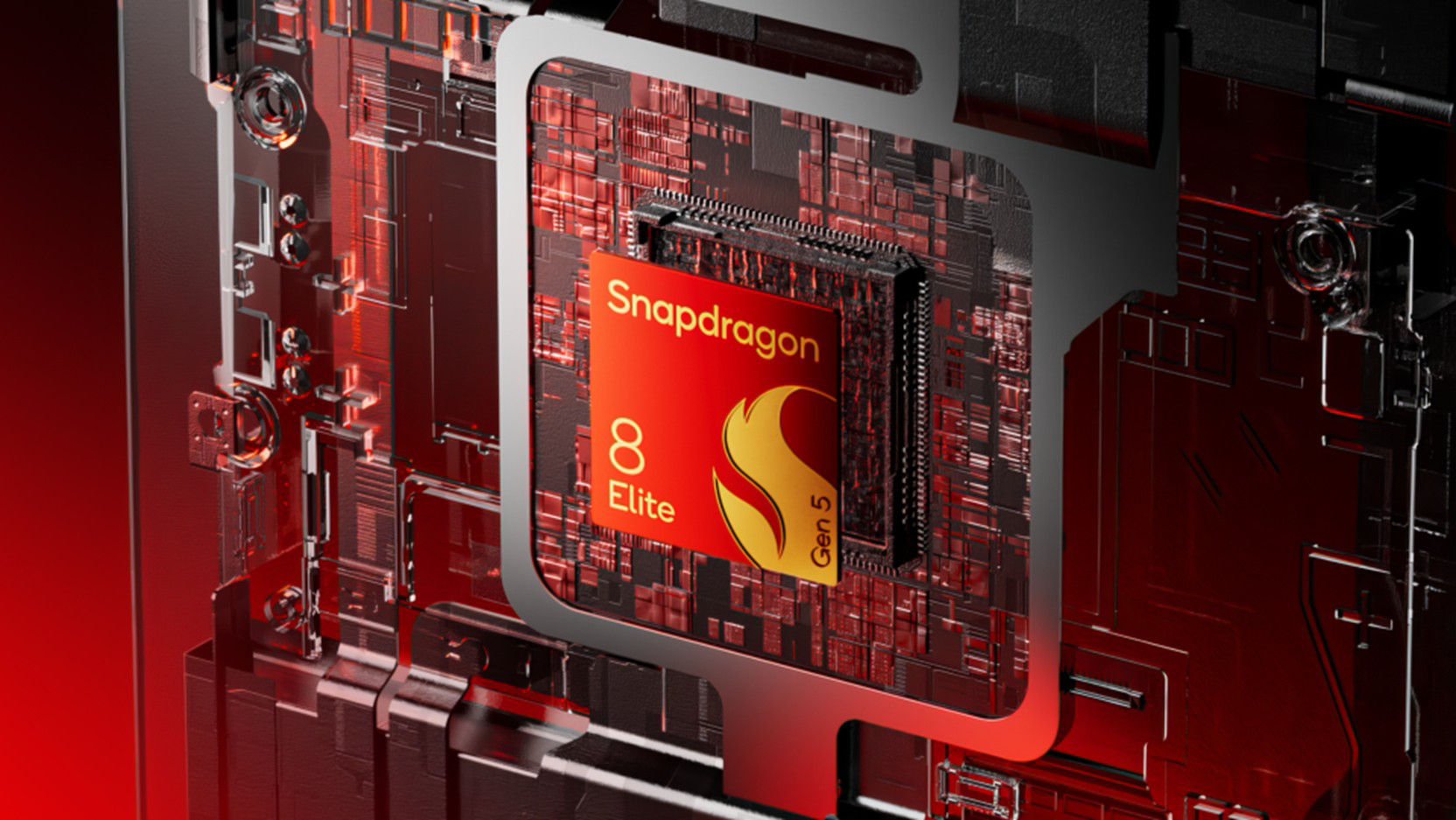
On paper, that sounds like a familiar split. In reality, it may be less about strategy and more about contracts, penalties, and a very expensive relationship with Qualcomm.
For years, Samsung fans have argued that all Galaxy flagships should use the same Qualcomm chip worldwide, especially the top Ultra model. Many buyers still associate Exynos with weaker performance, hotter thermals, and worse battery life compared to Snapdragon variants. Even if those differences have narrowed, the perception is strong: if you are paying Ultra money, you want the best silicon available – and for most enthusiasts, that means Qualcomm.
How we rate this rumor
The claim that the Galaxy S26 Ultra will use the Snapdragon 8 Elite Gen 5 globally is still a rumor, not a confirmed roadmap. Using a simple rumor scorecard, it sits in the middle of the spectrum: not guaranteed, but far from wild speculation.
- 0–20%: Unlikely – noise with no credible sourcing
- 21–40%: Questionable – some hints, but major doubts
- 41–60%: Plausible – reasonable evidence, still not locked in
- 61–80%: Probable – strong signals and consistent leaks
- 81–100%: Highly likely – multiple reliable sources and timing that fits
Based on what is currently circulating, this story lands around 60% – Plausible. The sourcing is thin (roughly 1/5 for origin and 1/5 for corroboration), but the technical and timing aspects look solid (5/5 for both). Qualcomm’s roadmap, Samsung’s recent history, and the economics of cutting-edge chips all line up with this kind of arrangement.
Why Qualcomm is so hard to escape
If Samsung truly had a blank slate, it would love to lean harder on its in-house Exynos platform. Designing your own SoC is supposed to be the path to tighter integration, better margins, and long-term independence. Instead, Samsung has repeatedly ended up in a position where Qualcomm looks safer, faster, and more reliable – especially for the Ultra series, which cannot afford missteps.
In 2023, Samsung’s chipset bill reportedly climbed toward the $9 billion mark, and that number has only become more painful. Qualcomm has moved its premium chips to TSMC’s latest manufacturing processes and shifted to its own high-performance CPU cores, both of which drive costs up. The Snapdragon 8 Elite Gen 5 is rumored to cost manufacturers in the ballpark of $280 per unit, depending on volume and exact terms. For a mass-market flagship like the Galaxy S26 Ultra, that is a huge bite out of the bill of materials.
Those economics almost guarantee a price squeeze. If Samsung insists on Snapdragon 8 Elite Gen 5 silicon inside every Galaxy S26 Ultra sold worldwide, it either has to accept lower margins or raise retail prices. Given how expensive Ultra phones already are, the more realistic scenario is that consumers end up paying at least part of that Qualcomm premium.
The contract that keeps Snapdragon in the game
The most interesting part of this rumor is not the chip itself but the alleged penalty clause behind it. A private exchange shared on X suggests that Samsung remains tied to a still-active deal with Qualcomm. If Samsung were to walk away early and attempt a full Exynos pivot for the Galaxy S26 Ultra, it would reportedly trigger a hefty fine.
We do not know the exact size of that penalty, but the logic is straightforward: if the fine is larger than the cost of simply buying more Snapdragon chips, Samsung has every incentive to keep paying Qualcomm rather than pay to leave. In that context, continuing to ship Snapdragon-powered Galaxy S devices looks less like a voluntary choice and more like the least painful outcome.
At the same time, yields and reliability for the Exynos 2600 are rumored to be less than ideal. Low yields drive costs up and make it harder to guarantee consistent performance across millions of devices. When you combine that with a potential contractual penalty, it is easy to see why Samsung might reserve Exynos for non-Ultra variants and keep the crown jewel – the Galaxy S26 Ultra – strictly on Snapdragon.
Exynos 2600: the weak link in the lineup
Even if Samsung has made progress with Exynos, the brand is still wrestling with its reputation. Enthusiast communities have long joked that getting an Exynos-based Galaxy instead of a Snapdragon version feels like paying full price for the “budget” configuration. For power users, anything less than Snapdragon in the Ultra tier is seen as a compromise.
According to the current rumor, roughly 75% of all Galaxy S26 units worldwide would use the Snapdragon 8 Elite Gen 5, with only a fraction of standard and plus models relying on Exynos 2600. That split allows Samsung to claim some level of self-sufficiency while quietly insulating its most demanding customers from any remaining Exynos shortcomings.
It is a classic double-edged sword: Samsung can show investors that Exynos still matters, but if the chip underperforms or yields stay low, it risks higher costs, more variability, and renewed backlash from buyers stuck with the Exynos variants.
Qualcomm’s tough playbook – and the Apple example
Qualcomm has built its business on more than just fast chips. It is also known for hard-nosed licensing and royalty policies that leave partners grumbling even as they keep signing deals. The company charges not only for hardware like 5G modems but also for the use of its extensive patent portfolio, which adds another layer of cost for phone makers.
Apple is a case study. For years it has paid Qualcomm substantial sums for modem hardware and licensing, to the point where Apple has invested heavily in building its own modem – sometimes referred to as a C-series baseband – to eventually reduce its dependence. Even then, Apple has had to extend its modem agreement with Qualcomm until at least March 2027, underlining how hard it is to walk away from Qualcomm’s technology stack overnight.
Samsung is likely in a similar boat on the application processor side. A multi-year agreement for premium Snapdragon chips is entirely plausible, and any serious attempt to exit that agreement early would almost certainly involve large penalties, legal friction, or both.
Why a global Snapdragon S26 Ultra still makes sense
Zooming out, the rumored strategy fits the realities of the smartphone market. The Ultra line is Samsung’s halo product: it sets the tone for the brand, anchors the ecosystem, and commands four-figure price tags. A misstep there would damage Samsung’s reputation far more than any hiccup on a standard Galaxy S model.
Keeping the Galaxy S26 Ultra on Snapdragon 8 Elite Gen 5 everywhere achieves several goals at once. It avoids contract penalties, reduces technical risk, and gives enthusiasts the configuration they already see as the “real” flagship. Yes, it likely forces Samsung to absorb higher component costs and nudge prices upward, but that is easier to explain to consumers than another round of “Why did I get the Exynos version?” complaints.
Until Samsung proves that Exynos can consistently match or beat Snapdragon in performance, efficiency, camera processing, and connectivity, its safest move is to treat Qualcomm as a necessary partner rather than an optional vendor. The Galaxy S26 Ultra rumored to use Snapdragon 8 Elite Gen 5 globally is a perfect snapshot of that uneasy but mutually beneficial relationship: Samsung gets world-class silicon and a smoother launch, while Qualcomm tightens its grip on the Android flagship market.
So for now, consider this a plausible scenario rather than a locked-in fact. But if you are one of those users who refuses to buy another Ultra unless it ships with Snapdragon everywhere, this is one rumor you will be quietly hoping turns out to be true.
1 comment
Qualcomm might be greedy but Exynos never earned my trust either, so I kinda get why Samsung is stuck here