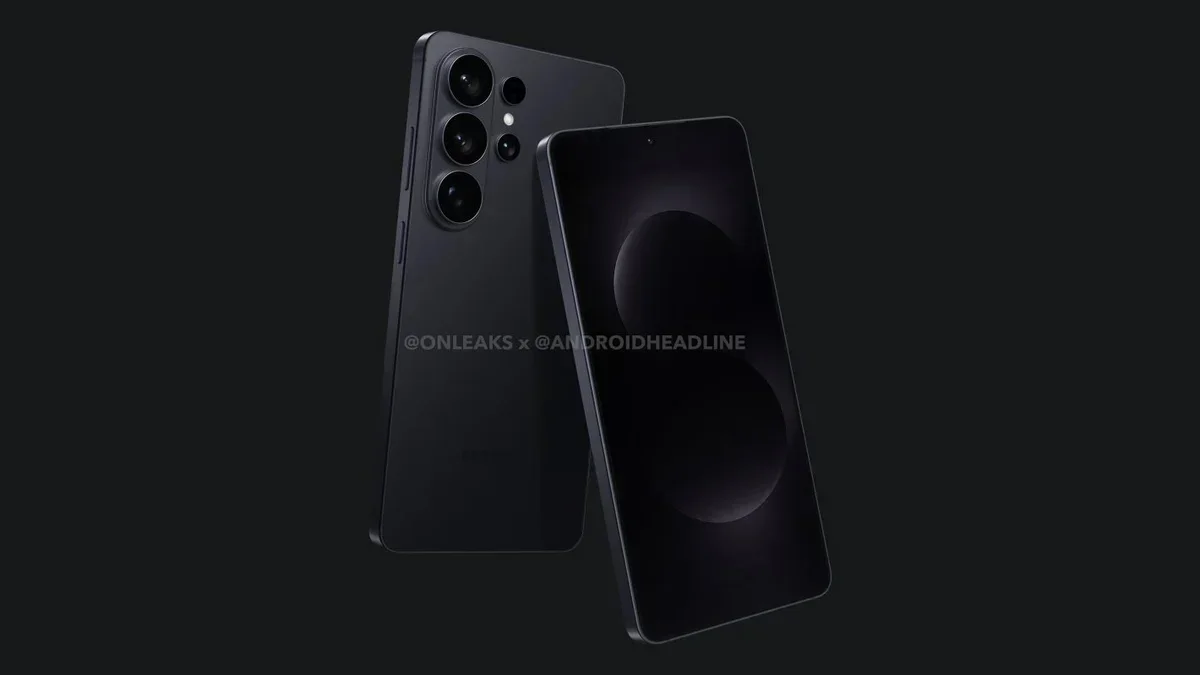
Galaxy S26 Ultra: Samsung’s High-Stakes Gamble After the S25 Edge Collapse
As the tech world turns its attention toward early 2026, all eyes are once again on Samsung and its upcoming flagship – the Galaxy S26 Ultra. Anticipation runs high, but so does anxiety. After the lackluster performance of the Galaxy S25 Edge, many fans and analysts are wondering if the South Korean giant is about to repeat its own mistakes. For Samsung, this could be another ‘Oops, I did it again’ moment, where ambition collides with market reality.
Samsung’s product strategy over the past few years has been a rollercoaster of innovation, risk, and occasional misjudgment. The Galaxy S25 Edge was meant to redefine slim flagship design, but instead, it became a cautionary tale. Despite the fanfare, the ultra-thin build turned out to be a compromise too far – performance issues, heat management challenges, and a price tag that baffled consumers doomed it from the start. The tech world collectively sighed: Samsung had made the phone too thin and the price too thick.
The Galaxy S25 Edge: When Ambition Backfired
Let’s rewind a bit. Before the launch, early teasers and leaks hinted that Samsung was working on its thinnest-ever phone. It was sleek, minimalistic, and visually stunning – until you used it. Critics warned that making a phone that thin could sacrifice battery life, thermal efficiency, and even structural integrity. Those warnings turned prophetic. The Galaxy S25 Edge sold only about 1.3 million units – painfully low compared to the S25, S25 Plus, and S25 Ultra. Even aggressive discounts couldn’t save it from becoming one of Samsung’s weakest flagship performers in years.
To make matters worse, the S25 Edge’s price positioned it awkwardly between the base S25 and the Plus, yet offered less perceived value. Victor, one of the tech voices who foresaw its fall, argued that Samsung should have priced it below $999. Instead, it was more expensive – and consumers weren’t impressed. Now, just five months later, insiders claim Samsung has quietly scrapped the entire Edge series. The planned S26 Edge, once seen as the next iteration of thin design, has reportedly been shelved, possibly with a limited regional release in Korea. It’s a classic case of a product line that burned bright – and burned out just as fast.
Meanwhile at Apple: The iPhone Air Story
While Samsung struggles to rebound, Apple’s iPhone Air quietly demonstrates how to execute a slim-phone strategy correctly. Though it didn’t revolutionize the market, it hit a sweet spot – balancing form and function better than its predecessors. Despite reports of Apple cutting production by a million units due to mild demand dips, the iPhone Air still outperformed the iPhone 16 Plus and has been especially successful in China, where the sleek profile resonates with consumers’ love for design minimalism. The takeaway is clear: a thinner phone can succeed, but only if performance, price, and practicality align. Samsung missed that trifecta with the S25 Edge.
Samsung’s Crossroads: What to Do with the Galaxy S26 Ultra?
After the S25 Edge debacle, one would expect Samsung to take a cautious approach. Instead, the company seems poised to take another bold leap – this time with its most prestigious device, the Galaxy S26 Ultra. The stakes couldn’t be higher. According to mounting leaks, Samsung plans to reintroduce its own Exynos chipset to power the Ultra, marking a major shift from its recent Snapdragon-only strategy. The Exynos 2600, built on Samsung’s 2nm process, reportedly boasts staggering benchmark results – outpacing Apple’s A19 Pro and Qualcomm’s Snapdragon 8 Elite Gen 5 in AI, graphics, and multi-core performance.
On paper, it sounds like redemption. Samsung’s chip division has endured years of embarrassment due to heating issues, poor yields, and underwhelming performance. If these claims are true, the Exynos 2600 could mark the start of a new era for Samsung’s silicon ambitions, potentially restoring confidence in the brand’s in-house chipmaking prowess. For the company’s engineers, it’s a long-awaited comeback story. For its marketing team, it’s a gamble of epic proportions.
The Trust Problem
Here’s the catch: reputation doesn’t heal overnight. Many consumers still remember the overheating Exynos 990 or the inconsistent battery performance in earlier Galaxy generations. Even if the Exynos 2600 genuinely performs as well as leaked, Samsung faces an uphill battle convincing buyers that it’s safe to trust it again. Tech-savvy fans might wait for independent reviews, benchmarks, and real-world performance tests before spending four figures on the Ultra. That hesitation could hurt preorders and early sales – a problem that Apple and Qualcomm rarely face.
It raises an important strategic question: why didn’t Samsung debut the new chip in a less critical model first, like the regular Galaxy S26 or S26 Plus? That would have allowed time for feedback, firmware optimization, and trust-building before putting the Exynos 2600 into the brand’s crown jewel. Instead, Samsung seems determined to prove its confidence by going all in. That confidence, however, might be misplaced if early adopters experience even minor hiccups compared to Snapdragon-powered rivals.
The Economics Behind the Decision
There’s a simple, if uncomfortable, explanation behind Samsung’s move: cost. Manufacturing the Exynos 2600 in-house saves substantial money compared to buying Snapdragon chips from Qualcomm. As smartphone profit margins narrow globally and competition from Chinese brands intensifies, cost efficiency becomes a powerful motivator. Samsung’s accountants may see this as a logical, financially sound decision – but to consumers, it’s a bet that could backfire if performance issues resurface.
High Risk, High Reward
If the Galaxy S26 Ultra performs flawlessly with the Exynos 2600, Samsung could reclaim control over its hardware ecosystem, boost profit margins, and reestablish technological dominance. But if not, the backlash could echo the S25 Edge’s downfall – this time on a far larger scale. Analysts already speculate that Samsung’s decision could split the fanbase into two camps: those who embrace the new chip as a patriotic comeback, and those who stick to Snapdragon models out of sheer caution.
Samsung’s history is full of bold risks that paid off – the original Note series, foldable displays, and AMOLED panels all redefined the industry. Yet, those triumphs were born from innovation, not desperation. The S26 Ultra decision feels less like fearless progress and more like a carefully disguised necessity. Whether it becomes a masterstroke or another self-inflicted wound depends entirely on how well the Exynos 2600 performs in the wild.
Verdict: A Defining Moment for Samsung
Samsung now stands at a pivotal point in its flagship journey. The Galaxy S26 Ultra could either mark the triumphant return of Exynos power or another reminder that rushing into risky territory rarely ends well. For the world’s biggest smartphone maker, it’s not just another product launch – it’s a reputation test. The S25 Edge taught Samsung that not all bold ideas are good ones. The S26 Ultra will reveal whether the company truly learned that lesson – or if history is about to repeat itself, one Exynos core at a time.
3 comments
this sounds like deja vu from 2016 exynos days 😅
apple fans already laughing in the corner lmao
if the exynos overheats again im out 😭