The smartphone industry has always walked a fine line between innovation and repetition. With every new generation of devices, fans expect something fresh, something that feels like a leap forward. Yet more often than not, what we get are subtle tweaks dressed up as major redesigns. The leaked renders of Samsung’s upcoming Galaxy S26 Ultra embody that tension perfectly. While many users will see it as another polished slab of glass and metal, others – myself included – can’t help but feel disappointed that the evolution seems to be slowing down.
When I first saw the images of the S26 Ultra, I had a gut reaction: I hated it. 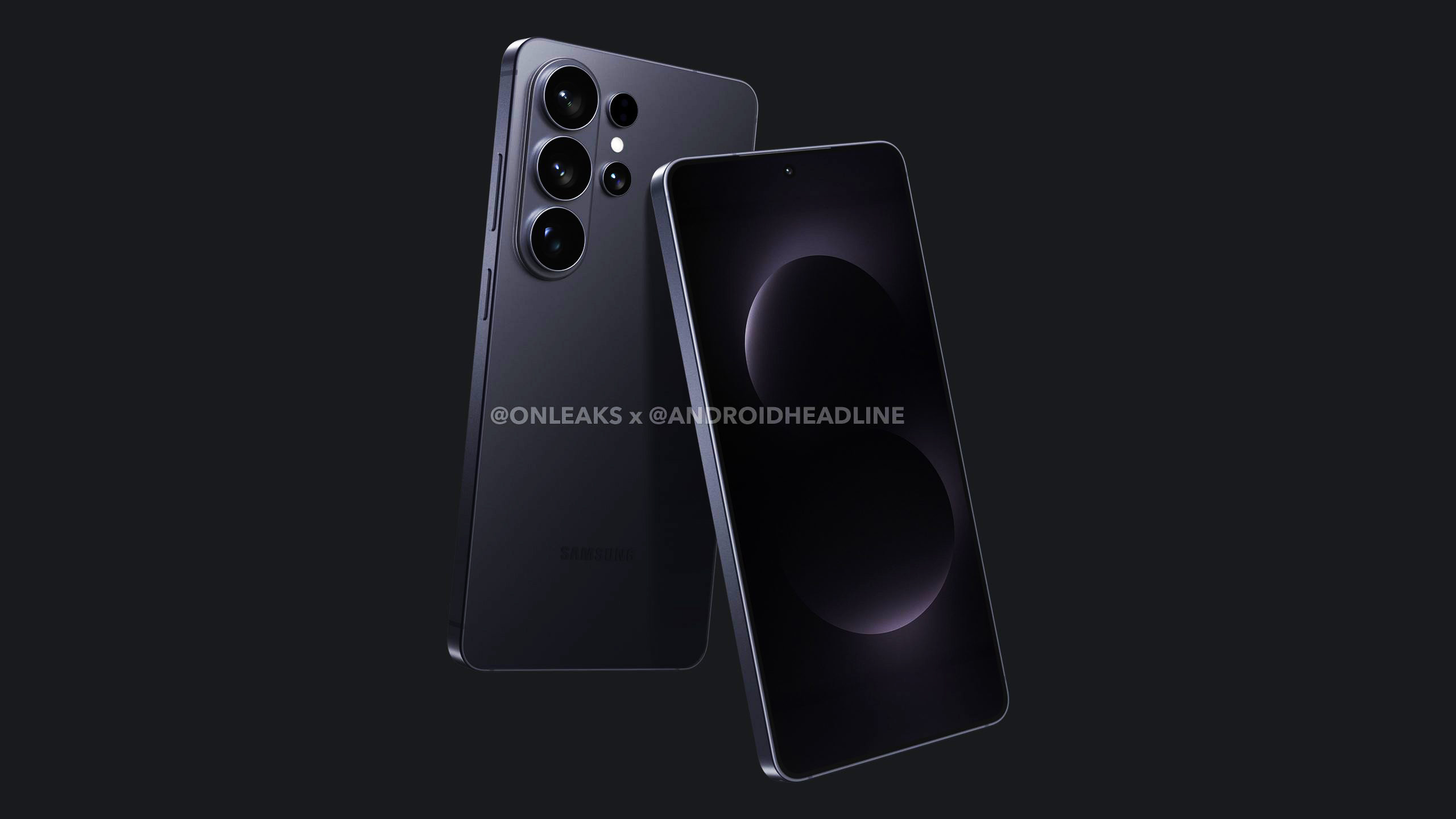
Not because it looks bad – it doesn’t. In fact, it looks premium, refined, and clearly recognizable as a Samsung flagship. The problem is that it also looks safe. Too safe. It feels like Samsung is recycling ideas that once defined its premium line but are now creeping dangerously close to the aesthetics of its cheaper models. The S26 Ultra, for all its promised power, bears an uncanny resemblance to the Galaxy A56. That’s not exactly the kind of comparison you want for a phone that will likely cost north of $1,200.
What makes this even more frustrating is the sense of lost identity. The Galaxy Ultra series used to stand out with its boxy, industrial design – a bold statement that felt distinct from the softer curves of the competition. The S24 Ultra was arguably the last Samsung device to truly embrace that unique design philosophy. The S26 Ultra, however, smooths out those edges in favor of something rounder, friendlier, and, frankly, forgettable. In the process, it trades personality for comfort, and while some users will welcome that change in hand feel, others like me see it as a step backwards.
The elephant in the room is that all smartphone makers are guilty of this design stagnation. Apple, often accused of being the king of incremental updates, is hardly doing better. The iPhone 17 Pro continues Apple’s years-long reliance on the same general look it introduced with the iPhone 12 Pro. What’s worse, Apple has leaned so heavily on its safe choices that its latest Pro looks suspiciously similar to Google’s Pixel 10 Pro. That lack of originality is striking, especially for a company once hailed for its design-first philosophy under Steve Jobs. Compared to Apple, Samsung has at least tried to keep its Ultra line distinct – but this year, even Samsung seems to be slipping into complacency.
Yet for all my complaints, I also recognize why the Galaxy S26 Ultra matters. It’s still one of the very few phones on the market that comes bundled with a stylus. The S Pen remains a unique tool for productivity junkies, digital artists, or anyone who simply prefers jotting notes by hand. Beyond that, Samsung is expected to pack the Ultra with every possible spec upgrade: cutting-edge processors, advanced cameras, and more AI-powered features than most users will ever need. In terms of raw performance and feature set, this will almost certainly be one of the most capable smartphones of 2026.
There’s also a practical argument for the S26 Ultra’s softer design. While the squared-off edges of the S23 and S24 Ultra looked striking, they were also uncomfortable to hold for long periods. Those sharp corners dug into your palm, making the massive device feel bulkier than it was. The rounded edges of the S26 Ultra may not win design awards, but they could make the phone much easier to use day-to-day. It’s a reminder that good design isn’t just about how a device looks on a desk – it’s about how it feels in your hand after hours of scrolling, gaming, or working.
The truth is that we’re living in what I can only call the “boring age of smartphones.” We’ve seen incredible leaps in technology over the past decade – 5G connectivity, folding displays, advanced computational photography, and now AI-driven personal assistants baked into our devices. But in terms of physical design, we’ve hit a wall. There are only so many ways to arrange glass, metal, and camera bumps before it all starts to look the same. That’s why, ironically, many fans – including myself – find ourselves excited over something as trivial as a new phone color. When the iPhone 17 Pro dropped with a fresh finish, the internet buzzed about it. Not because it changed what the phone could do, but because it at least felt different.
And this is why, despite my frustration, I’m oddly glad the Galaxy S26 Ultra exists. It may not be the radical departure I hoped for, but it still represents Samsung’s willingness to fine-tune details, even if those details divide opinion. It proves that the company is still paying attention, still trying to balance usability, identity, and mass-market appeal. More importantly, it keeps the conversation alive in a market that desperately needs it. We might grumble about design sameness, but without devices like the S26 Ultra, we’d have even less to debate.
So yes, I hate the Galaxy S26 Ultra redesign. But I’m also grateful for it. Because every controversial step keeps pressure on smartphone makers to push harder. And if history has taught us anything, it’s that the next big breakthrough usually comes right after we get sick of waiting.