The Galaxy S26 Ultra is still months away, but there is one thing we already know for sure: whatever Samsung unveils in early 2026 will not be cheap. This phone is shaping up to be the brand’s all-out showcase for performance, cameras, AI features, and productivity, the device that is supposed to carry the Galaxy name at the very top of the Android world. 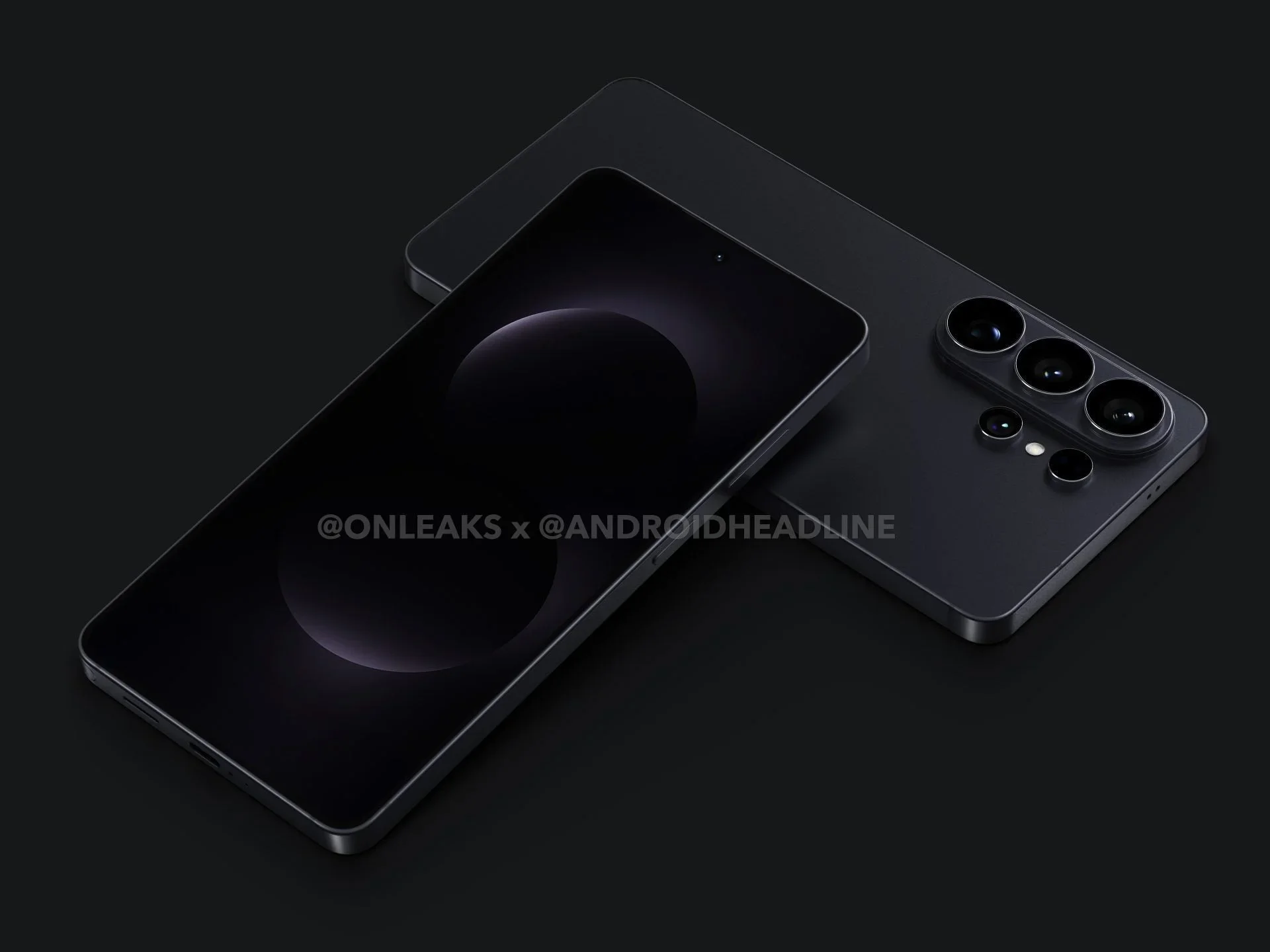
The real debate is no longer whether it will be expensive, but whether Samsung dares to push its price even higher than it already is, or keeps it frozen at an already eye-watering level.
Part of the confusion comes from the leaks themselves. Different insiders, supply-chain whispers and early retail listings all point in slightly different directions. One report hints at a higher starting price, another claims Samsung will hold the line, a third suggests regional differences. For many buyers following every leak on social media, it feels like there are ten different versions of the truth and none of them can be fully trusted. Until Samsung executives walk on stage and show the slide with the official numbers, all we have are educated guesses and context from the broader tech market.
How we got to a $1299 Ultra in the first place
To understand where the Galaxy S26 Ultra could land, it helps to quickly look back at the last few years of Ultra pricing. In most major markets, the Galaxy S23 Ultra started at around 1199 dollars. With the Galaxy S24 Ultra, Samsung pushed that baseline up to about 1299 dollars. The Galaxy S25 Ultra followed the same pattern and stayed at roughly 1299 dollars as well, cementing the idea that this price point is the new normal for Samsung’s most advanced non-foldable phone.
According to current expectations, the Galaxy S26 Ultra is again being positioned in the 1299.99 to 1399.99 dollar band, depending on storage and local taxes. That means the base model could stay flat at 1299 dollars or jump by around 100 dollars if Samsung feels it can justify the move. For context, Apple’s biggest phone, the iPhone 17 Pro Max, is currently rumored to undercut Samsung’s Ultra line by about 100 dollars at its base configuration. In other words, Samsung is already playing in the uppermost tier of mainstream flagships and does not have much headroom left before it enters the kind of pricing usually reserved for foldables and ultra-luxury devices.
| Device | Launch price (base) |
|---|---|
| Galaxy S23 Ultra | $1199.99 |
| Galaxy S24 Ultra | $1299.99 |
| Galaxy S25 Ultra | $1299.99 |
| Galaxy S26 Ultra (rumored) | $1299.99–$1399.99 |
Looking at this progression, the big question is whether Samsung is ready to cross that next psychological barrier for a mainstream flagship, or whether 1299 dollars is already the absolute ceiling for a device that does not fold.
What the Galaxy S26 Ultra is expected to offer
Before talking prices, it is worth remembering what kind of phone the Galaxy S26 Ultra is supposed to be. It is widely expected to be Samsung’s most complete candy-bar smartphone of 2026, pairing a Snapdragon 8 Elite Gen 5 chipset (or its regional equivalent) with generous RAM, fast storage, and a heavy dose of on-device AI features. It will likely keep the integrated stylus, top-tier display with adaptive refresh, and a multi-camera setup that leans on high-resolution sensors and long-range zoom.
However, the leap from the Galaxy S25 Ultra may not be huge on paper. The battery is still expected to sit at around 5000 mAh, which was impressive a few years ago but now looks modest compared to some rivals that are flirting with 7000 mAh and beyond. Rumors also suggest that the camera hardware will remain broadly similar, with the possibility that the 3x telephoto camera even ends up with a slightly smaller sensor. Charging might get a bit faster, the display might gain some privacy-oriented tricks, and software optimizations will certainly be part of the story, but this does not yet look like a wild redesign.
That gap between a relatively modest year-over-year upgrade and an extremely premium price is precisely why so many people are watching the Galaxy S26 Ultra pricing drama so closely.
Why a price hike is absolutely on the table
The strongest argument in favor of a more expensive Galaxy S26 Ultra comes from a place most buyers never see directly: the memory market. DRAM and other crucial components have been caught up in a perfect storm. Demand from AI data centers has exploded, with hyperscalers and cloud providers hoovering up huge amounts of high-performance memory. That surge has put pressure on supply chains, pushed prices up, and reshuffled priorities inside companies like Samsung.
In recent months, Samsung has reportedly raised certain RAM prices by around 60 percent. At many component distributors, memory modules are now two or three times more expensive than their usual long-term average. In some places, retailers cannot even commit to a stable price on paper and simply quote whatever the market dictates on that specific day, the same way upscale restaurants price fresh lobster.
Inside Samsung, this has reportedly created friction between the Mobile Experience division, which builds Galaxy phones, and the Semiconductor division, which actually makes the DRAM chips. The mobile team had requested a long-term allocation of DRAM to secure stable supply for upcoming Galaxy models, but the chip division, seeing the money flowing in from external buyers, has been more interested in selling those chips to the highest bidder instead. As a result, the phone division may be forced into buying RAM in shorter, more expensive bursts instead of locking in long contracts.
When a 12 GB DRAM chip jumps to around 70 dollars, more than doubling its cost compared with earlier in the year, the bill of materials for a high-end phone moves up in a very real way. Multiply that cost by millions of units and suddenly the pressure to nudge the retail price becomes hard to resist. If you add on top the usual increases in labor, logistics, marketing, and regional taxes, a 100-dollar bump for a 2026 Ultra-class phone no longer looks outrageous from the manufacturer’s point of view.
In that light, a Galaxy S26 Ultra that starts closer to 1399 dollars, at least in some markets or storage configurations, is not a crazy idea at all. It fits the pattern of a tech industry trying to protect its margins in the face of a very expensive AI arms race.
Why Samsung might keep the Galaxy S26 Ultra at $1299
The counter-argument is simple and powerful: 1299 dollars is already an extreme price for a non-foldable phone. Every extra 50 or 100 dollars narrows the audience further and pushes more buyers either toward cheaper models or toward aggressive trade-in deals that reduce Samsung’s effective revenue anyway.
The Galaxy S26 Ultra, based on what we know so far, does not sound like a revolutionary upgrade over the S25 Ultra. Yes, there will be a newer chipset, some AI features will become more capable, charging speeds might inch up, and the display may gain niche privacy features. But the overall design language seems familiar, the battery capacity is not jumping, and the camera system looks more like a refinement than an overhaul. It is hard to argue that such an incremental update automatically deserves a higher price tag.
There is also competitive pressure. Even if Apple does raise prices slightly, its big iPhone is still expected to undercut the Galaxy Ultra at launch in some regions. Chinese manufacturers are also pushing extremely aggressive specs for lower prices, especially in markets like India and Southeast Asia. For Samsung, which is already fighting to defend its global market share, another price increase on its halo phone could send the wrong message: that you get fewer visible upgrades and yet you still pay more.
Finally, there is consumer sentiment. After years of conflicting leaks and shifting price forecasts, many fans openly admit they no longer trust pre-launch rumors. People are tired of dramatic numbers that never materialize or change again a week later. If Samsung knows that buyers are already anxious about pricing, it may decide that holding the Galaxy S26 Ultra at 1299 dollars is the safest way to show stability and avoid a backlash at launch.
The third option: reshuffling the lineup instead
There is one more scenario that quietly makes a lot of sense: Samsung keeps the Galaxy S26 Ultra at 1299 dollars, but raises prices on the cheaper models. In that case, the vanilla Galaxy S26 and Galaxy S26 Plus could be the ones to absorb the biggest hikes, narrowing the gap between them and the Ultra. This would let Samsung protect its margins and react to higher component costs, while still allowing the marketing team to say that the Ultra price has remained unchanged.
Samsung could also tweak storage tiers. For example, instead of raising the price, it could keep the base cost but ship the entry Ultra with less RAM or storage in certain regions, pushing heavy users toward more expensive configurations. Another possibility is that traffic-driving launch offers and trade-in promotions end earlier or become less generous, which makes the effective street price feel higher even if the official MSRP stays the same.
And of course, regional pricing is always a wildcard. Tax changes, currency swings and local competition mean that a price freeze in one country can coexist with a noticeable hike in another.
So, what should you expect?
Putting all of this together, a small price increase for the Galaxy S26 Ultra would not be surprising, especially in markets where Samsung feels less pressure from Apple or local brands. The memory crunch, AI spending cycle, and internal Samsung politics around DRAM supply all point toward more expensive components and tougher financial decisions.
At the same time, the argument for holding the price at 1299 dollars is strong. The upgrade looks incremental, buyers are clearly sensitive to further hikes, and Samsung needs to project confidence at a moment when its smartphone crown is constantly being challenged. That is why a lot of watchers see the most realistic outcome as a mixed approach: modest or no increase for the Ultra, more noticeable hikes for the regular Galaxy S26 and S26 Plus, plus a few storage and regional tweaks to make the spreadsheet work.
As for the leaks, take them with a healthy dose of skepticism. We have seen too many contradictory price charts and “exclusive” numbers to treat any of them as gospel. The only thing that feels safe to assume right now is that the Galaxy S26 Ultra will remain a very expensive flagship. Whether that means 1299 dollars again or something closer to 1399 will only be settled when Samsung finally makes it official on stage.
2 comments
Feels like every leaker is just throwing darts at a board at this point. I’ll only trust the price when Samsung shows it on stage tbh
Component costs going up I totally get, but asking more money for basically the same camera + 5000mah again is kinda wild imo