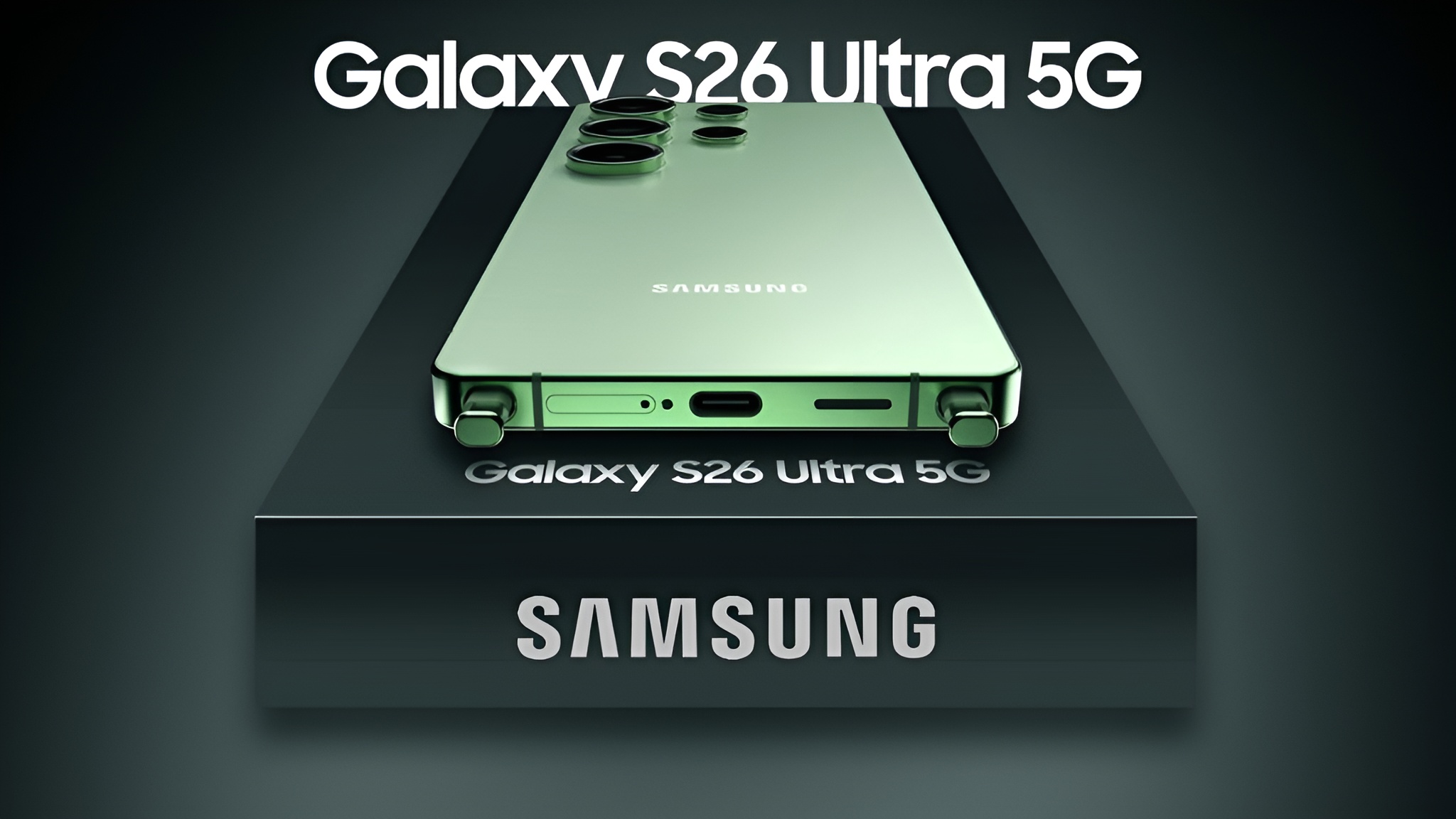
Samsung vs. Qualcomm: The Real Cost of Power in the Galaxy S26 Ultra
Call it a partnership, call it a dependency, call it the goose and the golden eggs: whatever the metaphor, Samsung and Qualcomm are locked together for the foreseeable future. With patent licensing that stretches to 2030 and a multi-year, multi-region chip supply deal inked in 2024, Qualcomm has secured front-row access to Samsung’s global flagship volume. The practical outcome, according to industry chatter and sales math, is simple: the Galaxy S26 Ultra is widely expected to ship exclusively with Qualcomm’s Snapdragon 8 Elite Gen 5, and the bill for that performance is rising fast.
Two agreements that shape a flagship
First, the licensing backdrop. Samsung has a long-running patent license with Qualcomm through 2030, which gives the Korean giant broad access to standard-essential cellular technologies. On top of that, a separate supply agreement signed in 2024 ensures ongoing availability of Snapdragon flagship silicon across multiple regions. Together, these arrangements reduce strategic risk for Samsung’s premium phones while strengthening Qualcomm’s pricing power at the high end.
The economics of the S26 Ultra: where the money goes
Chip costs already dominated the Galaxy S25 Ultra. The Snapdragon 8 Elite inside that device was estimated around 190 USD per unit, roughly 36 percent of an approximate 523 USD bill of materials. For the Galaxy S26 Ultra, the new Snapdragon 8 Elite Gen 5 reportedly lands in the 240 to 280 USD range. Use the top of that span and the math gets stark: with a notional 613 USD BOM, the SoC alone would represent about 46 percent of the total hardware cost.
| Model | SoC | Estimated SoC cost | Estimated BOM | SoC share of BOM |
|---|---|---|---|---|
| Galaxy S25 Ultra | Snapdragon 8 Elite | 190 USD | 523 USD | ~36% |
| Galaxy S26 Ultra (interp.) | Snapdragon 8 Elite Gen 5 | 280 USD | 613 USD | ~46% |
Now layer in royalties. Samsung pays a per-handset royalty of 16.25 USD for Qualcomm’s licensed technologies. That line item scales with volume. In the first half of 2025, Samsung sold about 22.5 million Galaxy S25-series units, yielding roughly 365 million USD in royalty revenue for Qualcomm. Even if mix, discounts, and channel effects blur the edges, the direction of travel is unmistakable: the more premium Galaxy phones Samsung sells, the more predictable the cash flow for Qualcomm.
External cost shock: foundries and memory
The squeeze is not only contractual. TSMC has reportedly warned customers of an 8 to 10 percent price increase on advanced sub-5 nm processes in the coming year. Since Snapdragon 8 Elite Gen 5 is built on leading-edge nodes, any wafer price hike can cascade into higher per-die costs. Meanwhile, LPDDR5X pricing has been drifting up on tight supply and richer speed bins, adding pressure on the memory line of the BOM. When your two most expensive components are both getting pricier, the industrial design team must find savings elsewhere.
Design trade-offs you can see
Cost optimization in a mature product often surfaces in small but visible places. Expect talk of slightly larger bezels or a more prominent front-camera cutout on the S26 Ultra as Samsung hunts for fractions of a millimeter where tooling and panel yields are friendlier. These are not catastrophic compromises, but they are the kinds of choices that keep a device within target margins when the SoC and memory swallow a bigger slice of the pie.
Qualcomm’s capture of premium share
Qualcomm recently set expectations for holding roughly a 75 percent baseline share in Samsung’s next Galaxy S-series generation. An S26 Ultra that is Snapdragon-only would be a win even if other regional models mix in different chip suppliers. And because the royalty stream is separate from the chip sale, Qualcomm benefits twice: once on silicon and again on IP, a dual-channel monetization model that few competitors can match.
Why Exynos 2600 still matters
Against this backdrop, Exynos 2600 is not just an engineering project; it is a negotiation tool. If Samsung can demonstrate parity or near-parity with Snapdragon 8 Elite Gen 5 in CPU efficiency, GPU throughput, AI performance per watt, modem stability, and sustained thermals, the company gains leverage across future bill-of-materials and allocation talks. Even a credible regional split where Exynos takes meaningful volume would shift pricing dynamics, protect margins, and give Samsung more room to differentiate software features without waiting on third-party silicon roadmaps.
Early indicators around Exynos 2600 have sparked optimism, but real credibility arrives only with shipping phones and independent testing: battery drain under camera and 5G stress, throttling profiles over a 20-minute game loop, cold-start GPS lock, and end-to-end latency for on-device generative features. If Exynos checks enough of those boxes, the next negotiation cycle may look very different.
The road ahead: what to watch
- Final S26 Ultra silicon confirmation and any region-by-region differences.
- Retail pricing vs. BOM drift: do list prices absorb foundry and memory hikes, or do features flex?
- Camera stack decisions: sensor costs, lens coatings, and the size of the selfie hole as a proxy for internal layout trade-offs.
- Thermal design: vapor chamber size, graphite layers, and long-run performance stability.
- Exynos 2600 validation: sustained benchmarks, modem behavior in fringe coverage, and AI latency.
One way or another, Qualcomm’s golden eggs keep arriving, and for now Samsung remains the most valuable nest. The Galaxy S26 Ultra will likely showcase cutting-edge performance, but that speed carries a price tag that ripples from the BOM to the bezels. If Exynos 2600 lands as a true alternative, Samsung will regain bargaining power. If not, Qualcomm’s dual engine of chips plus royalties will continue to define the economics of Samsung’s flagships well into the decade.