For years, Samsung’s Galaxy S flagships have set the tone on displays, cameras, and durability – yet one nagging detail has stubbornly lagged behind: wireless charging speed. That could finally change with the Galaxy S26 family. Multiple industry reports indicate Samsung is preparing a significant power bump and a modern magnetic accessory ecosystem, moves that would bring the company in line with the latest Qi 2.2 standard and – at long last – close a long-standing gap with rivals.
A long-overdue fix for a familiar pain point
Samsung has held the line at 15W wireless charging for more than half a decade. In everyday terms, that meant convenient top-ups, but not truly fast refuels when you were dashing out the door. 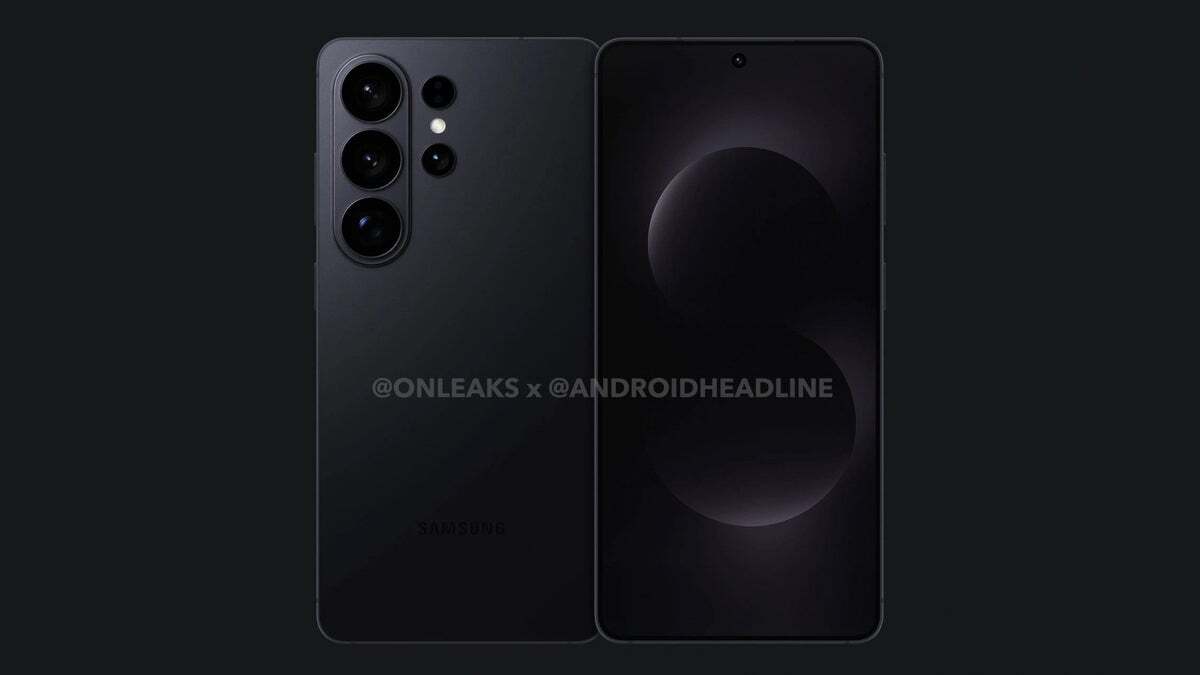
The Galaxy S26 Ultra is now rumored to adopt 25W wireless charging with Qi 2.2 certification. If accurate, that represents a meaningful jump in real-world replenishment without cables, especially when paired with a properly certified pad or stand and tight thermal control.
The rest of the S26 family reportedly won’t be left behind. The standard Galaxy S26 and the resurrected Galaxy S26 Plus are tipped to move from 15W to 20W wirelessly. That’s not quite Ultra-level, but it would still shave noticeable minutes off a coffee-break charge and narrow the practical gap between wired and wireless refueling for mainstream buyers.
What Qi 2.2 and magnets actually change
Qi 2.2 isn’t just about higher wattage; it standardizes magnetic alignment so the coils on your phone and charger snap into the optimum position every time. The rumor mill points to built-in magnets on all three S26 models, mirroring what Apple popularized with MagSafe. Magnets sound trivial until you’ve used them: they minimize misalignment losses, reduce heat from inefficient coupling, and let accessories – wallets, stands, car mounts, battery packs – lock on securely without fiddling.
Better alignment plus higher headroom means faster, more consistent charging curves, especially during the first 30–50% where top-ups matter most. It also unlocks a healthier thermal profile; fewer wasted watts as heat is good news for battery longevity.
Samsung versus the competition
On paper, 25W won’t beat the headline-grabbing 50W+ figures some Chinese brands advertise. But context matters. Much of the industry is rallying around Qi 2.2 for broader compatibility, predictable thermals, and accessory ecosystems that work across brands. Apple embraced 25W magnetic wireless charging on iPhone 16 Pro, and Google stepped up to a 25W Qi 2.2 implementation on its latest Pixel flagship. If Samsung follows suit, Galaxy owners get speed plus standardization – arguably the smarter long-term play than chasing peak numbers that only a few proprietary chargers can hit.
Foldables and the thermal puzzle
There’s chatter that Samsung is also exploring faster wireless charging for the Galaxy Z series. Foldables complicate heat dissipation thanks to their thin layers and hinge architecture, so raising wattage is trickier. Whether we see a bump on the next Z Fold generation or later remains to be seen, but Qi 2.2’s efficient alignment could be a stepping stone, offering incremental gains without thermal spikes.
Don’t forget wired: a 60W rumor
Another thread worth watching is wired charging. The Galaxy S26 Ultra is rumored to jump to around 60W over the cable. If true, that would noticeably compress full-charge times – useful when you need a near-empty battery to hit 80% while you shower and pack a bag. Paired with smarter charge scheduling and heat management, 60W could deliver speed without brutalizing long-term battery health.
Hardware, design, and the rest of the package
Charging isn’t the only storyline. The Ultra model is widely tipped for a refreshed silhouette with rounder edges, a brighter and more efficient display, and a new main camera sensor. Under the hood, expect a next-gen Snapdragon 8 Elite Gen 5 in many regions, which should bring stronger sustained performance and better on-device AI acceleration. Those AI workloads – photo remastering, live translation, camera scene analysis – only heighten the value of faster, cooler charging, because heavy AI tasks can keep the phone warm and hungry.
For the non-Ultra S26 and S26 Plus, a move to 20W wireless charging paired with Qi 2.2 magnets could be the stealth upgrade that changes daily behavior. Magnetic car mounts that don’t wobble. Bedside stands that align perfectly in the dark. Travel battery pucks that click on securely. When charging gets this effortless, you top up more often and worry less about dropping below 20% at 5 p.m.
Why this matters in everyday life
- Less fiddling, fewer cables: Magnets erase the alignment dance and make nightstand charging brainless.
- Faster top-ups: A quick 10–15 minutes can add enough juice to finish your commute or photo walk.
- Cooler, safer charging: Efficient coil alignment reduces heat, which benefits battery health over the long haul.
- Accessory explosion: Standardized magnets invite a broader ecosystem of cases, wallets, stands, and in-car mounts that just work.
Launch timing and what to expect
Samsung typically unveils its Galaxy S lineup in the first months of the year, and current whispers point to a January–February window. As always with pre-launch coverage, specifics can shift, and nothing is official until it appears on stage. But taken together – 25W wireless on the S26 Ultra, 20W on the S26 and S26 Plus, all with Qi 2.2 magnets – the direction is clear: Samsung seems ready to modernize wireless charging in a way that balances speed, safety, and ecosystem convenience.
Bottom line
If these leaks pan out, the Galaxy S26 series won’t just be another spec bump; it’ll be a course correction for one of Samsung’s oldest annoyances. Faster, smarter wireless charging touches every part of daily use – from the car to the couch – and finally aligns Galaxy flagships with the best standards in the industry. Add in a rumored 60W wired boost, a refined design, a stronger camera, a brighter display, and the latest Snapdragon platform, and you have a flagship trio with substance behind the shine. It’s about time.