Samsung’s upcoming Galaxy S26 series could be the brand’s boldest step forward in performance and efficiency, thanks to the combination of Qualcomm’s new Snapdragon 8 Elite Gen 5 chip and next-generation storage technology. This chipset is not just an incremental upgrade – it delivers up to 20% faster processing speeds and 35% better efficiency compared to the previous Snapdragon 8 Elite. 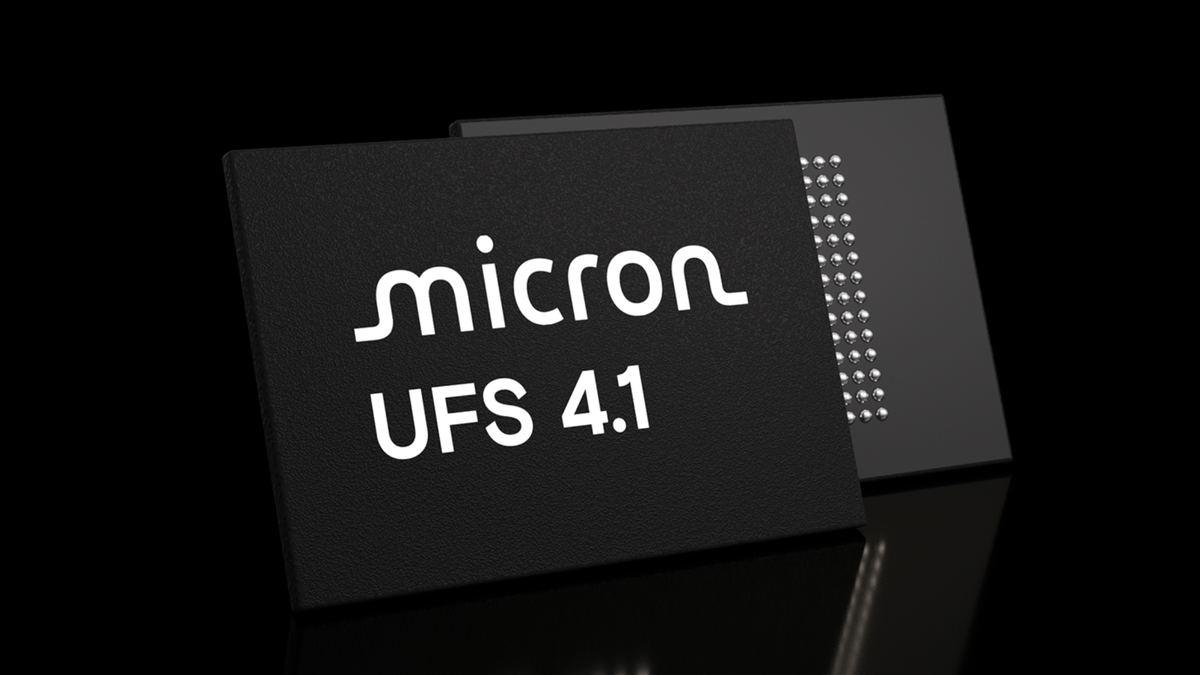
More importantly, it brings full support for Universal Flash Storage 4.1 (UFS 4.1), a technology that promises to make smartphones significantly more responsive in real-world use.
For context, UFS is the storage standard that dictates how quickly data can be read and written on a device. Samsung was an early adopter of UFS 4.0 with the Galaxy S23, and the Galaxy S25 continued that momentum. If history is any guide, the Galaxy S26 lineup is very likely to embrace UFS 4.1. Industry insiders suggest Micron’s new storage modules will once again be the supplier, and these modules are not only faster but also more compact. That means Samsung can keep the same storage capacities while freeing up physical space inside the phone for other components.
Why does this matter for everyday users? The shift to UFS 4.1 could make multitasking, app loading, and file transfers smoother than ever. More importantly, as AI-powered features become central to smartphones – whether it’s real-time translation, advanced photo editing, or generating on-device AI responses – the speed of storage directly affects how quickly results appear on screen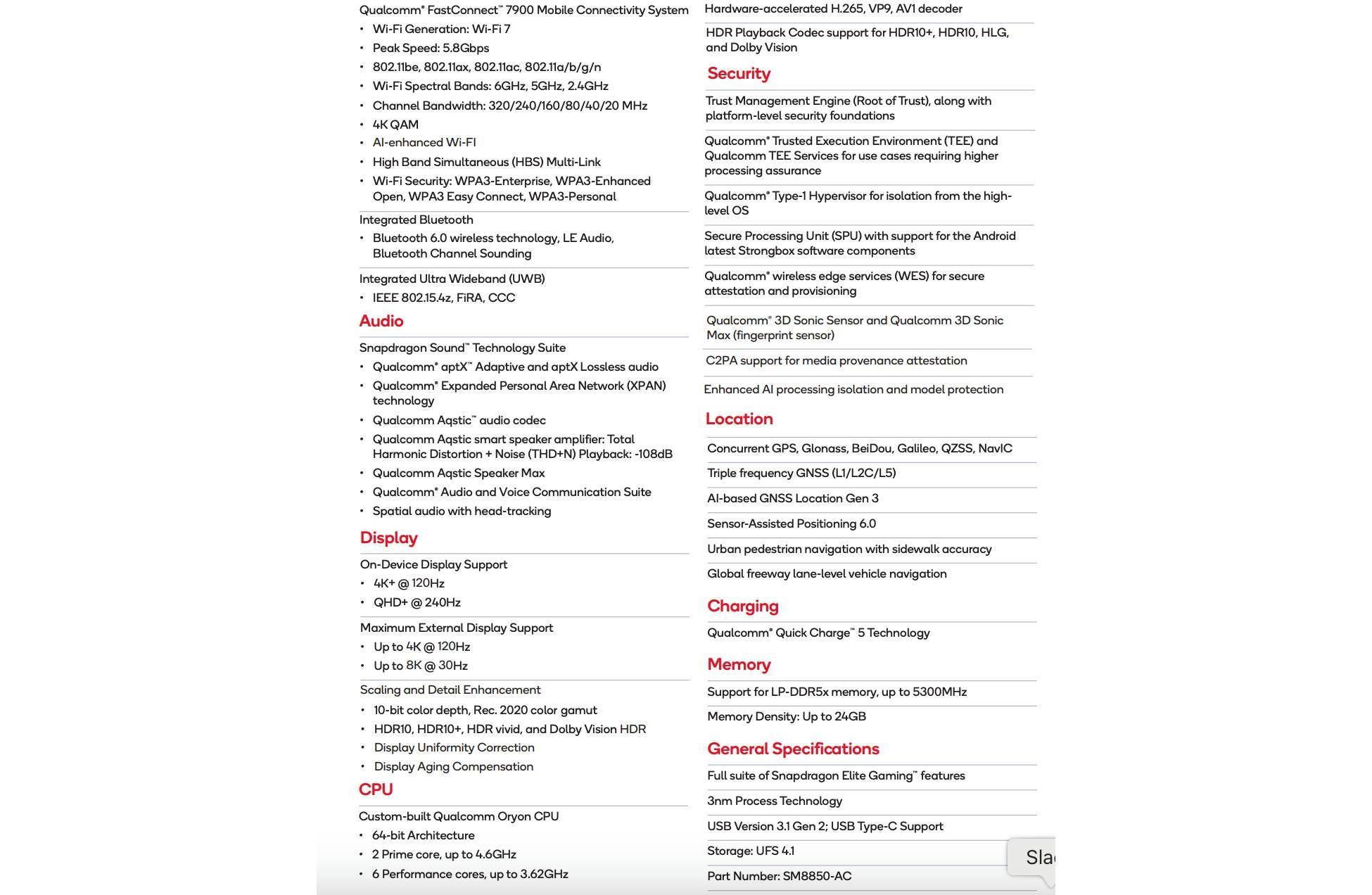
. With UFS 4.1, those delays shrink dramatically, making the experience feel seamless and almost instantaneous.
Samsung is also expected to pair this new storage standard with cutting-edge memory. The Galaxy S26 line is rumored to adopt the 1γ LPDDR5X RAM, which, like UFS 4.1, comes in smaller, more efficient packages. That efficiency translates to faster speeds without consuming extra power, while the smaller footprint creates more room for other innovations. While the company may not use the space to fit in a larger battery – especially in the Ultra model – it could instead refine thermals, sensors, or even upgrade camera modules. Faster charging and improved power efficiency from the new chip might offset concerns about battery life remaining unchanged.
Another competitive edge comes from timing. While rivals like Google’s Pixel 10 family stuck with UFS 4.0 despite the newer tech being available, Samsung may position the Galaxy S26 as the first mainstream flagship to fully embrace UFS 4.1. Combined with a custom-tuned version of the Snapdragon 8 Elite Gen 5, this could make Samsung’s next flagship one of the most powerful and responsive phones of 2026.
In short, the Galaxy S26 looks set to blend raw performance with efficiency gains, ensuring smoother AI features, faster storage, and smarter use of internal space. If Samsung’s track record is anything to go by, early adopters will likely notice a real leap forward compared to the Galaxy S25 – this time not just on paper, but in daily use.
1 comment
If Samsung really puts UFS 4.1 in the S26, Pixel fans gonna be salty again