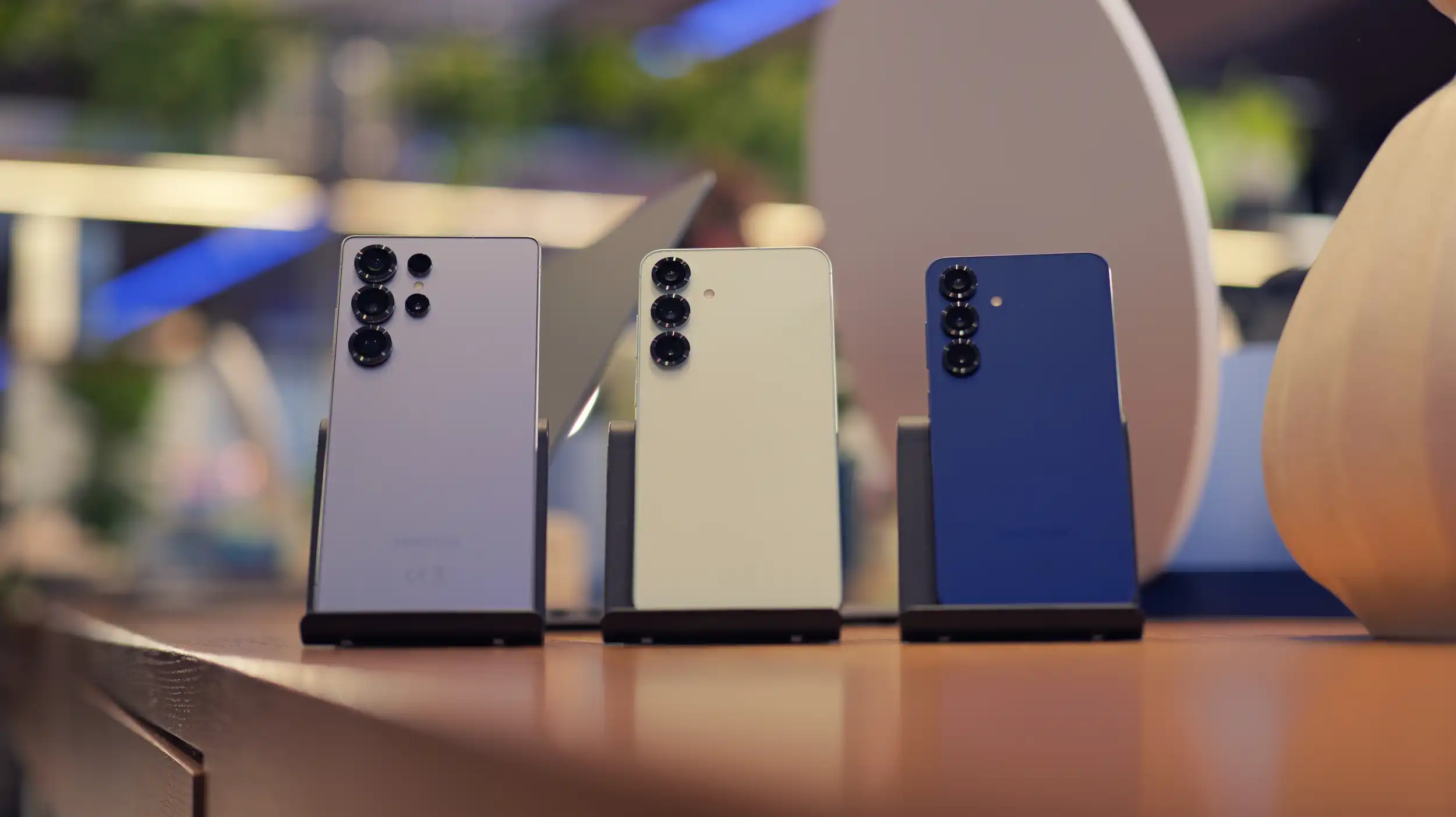
Samsung’s High-Wire Act: Can the Galaxy S26 Hit Big Targets While Parts Get Pricier?
Samsung’s mobile business is staring down a classic squeeze: on one side, the company has set an audacious growth agenda for 2026; on the other, core components are climbing in cost, pressuring prices and margins just when Samsung wants to scale. The company’s MX division is reportedly aiming for about 130 trillion won in 2026 smartphone-and-tablet revenue, underpinned by sales of roughly 240 million smartphones and 27 million tablets. Within that, the flagship Galaxy S26 family carries a bold unit target of about 35 million, with 24 million of those phones expected to move in the first half of 2026 – up from the Galaxy S25’s 22 million in H1 2025. Add another five million units of Fold and Flip devices slated for a July launch, and you see the outline of a comeback narrative reminiscent of the division’s record 133 trillion won peak back in 2013.
But the comeback story collides head-on with 2025–2026’s least cooperative trend: cost inflation across the bill of materials. Application processors (APs) have risen roughly 12% year-over-year, camera modules about 8%, and memory is in the middle of a cyclical uptrend just as smartphones demand more of it. High-bandwidth memory (HBM) demand for AI data centers is soaking up DRAM fab capacity, forcing mobile-grade LPDDR supply to tighten and prices to push higher. For reference, the price of a 96Gb LPDDR5 chip is up about 16% versus Q1 2025, and even older LPDDR4X options have climbed 7–12% since late September – equating to eye-popping 76–158% year-over-year jumps versus Q4 2024 depending on configuration. In a market where memory and storage can be one of the single largest line items inside an affordable handset, those deltas are material.
That pressure is already visible downstream. Chinese brands have nudged retail prices upward – Xiaomi’s Redmi K90 is one example – and peers like Oppo and Vivo are signaling similar moves. Industry research shops and banks paint the same picture: smartphone gross margins are likely to stay tight for the next 12–18 months as DRAM and NAND pricing remains elevated into 2026. TrendForce recently revised its conventional DRAM outlook for Q4 2025 from 8–13% growth to 18–23%, with room for further upside if AI server demand persists. Component trackers also show how memory’s share of a device’s retail price has fattened: a $299 Redmi Note 14 with 8GB+256GB uMCP (LPDDR4X + UFS 2.2) now carries roughly $49 for that memory/storage combo – around 16% of the ticket price, up from ~10% a year earlier. Even at the $119 entry tier, a 4GB+128GB setup has risen from ~$18 (15% of price) to about $27 (23%).
Why does that matter for a premium Galaxy? Because price ladders rely on relative positioning. When mid-range phones inflate, flagships either hold price to widen perceived value or climb too – risking sticker shock. Samsung held the line on S25 pricing in its home market versus S24 (for 256GB models), but suppliers and analysts now suggest flat pricing for S26 is unlikely. The uncomfortable math is simple: if APs, cameras, DRAM, and NAND all lean higher, keeping retail steady either squeezes margins or demands cost removal elsewhere. Neither is free. Cut features and you blunt the story; trim marketing and you reduce velocity right when you’re chasing volume.
So how can Samsung thread the needle and still ship 35 million S26 units? Expect a multi-lever strategy:
- Aggressive trade-ins and financing: The retail tag may move, but monthly ownership costs can be kept familiar. Elevated guaranteed trade-in values for S and Fold owners, plus carrier installment plans, soften headline increases.
- Memory mix as a margin valve: With memory inflation acute, Samsung can steer buyers toward higher-margin SKUs through small step-ups, while keeping an entry S26 that lands near last year’s on-shelf price (possibly with lower base RAM/storage than early rumors suggest).
- Regional SKU tuning: Component diversification – whether via chipset splits or alternative camera suppliers – helps offset local cost spikes without diluting the global hero message.
- Value-add bundling: Launch-window perks (Galaxy Buds, charger/adapter reinstatements in some regions, cloud backup tiers) preserve perceived value at a manageable cost.
- AI-forward narrative: If on-device AI genuinely improves everyday tasks – camera scene fusion, live translate, creative tooling, battery optimization – Samsung can justify a modest premium, especially if updates and AI features are guaranteed over multiple years.
None of this erases risk. Price elasticity is very real at the top end, and the Android premium segment is as much about desirability as it is about specs. If Chinese flagships anchor below Samsung while improving cameras and charging speeds, Samsung must earn its delta with design, silicon efficiency, and software polish. Macro adds more uncertainty: exchange rates can amplify price moves, while any fresh HBM wave for data centers could extend the memory upcycle and keep smartphone DRAM dear throughout 2026.
What would success look like? If Samsung lands close to the first-half target – 24 million S26 units – and keeps foldables on pace for ~5 million post-July, the full-year 35 million S26 goal remains plausible. That scenario implies disciplined channel management: keep shelves stocked, avoid panic discounting that trains consumers to wait, and line up supply so that the most popular color/RAM/storage combos don’t go dark. It also means Samsung must secure memory contracts early and hedge where possible, because a few dollars saved per device on DRAM/NAND scales into real profit at tens of millions of units.
The uncomfortable counterpoint is straightforward and echoed by early consumer chatter: if prices move too far north, demand could flinch. The market still remembers how stable S25 pricing landed well with upgraders. Pushing beyond that comfort zone without a clear, felt-daily advantage risks slowing momentum just when Samsung wants to re-accelerate toward that 130-trillion-won year. The S26 playbook will need surgical pricing, persuasive AI-centric features, and incentives that protect perceived value without blowing up margins.
Bottom line: Samsung is attempting a revival at a difficult moment in the component cycle. The company has the scale, brand, and channel reach to pull it off – but the Galaxy S26 must convince buyers that any price nudge comes with tangible, durable benefits. If Samsung gets the balance right, the S26 could be the inflection point that pulls MX out of the post-2013 doldrums. If not, the market will make the choice for them.