Samsung’s Galaxy S26 series was one bold decision away from being an instant classic. Instead, the company has opted for a playbook it knows by heart: a three-tier lineup (base, Plus, Ultra) and a cautious return of its in-house silicon. Since 2020, this structure has delivered consistency and scale – and Samsung reportedly expects around 35 million units to move if everything goes to plan. Yet the S26 story feels like a near-miss. 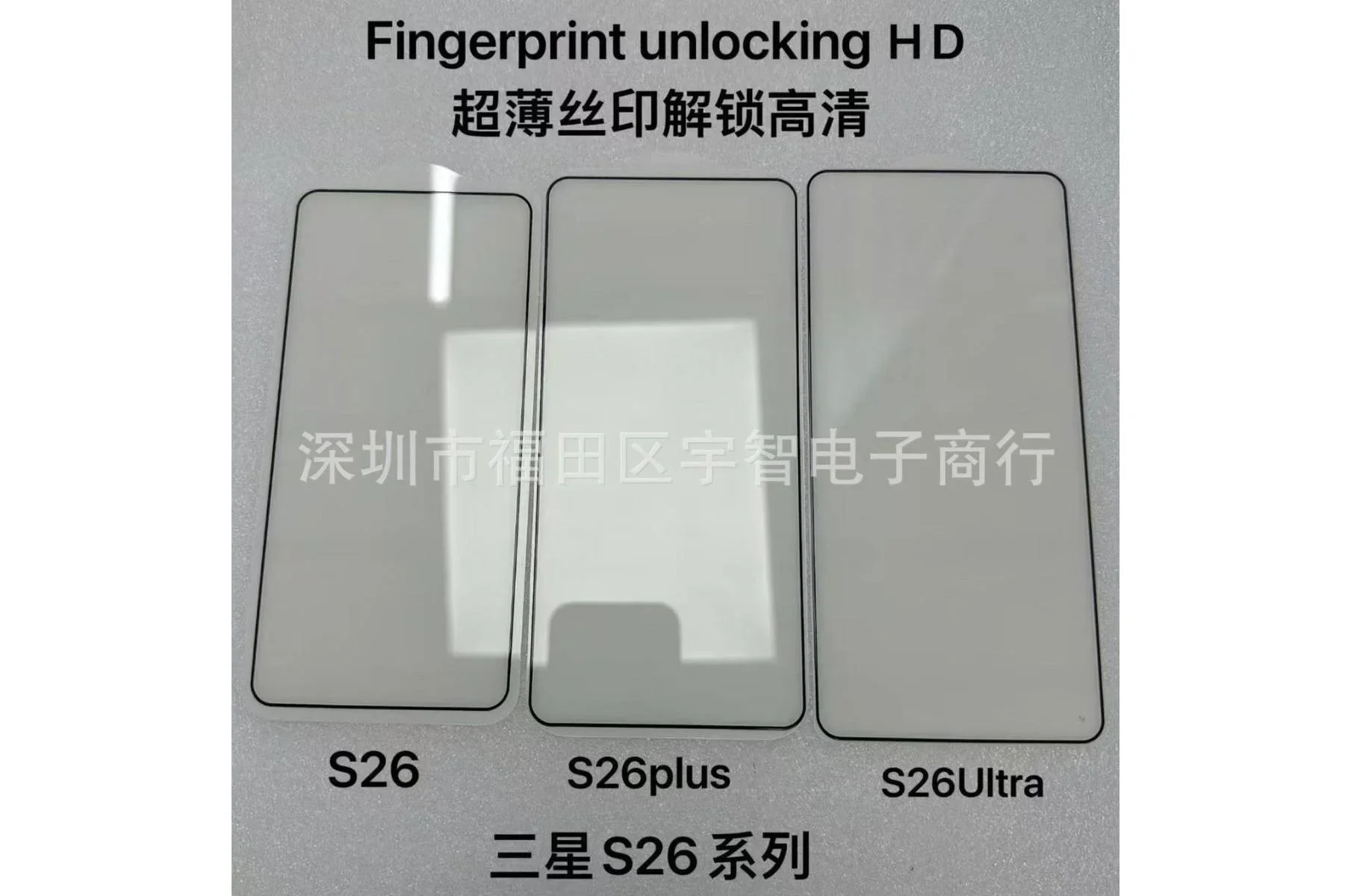
This range could have redefined what a mainstream flagship looks like. It could have shifted the conversation from “Which size do you want?” to “What kind of flagship are you?”
The standard model that never got its coronation
For months, whispers suggested Samsung might replace the entry S model with a Pro. Not a rebadged base phone, but a device that would finally turn the “standard” slot into the default hero. That move alone could have reset expectations across the industry. The base models from every brand carry the revenue burden, yet they too often feel like stripped-down versions of the real star. A Galaxy S26 Pro had the potential to flip that script by becoming the best choice for most people, not merely the cheapest path into the ecosystem.
Imagine a Pro with the Ultra’s image pipeline trickling down: a high-quality main sensor with smarter binning, a telephoto that isn’t an afterthought, and computational photography tuned for consistency rather than lab charts. Add an LTPO 120Hz panel that scales down to 1Hz for better battery life, a battery sized for the realities of heavy messaging and social video, and a finish that looks premium without requiring a case on day one. Round it out with seven years of OS and security updates, device-to-cloud backup that actually feels seamless, and on-device AI that works the same whether you’re online or not. That’s not a fantasy spec sheet – it’s a statement of priorities. It tells buyers, “The middle of the range is the heart of the range.”
The Plus problem: big, but to what end?
In the current rubric, the Plus model is the awkward middle child: essentially the standard phone at a larger size. For shoppers willing to spend more, the next leap often isn’t to Plus – it’s straight to Ultra, where the unique features live. Samsung reportedly considered retiring the Plus in favor of an Edge variant – thinner, more design-forward, perhaps with a horizontal camera bar to match the prevailing aesthetic. Then the brakes went on. Soft demand for style-first devices (see the mixed reception to the S25 Edge and Apple’s iPhone Air) spooked the market logic, and the Plus survived.
The trouble is that redundancy rarely earns affection. If Plus remains simply “S26, but bigger,” it will continue to be the most negotiable purchase in the trio. A truly reimagined Edge could have been Samsung’s runway piece: the phone you spot across a room. Ultra stays the spec beast. Pro becomes the default recommendation. Edge becomes the object of desire. Three phones, three distinct reasons to exist.
Exynos returns: strategy or gamble?
Chip politics are back on the menu. After yielding the spotlight to Qualcomm for a full cycle (and on Galaxy S25, effectively going all-in on Snapdragon), Samsung is poised to ship at least a quarter of S26 units with its own Exynos 2600. On paper, the 2600 is said to hold its own against Qualcomm’s Snapdragon 8 Elite Gen 5 and to run cooler than earlier Exynos parts – the heat and throttling complaints from the S22 era still echo in forums, so that matters.
There is, however, a perception challenge. Qualcomm’s leadership has telegraphed a simple baseline: roughly three-quarters share on Galaxy is the new normal, with upside when execution is perfect. S25 hit 100% Snapdragon. S26 swings the pendulum back. The upside for Samsung is obvious – supply flexibility, cost control, and independence. The risk is equally clear: region lottery fatigue. If a customer pays flagship money and ends up with the variant that benchmarks slightly lower or sustains fewer peak frames in a game, the goodwill evaporates fast – especially if sticker prices inch upward anyway. Cost savings that consumers can’t feel are not savings; they’re margin.
Pricing, positioning, and the psychology of value
Samsung’s calculus likely assumes that component savings from Exynos help buffer inflationary pressures elsewhere, keeping MSRPs within a familiar band. But value isn’t only arithmetic. It’s the story the product tells. If buyers believe they’re getting “some Snapdragon, some Exynos” by luck of geography, while rivals pitch a single, consistent experience, perception tilts. That’s why the rumored S26 Pro could have been such a clever move: it reframes the story from “which chip?” to “which identity?”
What an iconic S26 lineup could have looked like
- Galaxy S26 Pro (the default hero): Ultra‑grade camera philosophy with fewer lenses but better consistency, LTPO display, big battery, grippy finish, and full flagship charging speeds. The “gets everything right” phone.
- Galaxy S26 Edge (the design object): Noticeably slimmer, a bolder camera bar, micro-curved glass that avoids palm touches, and a slightly smaller battery offset by better efficiency. It looks and feels unlike anything else on the table.
- Galaxy S26 Ultra (the maximalist): Larger sensor and longer optical reach, pro video controls out of the box, an S Pen that finally earns software features beyond note-taking, and the best sustained performance for creators and gamers.
All three share seven years of updates, identical core AI features, and the same baseline camera color science so your photos look like “your” photos regardless of model. That is how you build a family instead of a ladder.
Meanwhile, the competition…
Apple’s iPhone 17 line and Google’s Pixel 10 have played to their strengths with sharper positioning: clear ladders of features and identities that are easy to explain. Samsung’s “safety first” approach will likely avoid disasters – and may well land its sales goal – but it also risks surrendering the cultural moment to others. The market rewards brands that make their middle phones exciting, not merely acceptable.
The verdict: great phones, safer choices
The Galaxy S26 lineup will almost certainly be good. It may even be great. But it won’t be the inflection point it could have been. A Pro replacing the base model would have announced a new era for Samsung’s mainstream buyers. An Edge replacing the Plus would have given the range a design icon. A clearer silicon strategy would have calmed buyer anxiety before it flares up again. Instead, we’re left with a collection that checks boxes, hits forecasts, and keeps competitors honest – without daring them to rethink their own playbooks.
Some years you rebuild; others you refine. The Galaxy S26 refines. It will sell. It will satisfy. But in a cycle that was poised for reinvention, Samsung chose predictability. Icon status will have to wait.
1 comment
Exynos cooler now? I’ll believe it when my hands don’t burn 😂