Anyone who has been waiting to upgrade their PC or laptop memory has probably felt it already: RAM prices are climbing again. Now Framework, the company that built its reputation on modular, repairable laptops and desktops, has confirmed it will also raise memory prices. 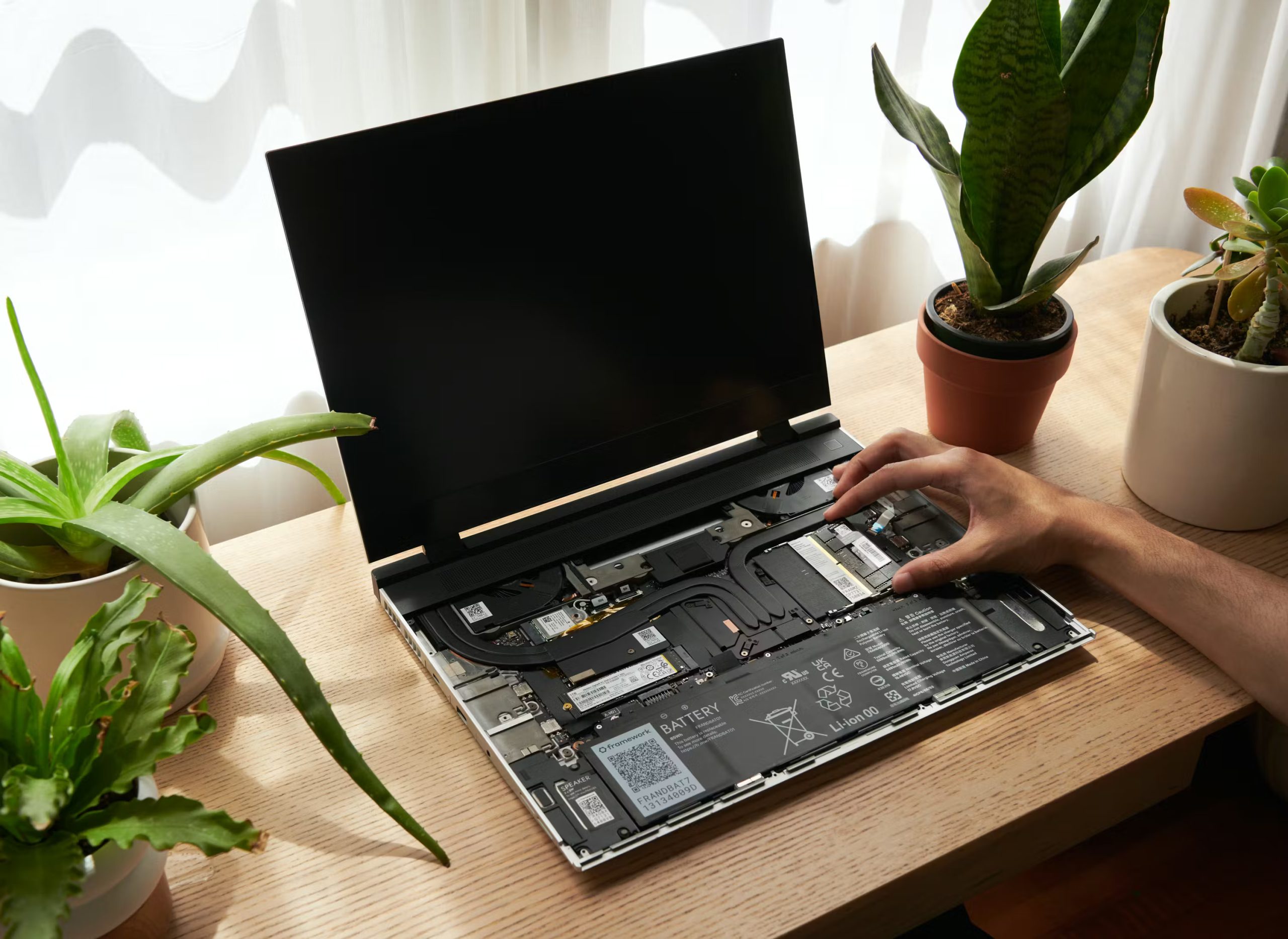
The crucial difference, the company insists, is that it will not exploit the situation by slapping on the kind of extreme markups seen at giants like Apple and Dell.
The backdrop is a global DRAM squeeze. Chipmakers are pumping massive volumes of high-end memory into AI accelerators and data center hardware, while consumer-grade DDR5 for laptops and desktops fights for what’s left. When supply tightens, everyone along the chain pays more: module makers, PC brands, and ultimately buyers. We’ve already watched familiar RAM names such as Adata, Corsair, and G.Skill quietly increase prices in response to constrained DRAM supply and rising contract costs.
Framework’s announcement fits into this broader pattern, but with a different philosophy. The company says prices for memory upgrades in its pre-configured systems will go up, yet the adjustments are meant to track real component costs rather than transform RAM into a hidden luxury add-on. That promise matters because Framework’s entire identity is built around fair, transparent pricing and the idea that you should be able to open your machine, swap parts, and not feel like you’re paying a penalty for wanting more performance or longevity.
To understand why this distinction resonates, you only need to look at some current big-brand pricing. A widely shared example showed that going from 16 GB to 32 GB of RAM in a Dell XPS 13 configuration now adds around $550 to the bill. That’s not a typo; it’s a single-step upgrade that costs more than an entire mid-range DIY laptop memory kit. In that context, Apple’s historically infamous memory prices suddenly look almost restrained, which says more about the state of the market than about Apple being generous.
Framework, by comparison, has highlighted that a similar upgrade on its own systems has been in the $80 range for the underlying memory, even as DRAM costs have crept up. Of course, Dell and Apple operate at a totally different scale, keeping vast inventories of pre-configured machines ready to ship. Their defenders argue that those stockpiles and logistics add overhead. But even accounting for that, many enthusiasts see these upgrade menus as pure margin machines, turning a basic bump from 16 GB to 32 GB into a luxury upsell. It is no surprise that plenty of PC users say they avoid certain brands entirely because they feel like they are being charged “premium money for ordinary hardware.”
The madness isn’t limited to laptops. On the component side, there are headline-grabbing examples such as Asgard’s massive DDR5 kits: 192 GB of memory for roughly $1,200, and a 256 GB kit that can rival the price of a high-end graphics card like NVIDIA’s RTX 5090. Those products target workstations and memory-hungry creative or scientific workloads, but they illustrate how far prices can climb when capacity and speed collide with a tight supply chain.
Unfortunately, the industry doesn’t expect this to blow over in a few months. Current projections suggest that the DRAM situation is unlikely to normalize before the end of 2026. Manufacturers such as Samsung are investing heavily in new lines, but much of that fresh capacity is being funneled into high-bandwidth memory and other specialized products for AI and data center customers, where margins are thicker and demand is exploding. General-purpose DRAM for everyday PCs is, for now, the poor cousin in the allocation hierarchy.
For consumers, that reality means two things. First, RAM is going to stay more expensive than we were used to during the era of fire-sale DDR4 kits. Second, where you buy that RAM – and from whom – matters more than ever. Closed designs with soldered memory and no user-upgrade path effectively lock you into whatever markup the manufacturer chooses. Brands that allow standard SO-DIMM or DIMM upgrades give you options: you can either configure directly from them, or buy modules yourself later when prices make more sense.
Framework is trying to position itself on the better side of that equation. The company is transparent that it cannot absorb the entire impact of DRAM hikes and must raise prices accordingly. But by publicly contrasting its approach with what many see as gouging from Apple, Dell, Lenovo, and others, it is betting that informed buyers would rather support a vendor that treats memory as a component, not a luxury tax. In a market where one RAM upgrade can cost as much as a budget laptop, that stance might be enough to turn more skeptics of “overpriced ecosystem hardware” into converts.
1 comment
DRAM market is a mess, but the big OEMs definitely use it as an excuse. Regular users just see “overpriced crapware” and stay away