Hamaguchi’s AA itch: When a blockbuster mind craves a tighter canvas
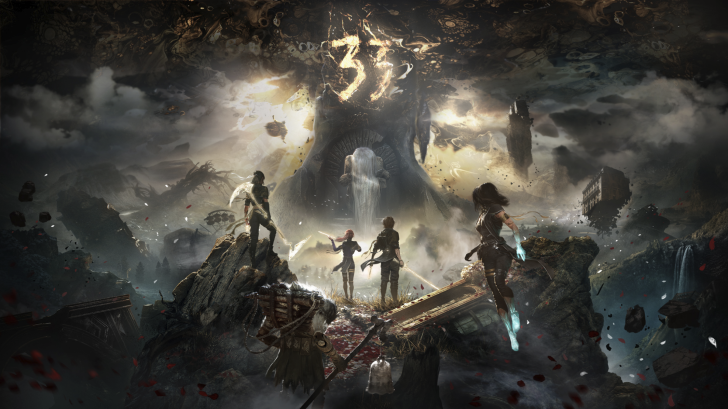
Naoki Hamaguchi, the game director behind Final Fantasy VII Rebirth, hasn’t been coy in 2025 about two things: the next chapter of the Remake project is progressing well, and he’s smitten with the elegant focus of Clair Obscur: Expedition 33. In a recent interview, he went further – saying he’d love to try a project of that scale. Not as a side dish to a mega-budget feast, but as a main course built around one gleaming idea polished to near perfection.
That sentiment cuts to a quiet tension in modern development. Triple-A games are sprawling galaxies: vast art pipelines, orchestral systems design, motion capture, global QA armies. Look anywhere and the bar is sky-high. Yet that scale can blur a game’s heartbeat. AA projects, by contrast, can pick a single artery – a distinctive combat loop, a striking art mood, a bold narrative conceit – and pump all resources into it. The result, at their best, is sharp, memorable, and surprisingly luxurious where it counts.
Why Clair Obscur: Expedition 33 resonates
Hamaguchi’s admiration isn’t casual praise. He’s attracted to how a smaller scope can unlock creative decisiveness: fewer moving parts, faster iteration, clearer priorities. A project like Clair Obscur shows that when a team commits to one pillar and refuses to dilute it, the experience can feel bespoke rather than budget-limited. It’s the difference between a cathedral and a single stained-glass window that you can’t stop staring at.
What a Hamaguchi-led AA could be
Imagine a title that treats one system as the star: perhaps timing-based RPG combat that lives and dies on tactile feedback; or a narrative structure that loops and refracts a central choice; or an art direction that ties every UI frame, enemy silhouette, and sound layer to a single motif. No filler. No mode bloat. A shorter runtime that refuses to waste your evening. Hamaguchi’s track record suggests he’d sweat the micro-rhythms – animation anticipation frames, encounter readability, the drama of a camera cut – until they sing.
Importantly, an AA approach doesn’t mean austere. It means selective luxury. Spend lavishly where the player actually feels it – on encounter design, on a signature visual flourish, on a score that lands with the weight of a plot twist – and cut ruthlessly everywhere else. That philosophy would let a veteran triple-A director deliver something intensely authored without hauling a battleship into dry dock.
The immovable object: reality at Square Enix
Hamaguchi also acknowledges the catch: his role and the company’s priorities. Big franchises are gravity wells; they bend schedules, headcount, marketing beats. You don’t casually peel a director away mid-trilogy to chase a passion project, no matter how enticing. As he admits, the dream requires ignoring “the reality of the position.”
Still, there’s a reason fans perk up at the thought. A focused experiment from a studio famous for epics could reset expectations. It would test whether refinement can outshine raw scale – and whether a single unforgettable mechanic can earn the same cultural footprint as a map filled with icons.
Whether or not Hamaguchi gets the runway, the message lands: in 2025, the most exciting thing about big-studio talent might be what happens when they aim small on purpose.
2 comments
ok but… can we also get stylish character designs? I’m weak for good drip 😍
If Hamaguchi does this, please keep the combat ultra tight and skip the map chores, thx