Why the FCC Is Cracking Down Harder on Huawei and Other Chinese Tech Giants
The United States Federal Communications Commission (FCC) has taken another decisive step to close lingering loopholes in its restrictions against Chinese telecommunications manufacturers. In a unanimous 3–0 vote, the agency approved tighter measures to block the import and sale of telecom and smart devices built by firms previously identified as national security risks – including Huawei, ZTE, and China Telecom. The new policy reflects Washington’s intensifying concerns about the potential for Chinese state-linked companies to gain access to U.S. 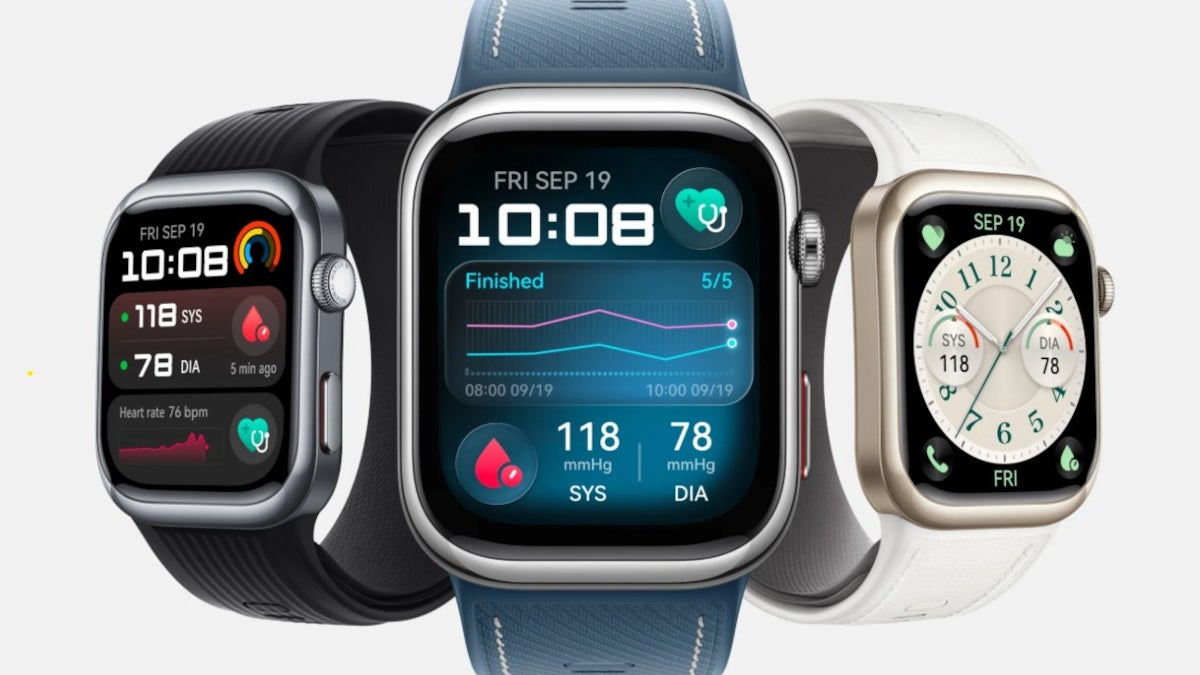
data infrastructure through subtle backdoors and indirect supply chains.
For years, the FCC has maintained a Covered List – a roster of foreign companies deemed to pose threats to national security. These firms are already banned from selling new telecommunications gear in the U.S., yet regulators found that loopholes still allowed some components to slip through. FCC Chairman Brendan Carr emphasized the urgency of this move, saying, “Our foreign adversaries are constantly looking for ways to exploit vulnerabilities in our networks. We have to close every gap before it can be used.”
To reinforce this stance, the FCC’s new rule now forbids the import of any electronic devices that include parts from entities on the Covered List, even if those devices are assembled by third-party manufacturers outside China. It’s a broader approach designed to stop indirect infiltration – such as when banned chipsets or camera modules find their way into smartwatches, routers, or IoT devices made by other brands.
From Smartwatches to Surveillance Cameras: What’s Being Targeted
According to the FCC, millions of devices that should never have been authorized were still available through U.S. online retailers earlier this year. Thanks to a joint enforcement effort, several major e-commerce platforms have since removed listings for products from Huawei, ZTE, Hikvision, and Dahua Technology. These include smartwatches, Wi-Fi cameras, home monitoring systems, and other connected gadgets that could transmit sensitive data to foreign networks.
The timing of the crackdown is particularly significant because Huawei has quietly regained momentum in the wearable market. With a 21% share of global smartwatch sales in the second quarter of 2025, the Chinese firm outpaced Apple, which held 17% during the same period. Huawei’s devices, praised for their battery life and fitness tracking precision, have surged in popularity worldwide – but in the eyes of U.S. regulators, this dominance raises fresh security alarms. The FCC fears that even something as innocuous as a smartwatch could, in theory, serve as an entry point for foreign intelligence gathering.
National Security Concerns Extend Beyond Hardware
The crackdown is not limited to consumer gadgets. Earlier this month, the FCC issued a national security notice reminding U.S. firms about banned surveillance and telecom products. Around the same time, it began revoking the operating authority of Hong Kong’s HKT, a subsidiary of PCCW, to function in the American market. The agency cited risks of data interception and foreign influence, signaling that the U.S. government’s focus is expanding to cover companies based in regions considered under Beijing’s sway.
Chairman Carr revealed that nine Chinese companies remain under close scrutiny – including Huawei, ZTE, Hytera Communications, Dahua, and China Unicom – for allegedly skirting previous sanctions. In March, Carr said the FCC was actively investigating whether these companies had continued U.S. operations under different names or subsidiaries. “We can’t let untrustworthy, foreign adversary-backed actors keep exploiting our systems through technical loopholes,” Carr warned.
The Long History Behind America’s Battle With Huawei and ZTE
The tension between Washington and Chinese telecom giants dates back over a decade. In 2012, a U.S. House Intelligence Committee report labeled Huawei and ZTE as national security threats, citing their close ties to the Chinese Communist Party. Both companies dismissed the claims, but American policymakers grew wary of allowing Chinese hardware near critical communications infrastructure. By 2014, ZTE had carved out a lucrative slice of the prepaid smartphone market in the U.S., supplying affordable phones to AT&T, Verizon, and T-Mobile. Yet its success was short-lived.
In 2017, the Commerce Department banned ZTE from exporting to the U.S. after it was caught violating sanctions by shipping goods to Iran and North Korea and then lying about disciplining the employees involved. The company was effectively paralyzed – until President Donald Trump personally intervened. In May 2018, he directed the Commerce Department to strike a deal that would save ZTE in exchange for massive penalties and a leadership overhaul. ZTE paid $1 billion in fines, set aside $400 million in escrow as a compliance guarantee, replaced its entire executive team, and accepted a decade-long U.S. compliance monitor embedded within the company.
A Tightening Global Tech Battlefield
What’s unfolding today is part of a broader, long-term strategy by Washington to minimize foreign influence over its communications systems. The U.S. has encouraged allies – including the U.K., Canada, and Australia – to adopt similar restrictions, leading to Huawei’s near-total exclusion from Western 5G networks. As the Internet of Things expands and more household devices become connected, regulators fear that even a single compromised component could jeopardize national infrastructure.
The FCC’s latest decision sends a clear message: there will be no tolerance for gray areas in the enforcement of technology bans. For American consumers, this might mean fewer cheap imports and a narrower selection of connected gadgets. But for policymakers, the trade-off is necessary to safeguard the integrity of national data systems. As Carr summarized, “The cost of complacency is too high. Every connected device is a potential doorway – and we must make sure those doors remain locked.”
1 comment
FCC going full spy movie mode again lol