Samsung’s ambitious Exynos 2600 project appears to be facing turbulence before it can take flight across the entire Galaxy S26 lineup. While early reports hinted that mass production had begun in earnest, new data suggests the company’s 2nm Gate-All-Around (GAA) process may not yet be mature enough to sustain large-scale deployment. 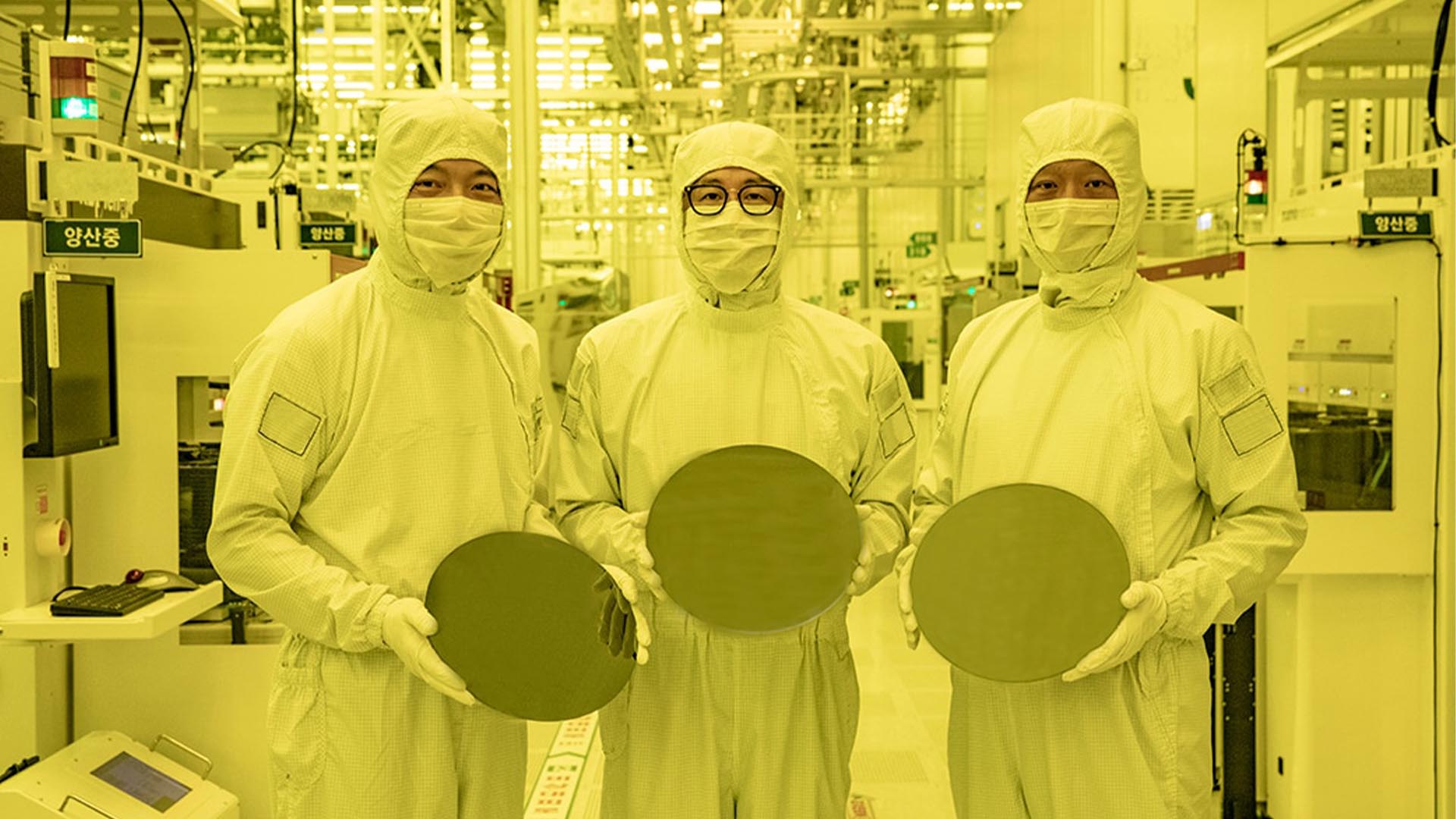
According to industry insiders, the initial production volume sits at just 15,000 wafers – a figure that points to a cautious start and possible concerns about poor yield rates.
When first whispers emerged about the Exynos 2600 entering full production, yields were estimated around 50 percent – an encouraging, if modest, start for a new lithography node. However, the most recent updates indicate that Samsung’s actual wafer count is significantly lower than anticipated. With only 15,000 wafers being processed, the math suggests that the chip might only appear in roughly 30 percent of Galaxy S26 units, far below the 50 percent integration target that had been floated earlier. For comparison, this leaves Qualcomm’s Snapdragon 8 Elite Gen 5 to power the majority of S26 models.
Sources familiar with Samsung’s internal roadmap describe the Exynos 2600 as ‘premature,’ echoing a growing sentiment that the company may have jumped into mass production too soon. Despite internal tests showing promising results – reportedly outperforming Apple’s A19 Pro and Snapdragon 8 Elite Gen 5 in some benchmarks – Samsung’s inability to stabilize yields has cast a shadow over those performance numbers. The 2nm GAA node represents a critical step for Samsung’s semiconductor ambitions, yet the complex technology is proving more stubborn than expected.
Analysts once speculated that even the Galaxy S26 Ultra would sport the Exynos 2600, but the latest insights make that outcome increasingly unlikely. Instead, it seems the Exynos 2600 will remain exclusive to select regional variants, much like its predecessors. Industry watchers note that Samsung’s decision to scale back production volume might be a strategic pause rather than a retreat – a chance to refine the process before ramping up in later quarters.
Adding another layer to this story, Samsung is also preparing pilot production for Tesla’s AI6 chip on the same 2nm GAA process. A company representative noted that their goal is to boost yields to 50 percent by the time AI6 production begins, a remark that indirectly confirms ongoing difficulties. Both the Exynos 2600 and Tesla’s AI6 are considered crucial test cases – reference designs that could help Samsung attract future partners, including Qualcomm, which is rumored to be evaluating 2nm GAA samples for its own Snapdragon 8 Elite Gen 5.
Despite the setbacks, industry observers say Samsung still has a long runway ahead. The 2nm race has only just begun, and even competitors like TSMC are navigating their own yield challenges. The Exynos 2600’s current limitations may slow Samsung’s momentum, but they also offer valuable data for improving future nodes. With patience and refinement, Samsung could yet emerge as a strong contender in the next wave of semiconductor manufacturing – though for now, the Exynos 2600’s full rollout across all Galaxy S26 models remains out of reach.
4 comments
Bro 15k wafers = millions of chips, but if half fail, that’s a real headache 😂
If they can’t get 2nm stable soon, TSMC gonna eat their lunch again
Lol Samsung rushing again. Same story every year, great hype, low yield
15k wafers sounds tiny tbh, that’s like a test batch not a mass prod run lol