The European Commission is moving toward a potential ban on Chinese telecommunications giants Huawei and ZTE within the European Union, which would send ripples through the region’s digital infrastructure. This initiative would not directly impact the consumer side of Huawei’s business, such as its smartphones and other consumer devices, at least for now. Instead, it targets the network hardware – antennas, routers, and the core systems that facilitate mobile and broadband services. 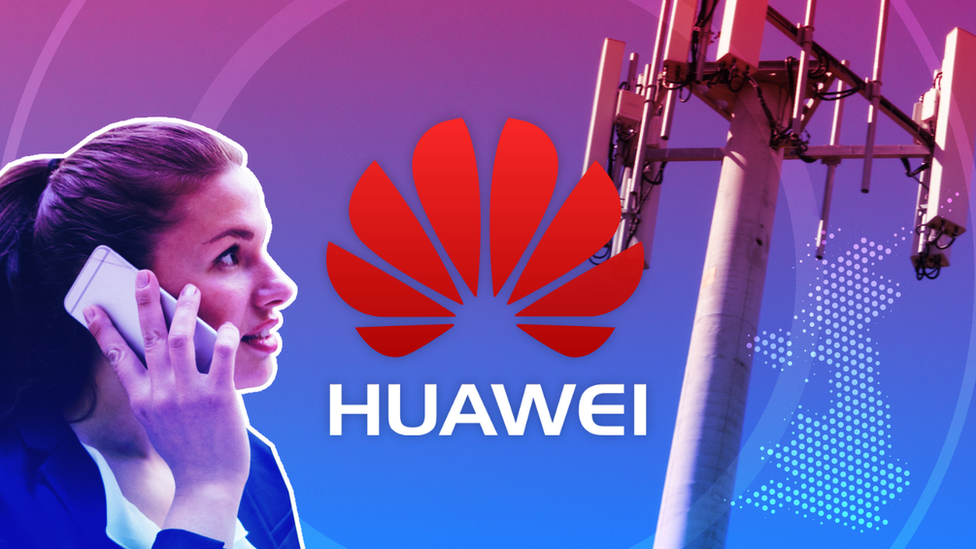
If the ban is enforced, Huawei and ZTE would be excluded from providing essential equipment for 5G and fixed-line networks across all EU member states.
As per Bloomberg, Commission Vice President Henna Virkkunen is spearheading this move, working to turn a 2020 recommendation into a binding legal mandate. This recommendation suggested that EU countries avoid using “high-risk” vendors, like Huawei, for the sensitive infrastructure underpinning mobile and broadband communications. If implemented, the proposal would create a unified legal framework, compelling all 27 EU nations to remove Huawei and ZTE from their networks or risk facing legal or financial consequences.
“The security of our 5G networks is crucial for our economy,” said European Commission spokesperson Thomas Regnier in November 2025. This move would drastically alter the landscape of telecom infrastructure, as such decisions have historically been in the hands of individual member states. However, by centralizing the decision-making process, the Commission seeks to curb national autonomy in supplier choice and enforce uniformity across the EU.
At the heart of this proposal is Europe’s mounting concern over the security of its 5G networks. The European Commission has grown increasingly wary of Chinese technology, particularly in light of Huawei’s perceived ties to the Chinese government. There is widespread fear that these connections could lead to espionage or even sabotage of critical national infrastructure. While national governments have traditionally been able to make their own decisions about which suppliers to work with, this new approach aims to reduce the region’s dependence on Chinese firms and ensure the security of its digital backbone.
The tension between Europe and China is intensifying. The Commission’s push comes amidst an ongoing geopolitical struggle, with China’s expanding technological influence seen as a growing concern. In the U.S., Huawei has already been subject to stringent restrictions since 2019. Europe’s potential ban marks one of the most substantial efforts to address these concerns, but it is not without controversy.
Critics argue that banning Huawei and ZTE could slow down Europe’s 5G rollout and increase costs. Huawei, in particular, has pushed back against the security narrative, describing these measures as politically motivated. The company contends that excluding Chinese vendors from the market will lead to higher expenses, ultimately impacting the speed at which Europe can deploy 5G networks.
On the global stage, the European Commission is also exploring ways to encourage other nations to follow suit. One proposal involves withholding key EU development funds from countries that continue to use Chinese telecom equipment in EU-supported projects, further tightening the pressure on global partners to align with the EU’s stance.
For the average consumer, this decision will not lead to Huawei smartphones disappearing from store shelves overnight. However, it does suggest that Huawei is gradually retreating from Western markets, focusing less on network equipment and looking for new avenues to sustain its business in Europe. If the ban goes through, Huawei’s European future could depend on how effectively it can pivot away from telecom infrastructure and strengthen its consumer-facing divisions.