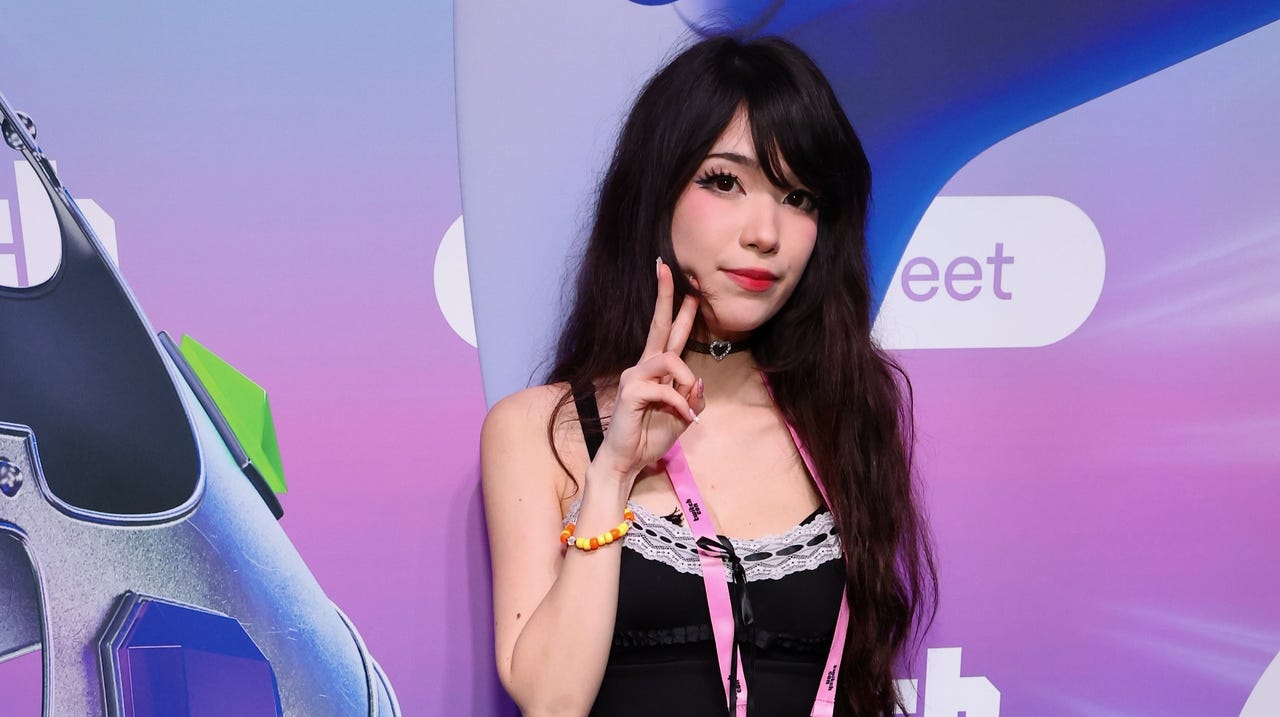
When Safety Fails: What the Emiru & TwitchCon Incident Reveals About Creators, Platforms and Live Events
On a Friday afternoon during TwitchCon 2025 in San Diego, an unsettling moment unfolded. Popular streamer and cosplayer Emiru (real name Emily-Beth Schunk) was participating in a meet-and-greet when a male attendee breached multiple barriers, grasped her face and attempted a forced kiss. The moment was caught on video and quickly spread across social media. The incident has since ignited a broader debate about the safety of creators at live events and the responsibilities of platforms like Twitch.
In the wake of the incident, Twitch’s CEO, Dan Clancy, issued a public apology: “We failed, both in allowing it to occur, and in our response following.” He pledged a comprehensive review of event safety, promising to examine sign-ups, crowd layout and increased security controls. But Emiru herself countered that the apology was not delivered directly to her, and that the original statement had not been issued in consultation with her. She expressed frustration that Twitch’s version of events – which claimed the assailant was immediately removed and law enforcement was engaged – was “a blatant lie.”
The Incident in Detail
The assault occurred during a scheduled meet-and-greet, amid what should have been a controlled environment at TwitchCon. According to Emiru and news reports, the man crossed several physical barriers before reaching her, and even brushed past another creator’s session. Her personal security intervened, but Twitch’s own staff reportedly did not act in a timely fashion. Emiru posted on X (formerly Twitter) that she was “shaken up” and “a lot more hurt and upset by how Twitch handled it during and after the fact.” :contentReference[oaicite:4]{index=4}
Twitch responded swiftly in public: they said the individual was banned indefinitely from the platform and from event access, and that law enforcement was cooperating. :contentReference[oaicite:5]{index=5} But Emiru maintained that the assailant was allowed to walk away, and that it was only after her manager pressed Twitch that the name was turned over to police – delaying any criminal investigation. She expressed concern for lesser-known creators, who might not have her resources to bring pressure on the company. The irony is painful: a marquee personality at one of the industry’s biggest gatherings can still feel neglected, and if this can happen to her, what hope is there for smaller streamers?
What Twitch Admitted
Clancy’s statement on Twitch’s official X account was blunt. “First, I want to be upfront and take accountability for the security incident … It shouldn’t have happened and we take that very seriously. We failed, both in allowing it to occur, and in our response following. We mismanaged our communications about the incident … I apologize to Emiru for all that took place.” :contentReference[oaicite:6]{index=6}
Alongside the apology, Twitch announced a review of their event security infrastructure: everything from meet-and-greet sign-ups, physical layouts, staffing and emergency response protocols. :contentReference[oaicite:7]{index=7} That admission marks a notable shift: previously Twitch had emphasised its trust & safety tools for streamers as being among the industry’s best – but acknowledged this incident revealed deep gaps.
Why the Response Felt Insufficient
From Emiru’s perspective, the apology feels hollow. She states she was never privately contacted or told beforehand that Twitch would issue a statement. In her live stream following the event, she explained: “I saw the Twitch tweet [on Friday] … I was never reached or apologized to privately. They put that out without consulting me.” She added: “More stuff’s been happening behind the scenes… Everything I said on my first stream was accurate except one thing – I was wrong about one thing. … What I was wrong about was they *were not* cooperating with law-enforcement investigations.”
In her account, the San Diego Police told her the next Monday that they could not proceed because Twitch would not turn over the assailant’s identity until a warrant was filed – a process that could drag on. “They basically said, ‘Hey we can’t really do anything right now because [Twitch] apparently knows the name of the guy, but they’re not giving it to us until a warrant goes through.’ … Twitch was trying to make sure the guy that assaulted me didn’t sue them, which meant the police were not able to work on the case right away.”
Meanwhile she said her manager got a tip the same weekend: someone matching the description visited his workplace and bragged, “oh, I’m travelling to Texas and I caused quite a stir at TwitchCon.” The manager repeatedly begged Twitch for the man’s name so he could protect Emiru locally. Only after that additional pressure did Twitch provide any cooperation – and Emiru says Twitch did *not* offer extra security at any time, her manager did so out of pocket.
She concluded: “It’s just crazy. I just never thought things like this would happen or I’d ever be doing a stream like this.” And in a stark statement of disillusionment: “I’m done with going to TwitchCon. Probably done entirely with convention streams.”
Broader Context: Creator Safety and Platform Accountability
The incident isn’t isolated. Earlier this year, Emiru and fellow streamers including Valkyrae and Cinna were stalked during a livestream at Pacific Park in Santa Monica. :contentReference[oaicite:10]{index=10} Other creators have opted out of TwitchCon altogether citing safety concerns. The convention itself has long been celebrated as a who’s-who of streaming culture, but the Emiru case suggests that star power alone cannot shield creators from physical risk or poor institutional response.
For platforms like Twitch, the stakes are high. The business model hinges on creator trust, community growth and monetisation through live events and online streams. But if creators feel unprotected – or that the platform will prioritise its liability rather than their safety – then that trust erodes. Donors, viewers and sponsors might also reconsider.
And for event organisers, the challenge lies in the intersection of fandom, physical access and digital culture. Meet-and-greets are meant to be direct touchpoints between fans and creators, but they also present high-risk moments: fans may misinterpret the access privilege or feel emboldened by the crowd. Without robust crowd control, staffing, clear messaging and contingency planning, these spaces can become dangerous. When an incident occurs and the public reaction is swift, platforms are forced into reactive mode instead of proactive prevention.
What Could Have Been Done Differently
Based on Emiru’s public commentary and the disclosed review aims, here are areas that needed – and still need – addressing:
- Pre-screening and access control: Ensuring that only authorised attendees can approach creators, with clear physical separation and crowd management.
- On-site security coordination: Dedicated staff for each meet-and-greet who know the protocols for breaches, not relying solely on the creator’s own team.
- Rapid incident escalation: If a boundary is crossed, swift intervention and detainment of the aggressor, plus notification to local law enforcement without delay.
- Transparent and creator-informed communication: Before public statements go out, affected creators should be consulted to avoid conflicting narratives.
- Post-incident follow-through: Beyond banning access, platforms should assist with legal follow-up, security for the creator and a clear timeline for actions taken.
What This Means for the Industry Going Forward
Emiru’s announcement that she will no longer attend TwitchCon is important. It sends a signal: if top-tier creators opt out of flagship events because they don’t feel safe, the ripple effects will hit attendance, sponsorships and the broader ecosystem. Equally, smaller streamers, who lack her name recognition and the resources to hire personal security, are even more vulnerable – raising questions about equity in creator safety.
Platforms will likely have to invest more in in-person security protocols and rethink how they view physical events as extensions of digital communities. The future of live-streaming conventions may well depend not just on flashy panels and meet-and-greets, but on *safe, trusted and inclusive* environments.
The incident also invites a broader cultural question: how fans treat creators in real-life settings, and how platforms define and enforce boundaries. The blurred line between “celebrity access” and personal safety needs clearer parameters. For creators, the mantra of “always being accessible” must be balanced against well-being, mental health and physical security.
Final Thoughts
The Emiru-TwitchCon debacle is more than one incident of harassment. It’s a tipping point. It forces a reckoning on how streaming platforms, event organisers and the creator economy as a whole address safety, trust and responsibility. When a company says “we failed, both in allowing it to occur and in our response,” as Twitch has, the real test will be in what *changes* they enact – not just what they promise.
For Emiru, this incident marks a new chapter. She challenged a giant platform publicly, exposed a gap in creator protection, and may reshape how other creators look at events and meet-and-greets. Whether Twitch and other platforms will step up in a meaningful way remains to be seen.
If you’re a creator planning a public event, or a platform promoting live interactions, the takeaway is clear: **safety is non-negotiable**. The next time a camera is on, the barriers, staffing, reporting lines and post-incident support all need to be staged *as seriously* as the livestream itself.
1 comment
I personally can’t wait until Hasan’s dog chimes in on the subject. I have a feeling their opinion on the matter will be shocking