Elon Musk’s move to create Tesla’s own semiconductor fabrication facilities isn’t just about keeping pace with the competition in the tech world. It’s about preparing for a much grander vision that extends beyond the automotive industry. While many have questioned his decision to venture into the chip manufacturing space, Musk’s goals seem to stem from a deeper concern regarding the future of chip supply and the geopolitical risks that accompany relying on other companies and foreign nations for vital resources. This significant decision was announced during a Tesla shareholder conference, where Musk revealed the company’s plans to build its own chip fabs, dubbed ‘TeraFab,’ to produce Tesla’s proprietary chips such as the AI5 and AI6. 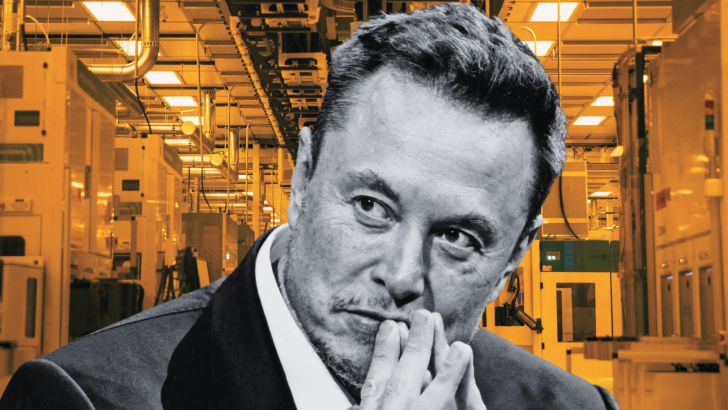
The move is driven by the need for custom silicon tailored specifically for Tesla’s growing demands, especially as the company continues to ramp up its electric vehicle production, AI capabilities, and autonomous driving technology.
Despite Tesla already securing production capacity with TSMC and Samsung for its custom chips, the reality remains that these arrangements are still insufficient to meet Tesla’s future needs. Both of these giants have committed portions of their production lines to Tesla’s chips, but the capacity provided falls short of what Musk envisions for the company’s rapid expansion. Musk has been vocal about the bottleneck Tesla is experiencing due to its reliance on external suppliers for such critical components. The question, then, becomes why Musk would go to the lengths of building Tesla’s own chip production facilities.
Prominent analyst Ming-Chi Kuo has suggested one of the driving forces behind Musk’s decision is his skepticism regarding the concentration of semiconductor production in Taiwan. Geopolitical uncertainties, especially regarding Taiwan, pose significant risks to global supply chains. TSMC, one of the world’s largest and most advanced semiconductor foundries, has attempted to alleviate these concerns by shifting some of its production capacity to the United States. However, this shift is expected to take years before it can bear fruit. Musk, on the other hand, prefers the stability and control that comes with having onshore chip manufacturing. By establishing its own semiconductor facilities in the U.S., Tesla would ensure a steady, reliable supply of chips, reducing its vulnerability to political tensions in Taiwan or any other global disruptions.
It’s important to understand that this decision isn’t about TSMC not wanting to support Tesla; after all, TSMC is known for accommodating a range of customers, including tech giants like Apple, NVIDIA, and Qualcomm. The issue arises when Tesla, a relatively newer and smaller player compared to these longstanding customers, finds itself lower on the priority list. This could result in less flexibility in R&D support and fewer options when it comes to adapting production timelines to meet Tesla’s specific needs. This lack of flexibility in production is a key factor behind Tesla’s decision to bring its chip manufacturing in-house. With control over its own chip fabs, Tesla would be able to direct how its silicon turns out, from performance to efficiency, ensuring that the chips are optimized for its own needs.
Building a semiconductor supply chain from scratch is no small feat, as even industry giants like Intel have faced challenges in establishing successful domestic chip production operations. However, if there’s one thing that sets Elon Musk apart, it’s his penchant for taking on the seemingly impossible. Whether it’s conquering the electric vehicle market or pushing the boundaries of space exploration, Musk has shown time and again that he’s not afraid of tackling bold and ambitious projects. So, while it may seem like a stretch to some, Musk’s bold move into the semiconductor industry could very well pay off for Tesla, positioning the company as a leader not just in electric vehicles but in chip innovation as well.
Ultimately, the decision to build chip fabs isn’t solely about gaining a competitive edge over companies like TSMC. It’s about safeguarding Tesla’s future by securing the vital resources needed for its ongoing and future technological developments. And if Musk and Tesla manage to crack the semiconductor puzzle, it could redefine the future of not just automotive technology, but of technology itself. Time will tell whether Musk’s gamble will pay off, but his track record suggests that anything is possible when he’s behind the wheel.
2 comments
Building chips? I guess Tesla’s not stopping at cars anymore 😂
If anyone can make this happen, it’s Elon. But it’s still a huge gamble