Todd Howard is asking fans to take a breath. The Elder Scrolls VI remains a marathon, not a sprint, and Bethesda Game Studios is deliberately pacing itself. In a new conversation that mostly celebrated Fallout 4’s anniversary, Howard preempted the obvious question: where is TES VI? His answer was frank – it is still a long way off – and paired with a message he has repeated inside the studio for years: patience serves the game. He even quipped that his dream scenario would be for the game to simply appear one day, fully formed, no countdowns required. 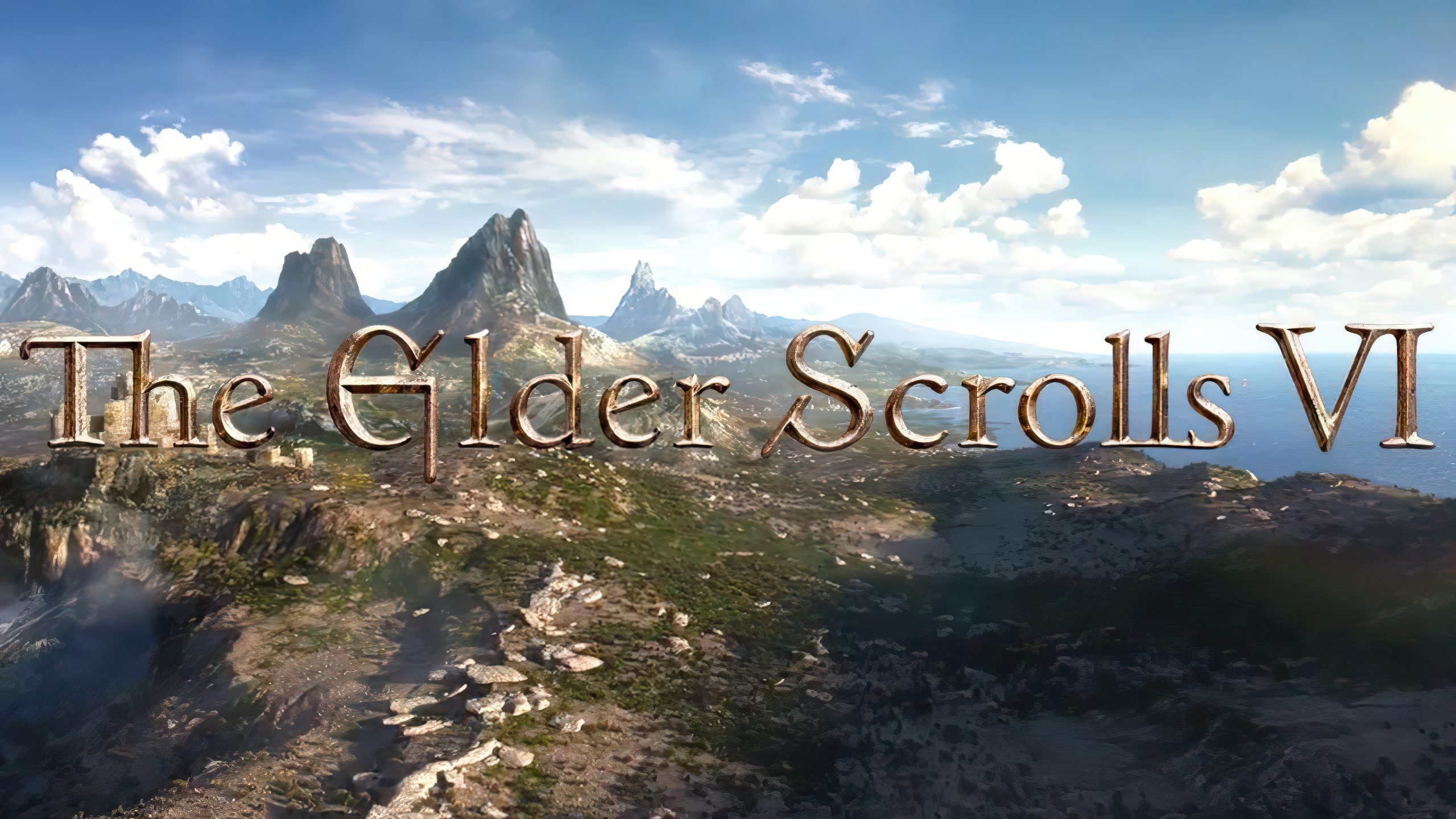
It is a romantic notion; reality, as he knows, is trickier.
Part of that reality is creative recovery. Skyrim’s 2011 launch rewired the genre and the studio. After living in Tamriel for so long, Bethesda needed to reset its muscles by shipping something in a radically different direction. Enter Starfield: a vast, systemic space RPG intended to prove out tools, workflows, and design ideas the team could later carry back to fantasy. That detour may frustrate fans eager for dragons and Daedric princes, but it also guards against a greatest-hits retread. Reinvention costs time; so does building pipelines fit for the next decade.
Howard mentioned a recent internal milestone: a big playtest. It is the kind of sit-down where you stop daydreaming and interrogate what is on the screen right now. In his words, great games are played, not made – the screen does not lie. That ethos matters. You can ship design docs forever; only hands-on play reveals friction, fun, and the thousand papercuts that make or break an RPG.
There have been rare community glances, too. Bethesda invited a small group tied to a Make-A-Wish fundraiser to honor a friend in-game, and previously let longtime Elder Scrolls archivists peek as well. These moments are not marketing beats so much as reminders that the series belongs to a living community. For many, The Elder Scrolls is not just a save file; it is a place they have visited for decades.
What about release strategy? Howard clearly loves the myth of the surprise drop, and he even joked that a recent stealth launch elsewhere could be read as a dry run. But if we are being realistic, a smart, compressed campaign seems more likely – think Fallout 4’s playbook: announce, show a lot, ship months later. That cadence balances hype with focus, avoids the multi-year trailer treadmill, and lets the game change meaningfully between reveal and release without public whiplash.
Speculation on timing is unavoidable. The safe framing is late-2027 at the earliest, drifting into the first half of 2028 if the studio prioritizes polish, platform stability, and a massive day-one content footprint. That window would also line up with platform cycles, giving Bethesda room to optimize for fewer compromises and to ensure the modding foundation – a pillar of the series’ longevity – launches strong.
Fans, for their part, are split between excitement and cynicism. Some worry about engine heritage and loading seams. Others fear a premium price and day-one quirks, assuming modders will once again smooth the rough edges. These concerns are not baseless; they are the scars of a decade of big, ambitious RPGs across the industry. But Bethesda’s recent emphasis on longer internal testing, cross-discipline reviews, and letting the game bake suggests a studio trying to learn in public – and willing to hold the line on calendars if the build says wait.
There is also the culture conversation: keep the politics out, keep the magic in. The healthiest read is simpler – keep the focus on worldbuilding, simulation depth, and quest craftsmanship that make The Elder Scrolls sing. Lean into factions that interlock, AI schedules that surprise, and handcrafted spaces that reward curiosity. If TES VI doubles down on player agency and systemic reactivity, discourse will take a back seat to discovery.
What should watchers look for next? Tell-tale signs include ratings board filings, soundtrack or art book listings, collector’s edition leaks, updated support pages, and an unusually dense burst of gameplay slices rather than cinematic teasers. If you see a reveal that is almost boring in how much raw playtime it shows, that is a good omen: confidence.
Until then, the most honest update is also the least dramatic. The team is playing, measuring, cutting, and rebuilding. If The Elder Scrolls VI emerges later rather than sooner because the screen told them to wait, that is not a delay; it is design doing its job. When the compass finally lights up, Tamriel’s next chapter should feel like a destination worth the journey.