EA has doubled down on its stance that Battlefield 6 will remain untouched by generative AI – at least for now – even as the technology continues to seduce the gaming industry with promises of faster, cheaper development and limitless creativity.
In an era where AI can generate art, dialogue, and even entire game worlds, major publishers are navigating a delicate balance between innovation and authenticity. 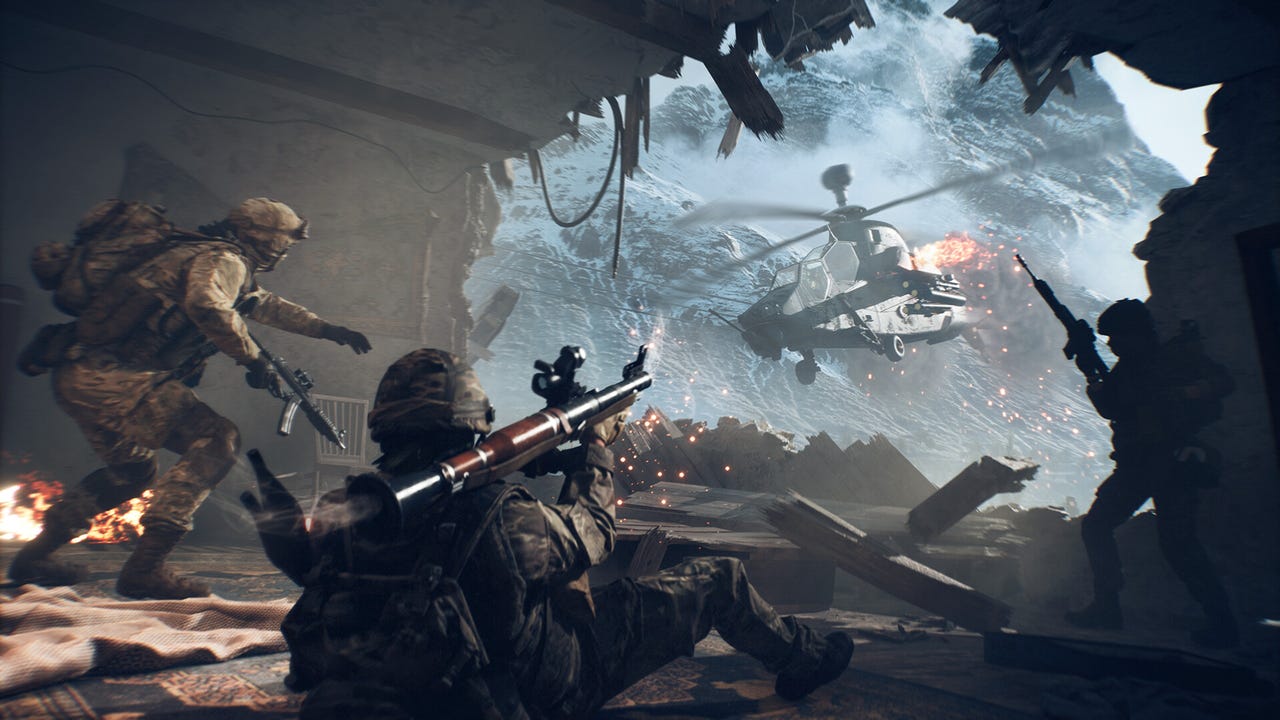
Electronic Arts, recently acquired for a massive $55 billion and under pressure from its new private owners, is no stranger to that balancing act. CEO Andrew Wilson has already declared that AI lies ‘at the very core’ of EA’s business strategy. Yet, when it comes to one of its most iconic franchises, Battlefield, the company appears to be exercising unusual restraint.
Rebecka Coutaz, general manager of DICE (the Swedish studio behind Battlefield) and Criterion in the UK, told the BBC that while generative AI is ‘very seducing,’ it’s not something developers can yet integrate into their daily workflows without compromising quality or control. ‘Right now, we can’t make it work the way we want to,’ she explained. However, she acknowledged that AI does play a role in preliminary stages – helping to clear creative bottlenecks and free up human developers to focus on the artistic aspects of the game. ‘It allows more time and more space to be creative,’ she said.
That approach sets Battlefield apart from competitors such as Activision’s Call of Duty franchise, which has found itself in multiple controversies related to AI-generated content. The infamous six-fingered zombie Santa bundle was one such embarrassment, emblematic of how careless AI use can undermine a studio’s credibility. Valve’s updated policy now requires AI content disclosures on Steam, forcing Activision to add one for Black Ops 6 earlier this year – a move that immediately fueled speculation among players.
By contrast, the Steam page for Battlefield 6 has no such disclosure. For fans wary of algorithmic assets sneaking into their games, that absence speaks volumes. Coutaz’s comments suggest a cautious, human-first philosophy, emphasizing that every piece of in-game content remains manually crafted, reviewed, and refined by developers.
Interestingly, Activision itself has admitted to some AI slip-ups. Treyarch’s associate creative director, Miles Leslie, told IGN that generative AI images made their way into Black Ops 6 ‘by accident.’ He emphasized that while the studio uses AI as an internal tool for brainstorming and iteration, ‘everything you play is human-created and touched.’ Leslie summed up the dilemma succinctly: ‘We’re not trying to replace our artists – we’re trying to streamline their work.’
The key difference between the two gaming giants lies not in their access to technology but in their philosophy of deployment. EA’s Battlefield Studios seem determined to ensure that AI serves as a support tool rather than a creative substitute. However, with its new ownership pushing efficiency and innovation, the question looms: how long can that position hold?
Even Coutaz hinted at future possibilities, saying, ‘If we can break the magic with AI, it will help us be more innovative and more creative.’ Her statement suggests that while Battlefield 6 may remain an all-human creation, future titles might not be as untouched by machine learning. For now, though, fans can rest easy knowing that the explosions, maps, and chaos they’ll experience are crafted by human hands – not by code trained on a billion scraped images.
The broader debate over AI in gaming goes far beyond shooter franchises. Nintendo recently made headlines when CEO Shuntaro Furukawa addressed AI’s role in content creation, after OpenAI’s Sam Altman described Sora 2 fan-made clips as ‘interactive fan fiction.’ The Pokémon Company also weighed in after its characters were misused in AI-generated government videos, clarifying that it never authorized such use. The message across the industry is clear: while AI opens new doors, it also creates new risks – legal, ethical, and creative alike.
For players, the conversation reflects a generational shift in how we define artistry and authorship in games. Some welcome AI tools as the next logical step in game development’s evolution; others fear a future where passion is replaced by probability models. But in the case of Battlefield 6, EA seems to understand that its warzones thrive on human emotion – not algorithmic efficiency. Whether that principle endures amid growing industry pressure will determine not only the soul of Battlefield but perhaps the future of gaming itself.
4 comments
good on EA for keeping humans in the loop, feels more authentic imo
companies are scared cuz if they use generative AI they might not even own the stuff it makes 💀
honestly i don’t care as long as the game looks good and runs smooth 😅
using AI to assist devs is fine, just don’t make it soulless like some AI art trash i’ve seen