Doctor Who is once again at the center of debate – not because of a new monster or a shocking regeneration twist, but due to a sharp exchange between two people who helped shape the show’s modern identity. Executive producer Jane Tranter, co-founder of Bad Wolf productions, has fired back at claims from writer Robert Shearman that the beloved British sci-fi is now “as dead as we’ve ever known it.” Tranter’s response was clear: the rumors of the Doctor’s demise are greatly exaggerated – though she admits the show’s future will look quite different when it eventually returns.
Speaking on BBC Radio Wales, Tranter described Shearman’s remarks as “really rude” and “really untrue.” The producer emphasized that the partnership between BBC Studios and Disney+ is still active, with a 26-episode deal that includes both the main series and the upcoming spin-off, The War Between The Land And The Sea. “We’re 21 episodes in,” she explained, “with five more to come.” After that, major creative decisions will be made about where the franchise travels next – a statement that seems both optimistic and uncertain, depending on how one reads between the lines.
Shearman, known for writing the acclaimed 2005 episode Dalek, had sparked controversy earlier this month when he claimed that the current production halt represented the show’s lowest ebb. 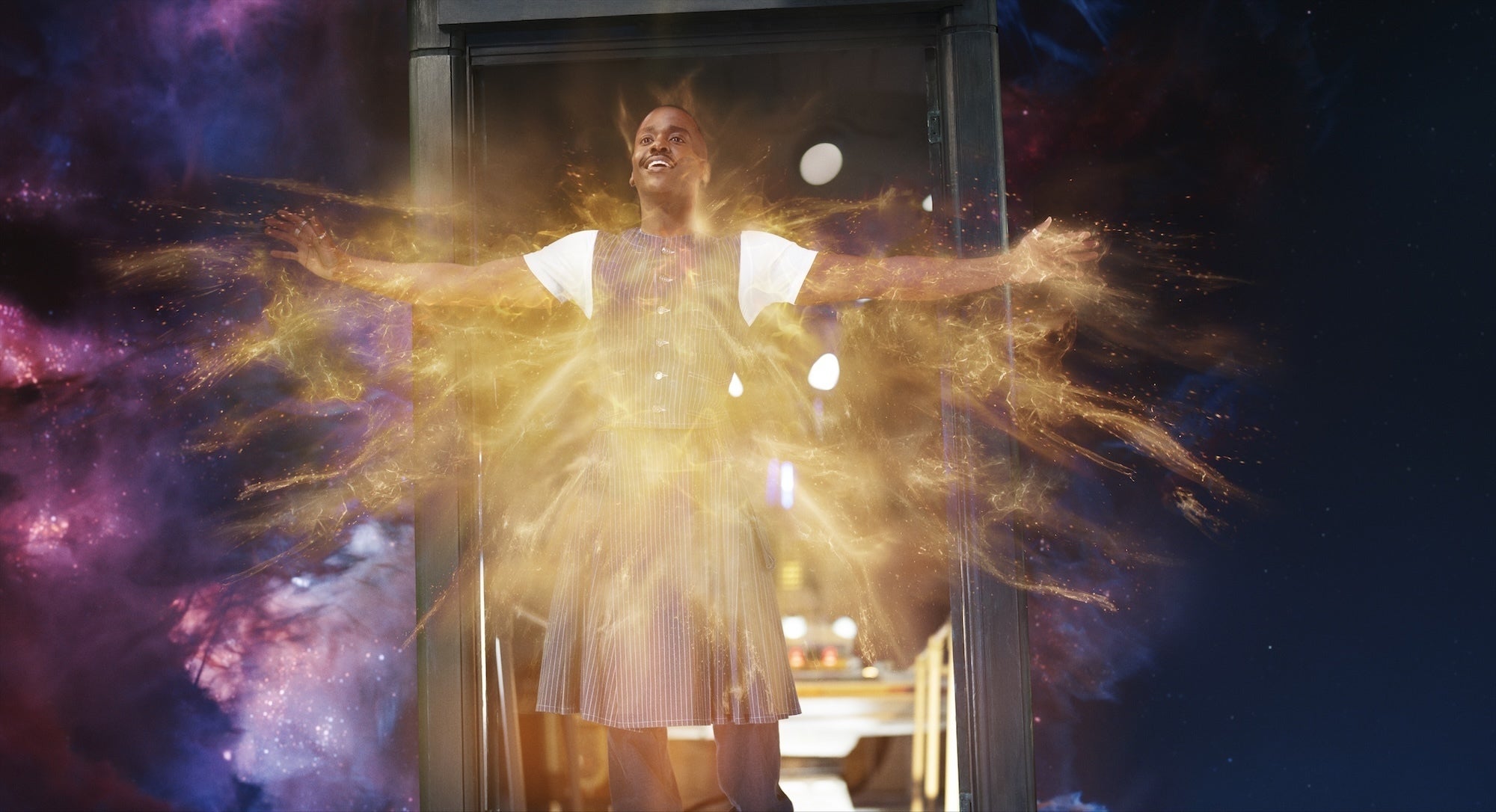
His comments came after the season finale, which stunned fans with the unexpected return of Billie Piper. Her brief appearance – framed as a mysterious new incarnation of the Doctor – was reportedly a last-minute addition by showrunner Russell T Davies. The ambiguity of her scene has left the show’s continuity dangling in midair, with fans unsure what’s next for the Whoniverse.
But the uncertainty doesn’t end there. While the Disney deal gave Doctor Who a global platform, it also tied its fate to corporate scheduling. The promised “annual Doctor Who, no gap years” era that Davies announced in 2023 now appears to be faltering. There’s been no release date for The War Between The Land And The Sea, and whispers suggest that the main show could remain off-air for years if Disney opts not to renew its contract. Industry veteran Tom Spilsbury, former editor of Doctor Who Magazine, even speculated that the Time Lord might not return before the decade’s end if new funding arrangements are needed.
“Television is moving slower than ever,” Spilsbury wrote earlier this year. “If Disney walks away, the BBC would need to start shopping the show around – a process that could take months, maybe years, depending on who’s willing to finance it.” That uncertainty, paired with Ncuti Gatwa’s confirmed departure and ongoing fan disillusionment, has left many wondering if the TARDIS has finally run out of power.
Tranter, however, insists the franchise’s legacy guarantees its eventual return – just not in the form fans might expect. “It’s a 60-year-old series,” she noted. “It’s been running non-stop since 2005. Of course it’s going to change. Nothing this old stays the same, and it shouldn’t. The Doctor will come back, but everyone – including me – just has to wait patiently to see when and who.” Her words hint at both transformation and uncertainty: a promise that Doctor Who isn’t dead, but rather cocooned, waiting for regeneration.
For longtime fans, the debate cuts deep. Many feel that recent seasons lost the emotional clarity and tight storytelling that defined the show’s golden years under David Tennant and Steven Moffat. The problem, they argue, isn’t the Doctor or even the budget – it’s the writing. “They’ve forgotten how to balance heart with adventure,” says one critic. “We used to care about the companions. Now, every episode feels like a setup for the next multiverse twist.” Others blame a broader cultural fatigue: audiences have been spoiled by high-end sci-fi like Andor, Severance, Fallout, and Silo – series that push character depth and moral tension far beyond the BBC’s family-friendly boundaries.
Yet, even among detractors, there’s affection for what Doctor Who represents: an ever-evolving story about hope, change, and human curiosity. For some, the very fact that people still argue so passionately about its fate proves it’s alive. Whether the next regeneration will restore that sense of wonder or merely recycle nostalgia is the question haunting Gallifrey today. Tranter’s final message is both a rebuke and a reassurance: the show may rest, but it will rise again – different, maybe stranger, but always unmistakably Doctor Who.
1 comment
They’ve killed off everything that made the show special. It’s like they hate classic sci-fi energy and just want to ‘modernize’ it into dust