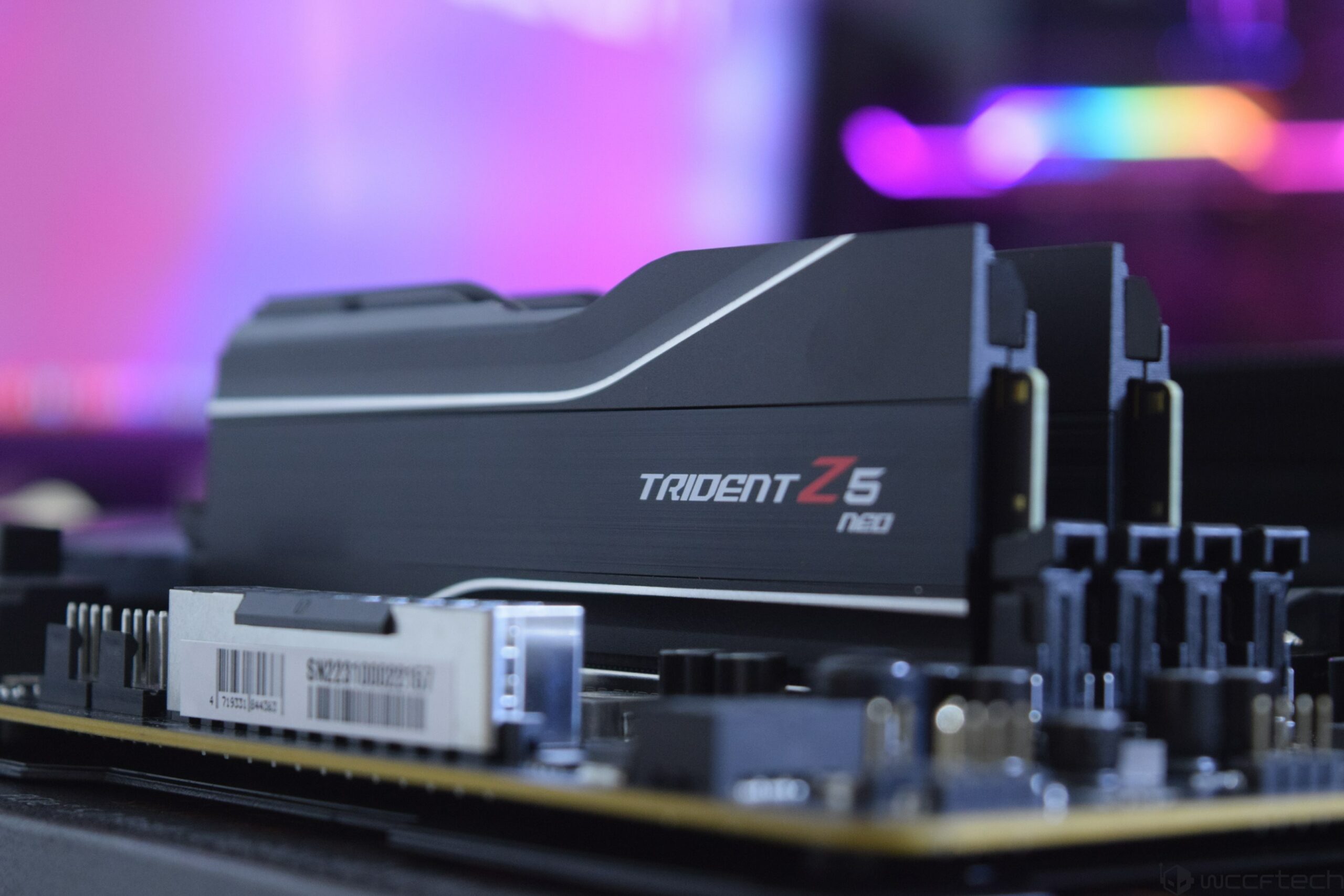
DDR5 RAM shortages push distributors into forced motherboard bundles
The global memory market has slipped into yet another wave of shortages, but this time it is not just prices that are climbing. In Taiwan, several distributors are reportedly refusing to sell standalone DDR5 modules at all, insisting that every stick of RAM leaves the warehouse paired with a new motherboard. For anyone who only wanted to bump their gaming PC from 16 GB to 32 GB, being told to drag home a whole new board as well feels less like a promotion and more like a hostage situation.
Bundling is not a new trick. Enthusiasts have already lived through so called combo deals where high demand hardware such as Ryzen 7 9800X3D CPUs or the latest GPUs could only be bought together with a specific motherboard or power supply. The difference now is that the practice appears to be moving deeper into the supply chain. Instead of a retailer offering a limited time, maybe slightly overpriced bundle, distributors are allegedly setting an unofficial rule: one DDR5 module, one board in the same cart, take it or leave it.
The timing is suspicious. The PC platform is heading into another transition, with fresh CPU generations and new chipsets waiting in the wings. That leaves warehouses full of older socket boards that will get harder to move once shiny Arrow Lake and other platforms grab the headlines. For distributors, forcing RAM buyers to adopt a board as well is an easy way to sweep aging inventory out the door and dress it up as a deal. For actual customers, especially those happy with their current platform, it is just extra cost and extra e waste.
Defenders of these bundles sometimes argue that such policies can slow down scalpers and large resellers that try to hoard hot components, whether that is DDR5 today or graphics cards yesterday. There is a grain of truth in that argument; buying ten motherboards just to flip ten RAM kits on an auction site is a lot less attractive than purchasing ten loose sticks. But anti scalping measures that punish regular buyers more than bad actors quickly lose all credibility. Most people who are upgrading a rig are not building an entire new machine and do not want to pay for parts that will never even be unboxed.
The result is a market stuck in a weird panic buying loop. Memory prices have already spiked, and stories of forced bundles only add to the sense that if you do not grab your RAM now you might miss your window. Some enthusiasts who already jumped to 32 GB or 64 GB on AM5 platforms are quietly relieved, watching the storm from a safe distance. Others are trying to stretch aging DDR3 or early DDR4 systems as long as possible, nursing decade old machines, refurbishing ultrabooks from 2012 and even turning retired sticks into wall decorations rather than participating in another expensive upgrade cycle.
If all of this feels familiar, it is because we have seen the same pattern around GPU launches. Prices float far above MSRP at launch, then finally begin to drift down to something reasonable, only for a new shock to hit the supply chain. A sudden shortage, a new round of mining, a vendor cornering a supply of memory chips for AI accelerators; something always seems to arrive just in time to keep the inflation going. Gamers joke that the only winning move is to buy hardware during brief Black Friday windows when prices line up with reality for a weekend and then ignore the market again for five or six years.
Motherboard makers and big brands are not innocent in this story either. Companies that ship both boards and memory have every incentive to smile quietly while distributors push forced combos. If selling DDR5 requires also moving a stack of socket 1851 boards, that looks great in quarterly motherboard numbers, even if many of those boards end up collecting dust in closets. It is not hard to imagine more vendors experimenting with official RAM plus board bundles if the Taiwanese example proves profitable.
For PC users, the lesson is uncomfortable but clear. Whenever possible, plan upgrades ahead of hype cycles and platform launches, buy parts when supply is boring rather than when panic is in the air, and be skeptical of any bundle that does not save meaningful money. There are still ways to squeeze more life out of old rigs, whether that is dropping in a used DDR4 kit, moving to a leaner operating system, or simply accepting that a solid mid range GPU and 32 GB of RAM will remain perfectly usable for years. The more consumers refuse to play along with artificial scarcity and forced add ons, the harder it becomes for the supply chain to treat basic components like luxury collectibles.
In the meantime, the DDR5 shortage has turned what should be a simple upgrade into a case study in how fragile and opportunistic the PC hardware market can be. The hope is that this forced motherboard pairing trend burns out quickly and stays contained. If it spreads, buying a humble memory stick could become as strategic and stressful as hunting for a flagship GPU, and that is a future no gamer is asking for.
1 comment
lol imagine going in for 32gb ram and the dude at the counter is like nah bro take this random mobo too 😂