DayZ creator Dean Hall is no stranger to technological disruption. Having watched the Internet reshape the world in real time, he says the panic around artificial intelligence feels strikingly familiar. In a recent interview about his studio’s survival title ICARUS, Hall drew a parallel between today’s AI anxiety and the moral panic that erupted when Google and Wikipedia first appeared. 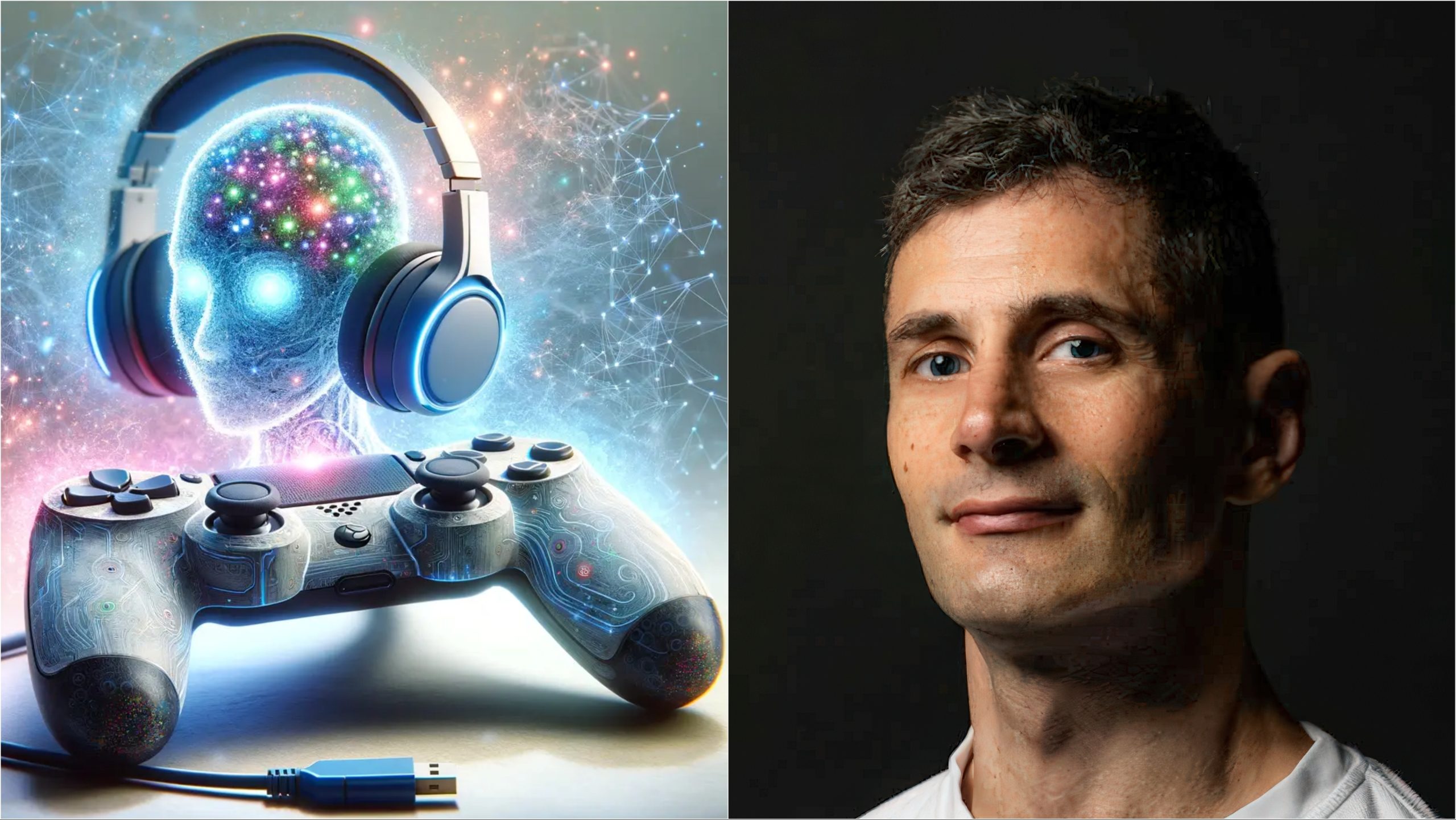
Back then, people feared the death of knowledge. Today, they fear the death of creativity.
“It feels a little bit like déjà vu,” Hall reflected. “I remember when adults thought Wikipedia would destroy learning and Google would make us stupid. Yet, we adapted – and now we can’t live without them.” For Hall, the current hysteria around AI follows the same pattern. He believes AI is not something humanity can stop or ignore; it’s something we must learn to live and work alongside. “Regardless of what we do,” he said, “AI is here.”
While giants like Microsoft, EA, and Amazon pour millions into automating workflows – often at the cost of human jobs – smaller studios like Hall’s RocketWerkz take a more measured approach. Hall revealed that ICARUS itself remains hand-built by the team. “We handcraft our maps and experiences,” he said. “We like to say games are played, not made. There’s beauty in crafting worlds manually, in sketching ideas on a whiteboard and watching them come to life.”
That doesn’t mean RocketWerkz ignores AI entirely. The team uses AI as a coding assistant on other projects – feeding it their codebase so developers can query and understand large, complex systems more efficiently. “It’s like having a super-knowledgeable assistant that remembers everything you’ve ever written,” Hall explained. But he also cautions that the technology isn’t ready to replace real engineers or designers. “We’re not at the point where it can build a game for us. It can help, but it can’t dream.”
Other developers are divided on the issue. Masahiro Sakurai, the visionary behind Super Smash Bros., views generative AI as a practical aid that can make massive game productions more manageable. Hideo Kojima sees it as a tool for freeing creative minds from mundane tasks so they can focus on innovation. Meanwhile, indie developers like Richard Pillosu from Epictellers Entertainment reject it altogether, claiming that true creativity cannot coexist with machine-generated ideas. This spectrum of opinions underscores how unsettled the gaming world remains about AI’s role.
Still, Hall’s balanced stance – embracing AI as a tool but not a replacement – feels refreshingly pragmatic. “AI is inevitable,” he emphasized. “The question isn’t whether we use it, but how.” It’s an approach rooted in experience. Hall’s career, from DayZ’s emergence as a viral phenomenon to his current work at RocketWerkz, has always been about experimentation. He sees AI as another frontier, one that must be handled with both excitement and caution.
As the debate intensifies, another familiar name has entered the conversation: Elon Musk. His company xAI has announced plans to develop a fully AI-generated video game before next year’s end. The idea has been met with skepticism and awe alike – some see it as visionary, others as a reckless publicity stunt. But it undeniably marks a new stage in AI’s evolution, where even the act of creation itself may soon be automated.
For Hall, however, the heart of game development remains human. “We make worlds for players to feel something,” he said. “That spark – that emotional connection – isn’t code. It’s craft.”
His perspective resonates amid growing unease. Some fear AI could one day design not just levels, but entire universes, leaving human developers redundant. Others worry about darker implications: if AI learns to code, create, and adapt, what stops it from evolving uncontrollably? Hall’s reassurance offers a grounded reminder that technology’s trajectory has always been shaped by human intent. “When Google and Wikipedia came,” he said, “we found ways to use them to expand human potential. The same can happen with AI – if we choose wisely.”
In a world racing toward automation, Hall’s words serve as both a warning and a challenge: AI isn’t the end of human creativity – it’s the next test of it.