When Marvel first announced Daredevil: Born Again, many viewers braced for a clean slate. What they actually got was something stranger: a series that started life as a hard reboot, morphed mid-production into a revival of the beloved Netflix show, and landed as a stitched-together experiment that fans now describe as a Frankenstein season. 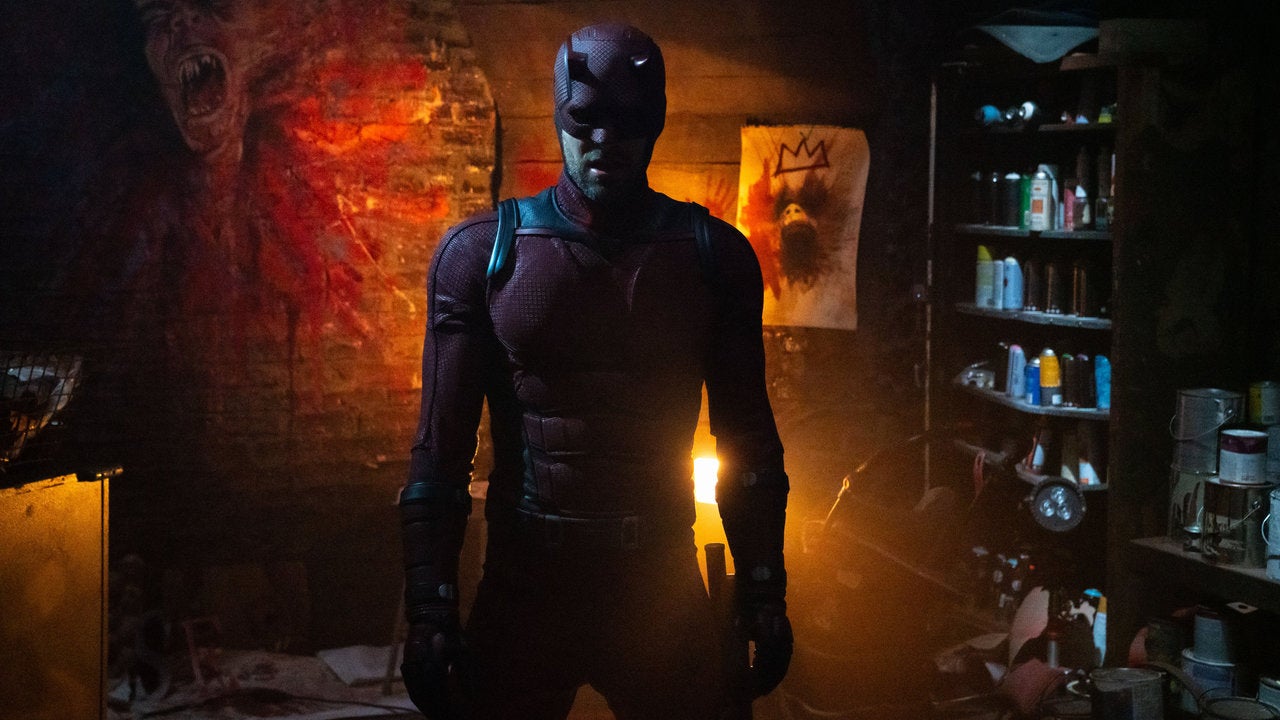
With season two, the creatives behind Born Again insist that the surgery is over. Producer Sana Amanat describes the new run as genuinely liberating, the first time the team could build a story for Matt Murdock and Wilson Fisk without having to rescue footage from a scrapped idea at the same time.
Season one was born out of a bold but risky pitch. Marvel initially wanted a legal procedural with Matt Murdock handling a fresh case each week, disconnected from his blood-soaked past on Netflix. On paper, that reset made sense for a studio eager to streamline continuity. In practice, early cuts reportedly felt like they had evacuated the soul of Daredevil. The tone drifted, the structure leaned too heavily on standalone plots, and the show barely acknowledged the history that made fans fall in love with Charlie Cox and Vincent D’Onofrio in the first place.
That is when Marvel hit the brakes. A new pilot and finale were ordered. Key supporting players from the Netflix era, including Karen Page and Foggy Nelson, were brought back into the orbit of Hell’s Kitchen. The series quietly shifted from pure reboot to something closer to a revival. The problem, as many viewers noticed, was that the two versions of the show never fully fused. You could feel where scenes from the earlier, more detached legal drama had been preserved and where the tone lurched back toward the grim, street-level opera that defined the original run.
The result was a debut that some fans defended as simply more Daredevil in any form, while others found it rocky to say the least. Storylines seemed to evaporate midstream: threads around side villains, heists, and supporting antiheroes either fizzled out or resolved in ways that felt rushed. There were moments of striking violence and character work, but they sat alongside choices that viewers still mock in comment sections, from awkward guard-luring sequences to sudden detours that never quite paid off. For every fan saying they would take any Daredevil over none, there was another bluntly declaring that the first season of the new show just did not work.
Season two, however, is being built without that baggage. Amanat describes the creative space on the new run as a wide-open landscape. This time, the writers are not trying to retrofit old footage or reverse a doomed concept. They are starting from a place Marvel has now publicly embraced: Daredevil: Born Again should honor the Netflix incarnation, not ignore it. Writer Jesse Wigutow has been clear that the series is now designed to be aligned with the original show, rather than pretending it never existed. That does not mean a beat-for-beat recreation, but it does signal a commitment to the bruised, morally tangled tone that made the character stand out in the first place.
That shift will be felt most directly through Wilson Fisk. Season two positions D’Onofrio’s Kingpin not simply as the man pulling strings in the shadows, but as the mayor of New York City, wielding state power with the same ruthlessness he once brought to organized crime. Amanat frames the new season around a simple but potent question: what happens when a man whose hunger is never satisfied finally gets everything he thinks he wants? If Fisk sees the city itself as his treasured prize, does that calm his rage or twist it into something even more dangerous?
Wigutow has described the story as a big, muscular season rooted in political and palace intrigue. That choice turns Born Again into something more than just another costumed hero show: a street-level political thriller in which backroom deals, corrupt institutions, and the weaponization of power drive the tension as much as fists and billy clubs. The canvas is wide, filled with moving pieces across New York, but the writers insist it keeps narrowing back to two faces at the center of it all: Matt Murdock and Wilson Fisk, locked in the kind of toxic orbit where they loathe one another, yet define each other.
It is an approach that resonates with long-time fans who always saw Daredevil as a story about obsession and dependency as much as justice. The creative team describes the heart of season two as almost like placing Matt and Fisk alone in a playground, forced to confront how much their identities are shaped by their conflict. If they hate each other and yet need each other, what happens when the stakes are raised to the level of city-wide governance and public trust? That psychological duel is where Born Again seems confident it can move beyond the structural issues that weighed down its first season.
The Netflix legacy will be reinforced in another way: by pulling Jessica Jones back into the mix. Krysten Ritter’s hard-drinking, razor-tongued private investigator returns as a natural fit for the story the show wants to tell. Amanat highlights how personal her reappearance feels, not as fan-service cameo but as a character whose perspective cuts straight through the drama. Daredevil can sink into suffocating darkness; Jessica brings an edge and a wry lightness that slices through the nonsense. Her presence promises friction, gallows humor, and a reminder that this corner of the Marvel universe works best when its heroes feel like damaged, complicated adults scraping by in the same broken city.
At the same time, there is a quiet tension humming beneath all these promises. Long-time Marvel viewers have heard variations of the same reassurance before: do not worry, the next season, the next film, the next phase is where it really comes together. Fans are understandably wary of turning every bold claim about creative freedom into free advertising. Some are excited simply to get more time with Cox and D’Onofrio, actors many cannot imagine being replaced. Others worry that talk of being liberated might signal a new attempt to reinvent the wheel, with showrunners trying to make the property their own in ways that forget what worked in the first place.
That skepticism is wrapped up in smaller, more specific anxieties too. The fight choreography in the Netflix era, anchored by an iconic stunt team, set a high bar that Born Again has struggled to meet consistently. Viewers are already asking whether the visceral, hallway-brawl intensity can return, or whether season two will feel too clean and digital in comparison. Some fans are obsessing over hints of darker costumes and possible Shadowland-style nods, hoping that the visual language of the show leans back into the grimy Catholic noir that once made Daredevil feel like a prestige drama that just happened to feature a superhero.
Marvel, for its part, is signaling long-term confidence. Daredevil: Born Again has already been renewed for a third season, with that follow-up slated for 2027, while season two is scheduled to arrive on Disney Plus on 4 March 2026. For a series that some viewers literally forgot existed between release waves, that early renewal is a clear bet that the character still matters in the broader Marvel tapestry. It is also a tacit admission that the first season was only the first draft of what Born Again is supposed to be.
If the new episodes can weave their political thriller ambitions together with grounded action, honor the emotional DNA of the Netflix series, and give space for returning figures like Jessica Jones to crack open the mood, Daredevil: Born Again season two has a real chance to move from curiosity to cornerstone. The show is no longer trying to escape its past; it is choosing to grow from it. After a rocky, Franken-stitched beginning, that alone feels like a story worth watching play out in the alleys and offices of Marvel’s New York.
2 comments
Sorry fanboys but the first season of the ‘new’ show was trash. If S2 really fixes it, awesome, but let’s not rewrite history like it didn’t suck
Wild how this might end up being the only actually good Marvel show and yet like 10 people will care about it outside the hardcore fans