China orders Apple to remove Blued and Finka from its China App Store: what happened, why it matters, and what comes next
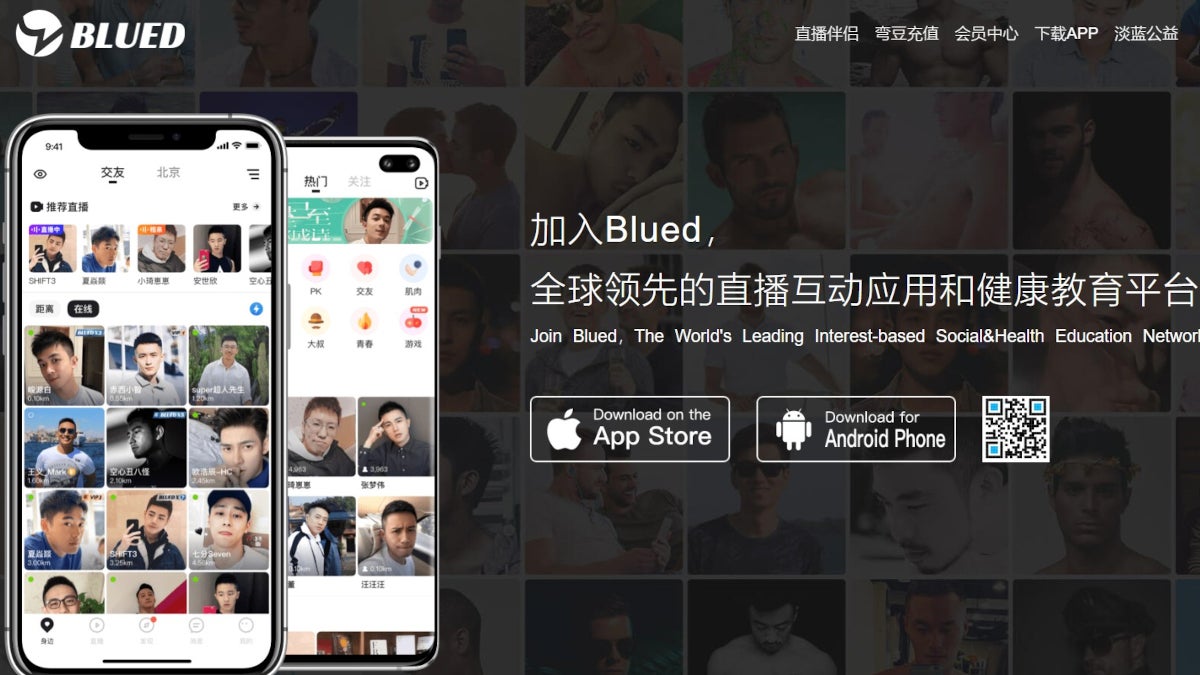
Apple has confirmed that it pulled two of China’s most prominent gay dating apps – Blued and Finka – from the China version of the App Store after receiving an order from the Cyberspace Administration of China (CAC), the country’s powerful internet regulator and censor. Over the weekend, Chinese social platforms lit up with posts noting that the apps no longer appeared in local store searches; users also reported that listings had vanished on Google Play. Crucially, people who already had the apps installed can still open and use them for now, even as new downloads have been blocked.
Apple’s rationale and the scope of the takedown
In a brief statement, Apple said it follows the laws of the countries where it operates and removed the apps from the China storefront only pursuant to a CAC directive. The company also pointed out some prior availability changes: earlier this year, Finka’s developer chose to remove the app from storefronts outside China, while Blued had already been offered only in China. In other words, the immediate change targets the mainland marketplace rather than a global withdrawal.
A tightening climate for LGBTQ+ platforms
China decriminalized homosexuality in the 1990s, but same-sex marriage is not recognized, and the space for LGBTQ+ organizations and media has narrowed in recent years. Multiple advocacy groups have shut down, and social accounts discussing LGBTQ+ topics have faced moderation or outright takedowns. Most international LGBTQ+ dating apps have already disappeared from the Chinese App Store – Grindr, for instance, was removed in 2022 – leaving a small number of domestic platforms to serve a large community. Against that backdrop, the removal of Blued and Finka marks a significant moment for queer digital life in the country.
Signals that something was shifting
There were hints that turbulence was coming. In July, Blued quietly paused new account registrations for about a month without publicly explaining why. During that window, demand was so strong that some would-be users reportedly paid around $20 for second-hand accounts. Registrations resumed in August, but the temporary freeze suggested heightened scrutiny or internal realignments ahead of the present enforcement action.
Who’s who: Blued, Finka, and their corporate lineage
Launched in China, Blued grew into one of the world’s largest gay social platforms. By 2020 it reported more than 49 million registered users and over 6 million monthly active users. That same year, Blued’s parent company BlueCity announced it would acquire rival Finka for roughly $33 million – an effort to consolidate audience and broaden features across live streaming, dating, and community tools. BlueCity, which listed publicly in 2020, was delisted two years later and then acquired by Hong Kong–listed social media firm Newborn Town, reshaping the corporate structure behind the apps.
International spinoffs and where the apps are still available
Outside China, Blued went through a rebrand in 2024: its international version became HeeSay, which has since found traction in India, Pakistan, and the Philippines. HeeSay remains available in some overseas stores – including in the United States on both the App Store and Google Play – illustrating how the same underlying community can be fragmented by jurisdictional rules and storefront boundaries. Meanwhile, in mainland China, users who already have Blued or Finka installed can still log in and interact, but new downloads are blocked and future updates may stall unless the listings return.
Is the removal permanent?
That is still unclear. China’s regulators sometimes remove apps temporarily and allow relisting after companies implement requested changes – ranging from intensified content moderation to revised data-handling disclosures or adjusted in-app features. Neither Apple nor the CAC has provided a timeline or conditions for reinstatement. For the moment, both apps are unavailable to new users on the China storefront.
Why this matters beyond the app icons
The decision reverberates across three layers. First, for LGBTQ+ communities, losing official access channels makes it harder for newcomers to discover safe spaces and for existing users to receive updates, bug fixes, or safety improvements. Second, for developers, it underlines the operational reality of China’s app economy: compliance with a dense web of platform and regulatory expectations can change rapidly, and enforcement actions can reshape market access overnight. Third, for platform companies like Apple, it highlights the tension between global services and local governance – especially when issues of speech, identity, and safety collide with national rules.
What users should know right now
- Existing installs continue to work – for now. If Blued or Finka is already on a device, users can still sign in and use core features, though availability of updates is uncertain.
- New downloads are blocked in China. The listings do not appear in the China App Store, preventing new users from installing via official channels.
- Watch for policy-driven updates. If the apps are to return, expect changes in moderation, privacy prompts, or onboarding flows to align with CAC requirements.
- International alternatives persist. HeeSay, the rebranded international app tied to Blued, remains accessible in several countries, including the U.S., via mainstream app stores.
The bottom line
The takedown of Blued and Finka from Apple’s China App Store encapsulates a broader trend: tighter oversight of social platforms and identity-focused communities, combined with platform companies’ obligation to follow local orders. Whether this is a brief compliance pause or a prolonged absence will depend on what changes regulators require – and whether the apps’ operators decide those changes are feasible. Until then, China’s LGBTQ+ users face a more fragmented digital landscape, and one of the region’s most visible queer social ecosystems sits in limbo.