Messy front-side cabling is the last old habit the custom PC scene can’t seem to shake. BTF 3.0 – short for Back-to-the-Future, the industry’s nickname for back-side connectors – pushes the community past that pain point with a practical, unified approach to power, I/O, and cooling. It is not just a cosmetic tweak. 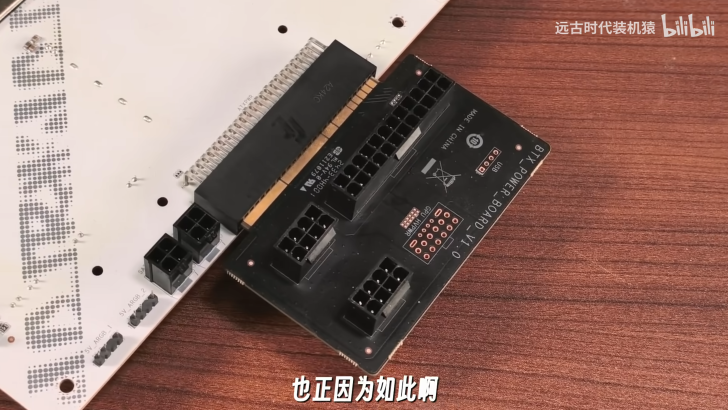
By moving critical connectors behind the motherboard tray and consolidating power into a single high-capacity interface, BTF 3.0 changes how cases, motherboards, GPUs, and coolers are designed, built, and serviced. Even better, the spec has been shaped with a dose of realism: builders don’t have to abandon existing power supplies or graphics cards to join the cleaner future.
DIY-APE has been one of the loudest champions of this idea for years, working with vendors like ASUS, MSI, Maxsun, Colorful, Yeston, and Gigabyte as well as case, PSU, and cooling partners to push back-side layouts from prototypes into shipping products. With BTF 3.0 the initiative matures, introducing a single 50-pin power connector that shoulders the heavy lifting for an entire system while preserving compatibility paths for BTF 2.0 and traditional ATX builds.
What actually changes with BTF 3.0
The headline feature is the new 50-pin motherboard power interface – often called a Gold Finger connector – that centralizes system power delivery. Instead of threading a 24-pin cable, EPS leads for the CPU, and a 12VHPWR line to the GPU, one cable brings it all in from the back. The design borrows from CRPS server PSUs, components built to survive sustained high loads. The BTF 3.0 cable is rated up to 2145 W total, with up to 1680 W available for CPU+GPU draw – headroom sufficient for a modern halo GPU such as an RTX 5090 paired with a flagship Ryzen or Intel processor.
Crucially, BTF 3.0 does not force you to buy a brand-new PSU on day one. DIY-APE has engineered a BTX adapter board that accepts a conventional 24-pin ATX input, two 8-pin EPS CPU inputs, and a 12VHPWR feed for the graphics card. On the motherboard side, BTF 3.0 boards still include two 4-pin power inputs to support SATA devices. That means you can migrate your existing power gear into a BTF 3.0 layout and upgrade the PSU later without re-architecting your build.
GPU power, simplified – not restricted
On the graphics side, the initiative leverages a GC_HPWR slot (similar in spirit to solutions we’ve seen from ASUS) capable of delivering more than 1000 W directly through the motherboard. If you already own a conventional card with a 16-pin connector, a modular adapter bridges the GPU’s 12VHPWR input to the board’s GC_HPWR, letting non-BTF cards slot neatly into a back-side ecosystem. The goal here is the opposite of lock-in: make the clean build experience available to more people, not fewer.
Unified I/O moves the spaghetti behind the tray
Front-panel wiring is notoriously confusing – tiny headers for power switches, HD audio, USB, and a dozen ways to misalign them. BTF 3.0 proposes a back-side I/O harness with an easy adapter so case leads click into one interface. Two versions are planned: a simple adapter for common layouts and an extended one for cases with extra ports or advanced headers. Over time, the hope is a single cross-vendor standard so front-panel wiring becomes a one-and-done step. For builders, that means fewer errors, faster assembly, and the joy of closing the back panel on a tidy loom rather than a fragile nest of cables.
Cooling and airflow get a measurable upgrade
By removing cable clutter from the intake path, BTF 3.0 frees up the front of the case for unimpeded airflow. The spec also champions short-tube AIO designs that minimize kinks and slack, producing a clean visual line from radiator to CPU plate. DIY-APE’s reference case layout bakes in fan and RGB hubs – paired with 1-to-N splitters and pre-routed channels – so each fan position has a nearby power and lighting connector. The factory pre-installs the harness, giving you labeled, fixed-position sockets instead of a puzzle of daisy chains. Fewer cable runs mean fewer sources of vibration and better dust management, because you can maintain positive pressure without cables acting like filters in front of your fans.
Compatibility reality check
Early chatter around back-side power suggested you would need to park the PSU right next to the new connector and therefore buy a very specific case. The latest BTF 3.0 guidance softens that constraint. Yes, cases built for BTF will provide the cleanest experience, but the adapter board and modular harnesses widen your options, including traditional PSU placements. The ecosystem is being refined precisely so mainstream builders can adopt it without starting over from scratch.
Why consolidation matters beyond looks
A single, high-quality interface is not just about aesthetics. Every extra connector is a point of resistance and a potential failure mode. Consolidation reduces voltage drop across multiple runs and simplifies transient response, especially during GPU boost spikes. Borrowing from CRPS design thinking also raises expectations for pin metallurgy, spring force, and heat dissipation. It’s fair to remember the lessons of past high-current connectors: tolerances, insertion depth, and strain relief must be engineered and tested thoroughly. BTF 3.0’s big promise is that these details are baked into the spec rather than left to chance in a tangle of extensions.
Pricing, openness, and the lesson from other industries
Hardware communities have watched other tech ecosystems smother great ideas with nickel-and-dime tactics: convoluted tiers, paywalls for basics, and expensive add-ons that should have been table-stakes. The message from builders is clear: keep it open and fair. BTF 3.0 is encouraging because it actively supports legacy PSUs and non-BTF GPUs via adapters instead of forcing everyone into a proprietary corner. The standard will live or die by whether vendors resist turning "clean builds" into a tax. If the cable and adapter kits land at reasonable prices – and if cases include the necessary hubs rather than selling them as "DLC" – enthusiasts will reward the approach with adoption.
Who is on board and what’s shipping
Multiple motherboard brands (ASUS, MSI, Maxsun, Colorful, Yeston, Gigabyte) and a spread of PSU, case, and cooler partners have aligned on the direction. DIY-APE has already showcased a proof-of-concept build using pre-release Colorful hardware: a BTF 3.0 PSU plugging a 50-pin motherboard that powers a matching graphics card, all with the visible side as bare as a gallery wall. Retail BTF-class products are already in circulation from various vendors, and the 3.0 refinements aim to connect existing islands into a consistent experience.
Builder checklist: what to watch before you buy
- Case readiness: Look for dedicated channels for the back-side harness and pre-installed fan/RGB hubs so you’re not improvising adhesive mounts.
- Motherboard connector quality: Inspect retention, keying, and clearance around the 50-pin to avoid strain when closing the rear panel.
- Adapter board placement: If you’re using a legacy PSU, make sure the BTX board has secure standoffs, adequate ventilation, and reachable cable paths.
- GPU plan: Decide whether you’ll rely on GC_HPWR through the board or a short, well-supported run to your card’s 16-pin. Use the official modular adapter if you’re bridging standards.
- SATA and storage: Confirm the board’s two 4-pin power headers and route plans for any 2.5-inch sleds or hot-swap bays.
- Serviceability: One of BTF’s underrated perks is easier front-side access. Keep the back panel removable without pinching the main harness.
Testing the promise
The cleanest builds are often the hardest to maintain. BTF 3.0 attempts to break that tradeoff: zero front-side clutter plus straightforward back-side service loops. The tell will be repeatable, tool-less experiences – snug, keyed connectors you can reseat confidently; cable lengths that match case geometries; and fan/RGB hubs that are clearly labeled. If those details line up, you get not only a neater build but one that is faster to assemble, quieter under load, and easier to dust and diagnose.
The bottom line
BTF 3.0 isn’t a gimmick. It’s an ecosystem push that recognizes how people actually build and upgrade PCs. The single 50-pin power interface, GC_HPWR options for GPUs, unified back-side I/O, and short-tube cooling combine into a practical standard that feels modern without cutting off existing hardware. If vendors keep pricing transparent and avoid "adapter tax" games, this generation of back-side design will do what good standards always do: make the best choice the easiest choice.
1 comment
PSU adapter board is clutch. I can keep my current unit now and upgrade later without ripping the whole rig apart