If you thought 600 watt graphics cards were the final boss of PC excess, think again. A custom 2002 W extreme overclocking BIOS has slipped out of ASUS and into the hands of the enthusiast community, and people are already flashing it onto their GeForce RTX 5090 cards. 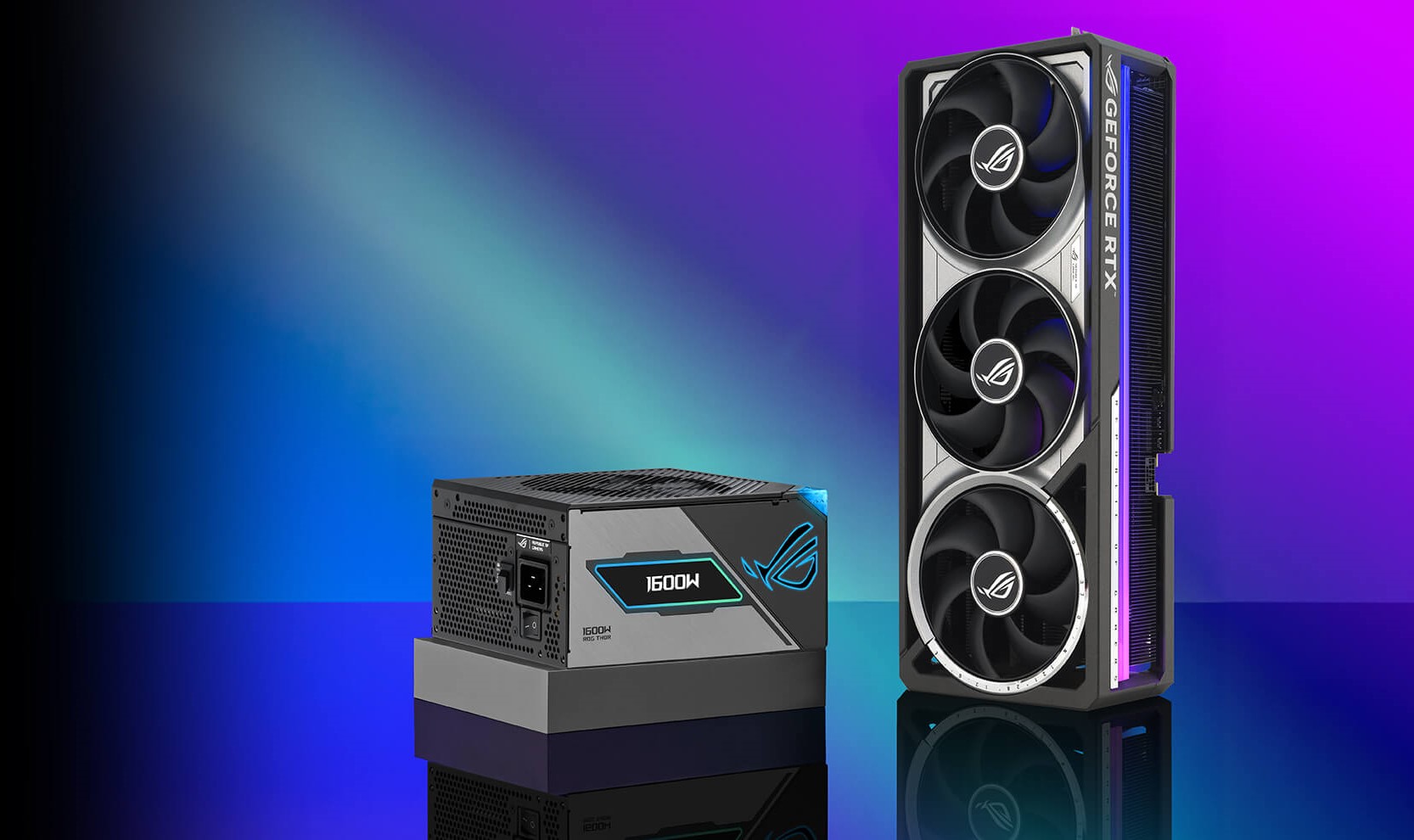
The file was originally built for the ASUS GeForce Astral RTX 5090 D, a China only halo model that has already been discontinued, yet the firmware has now surfaced on overclocking forums and is being tested on regular retail RTX 5090 boards from other brands.
On paper, a 2 kilowatt power limit sounds completely absurd, and in reality no consumer card is going to draw a full 2000 W through current GPU connectors. What this XOC BIOS really does is strip away almost every safety margin and push the power target so high that the GPU, under exotic cooling, is limited more by silicon than by firmware. In practice we have already seen non D RTX 5090 cards pull close to the 900 to 1000 W range in synthetic loads, transforming high end gaming rigs into something that looks more like a compact space heater bolted into a tempered glass box.
This particular 2002 W BIOS was crafted for the ASUS Astral RTX 5090 D, a card designed first and foremost for leaderboard hunters and liquid nitrogen bench sessions, not for someone playing at a desk with a closed case and a normal power supply. Files like this are usually shared privately between vendors and a very small circle of trusted overclockers because they bypass the limits that keep most systems in vaguely sane territory. They are meant for open benches with industrial grade power and cooling, not a cramped mid tower next to a TV stand.
That wall of secrecy did not hold. A user on the Overclock forum uploaded the BIOS, and curious owners immediately began trying it on other custom boards, including GIGABYTE RTX 5090 models. One of the most visible tests came from JayzTwoCents, who flashed the BIOS onto a GIGABYTE AORUS Master RTX 5090. Under heavy load, the card was observed pulling close to 900 W, roughly half again as much as the already wild 600 W stock limit. The payoff was in the region of a 10 percent uplift in performance: enough to move the needle in benchmarks, not enough to make games suddenly feel different at a normal viewing distance.
Benchmark numbers, of course, are the real point of this stunt. One enthusiast who tried the leaked BIOS on a GIGABYTE RTX 5090 reported a huge 18,173 point score in 3DMark Steel Nomad DX12, a run that should land somewhere in the global top 25 results. Jayz himself hit around 18,186 points and currently sits around the twentieth spot worldwide. In that tiny slice of the community, every last point on the chart matters. If the difference between rank 26 and rank 20 is a few dozen watts and a frighteningly hot power cable, there will always be someone willing to roll the dice.
Outside that niche, the bigger picture looks far less glamorous. Even at the standard 600 W board power, RTX 5090 cards have been linked to reports of 12 volt high power connectors running alarmingly warm or even melting when users mis seat the plug, bend the cable too aggressively, or pair the card with a bargain power supply. Now imagine stacking another 300 to 400 W on top of that, pushing current through the same fragile plastic and metal, and you understand why forum threads about the leak are full of explosion gifs, kaboom jokes and sarcastic references to a Blackflop 2500 W abomination. People are laughing, but the underlying point is simple: at these power levels, a bad cable or sloppy install stops being a meme and starts being a fire risk.
Even if nothing literally goes up in smoke, there is a long list of hidden costs. Forcing a card toward a kilowatt hammers the voltage regulation stages on both the GPU and the power supply, accelerates wear on components, and can turn even expensive fans and pumps into a screaming wall of noise. Your energy bill climbs, your room heats up, and all of this effort is often traded for an extra 10 to 20 frames per second on top of framerates that were already in the triple digits. If you are not chasing a trophy on HWBot or competing in an overclocking event, the equation simply does not make much sense.
The irony is that there are already more reasonable ways to unlock performance from a flagship card like the RTX 5090. Vendors offer factory tuned BIOS options such as the ASUS Matrix 800 W profile, which gives plenty of headroom for water cooling without flirting quite so closely with four figure power draw. On the other end, careful undervolting lets users slash power consumption and temperatures while holding performance within a few percentage points of stock. For day to day gaming or content creation, those approaches almost always deliver a better balance of speed, noise and reliability than pumping another 400 W into a hot running, ultra dense GPU package.
That is why seasoned overclockers repeatedly warn that XOC BIOS files are tools, not toys. They assume open air benches, external monitoring, redundant safety gear and an acceptance that a thousand dollar graphics card might die in the pursuit of a short lived world record screenshot. Average enthusiasts, even those running big custom loops in pristine glass cases, have very little to gain from flashing a 2002 W BIOS beyond bragging rights and the privilege of smelling burnt plastic if something goes wrong.
So yes, the leaked ASUS RTX 5090 2002 W XOC BIOS is real, it works, and it is already helping a handful of hardcore tuners climb a few spots in Steel Nomad rankings. For everyone else it should serve less as a tempting download and more as a cautionary tale about where the GPU power arms race can lead. If a 600 W flagship already feels excessive, a BIOS that practically invites you to double that power draw is a reminder that some settings are best left to lab benches, overclocking streams and fire extinguishers, not squeezed into the corner of a living room.
2 comments
Blackflop 2500W edition sounds legit ngl, just ship it with a free fire extinguisher in the box
jayz feeding the 5090 more watts than my flat gets on a bad day, respect the science but my wallet and house say nope