When you spend more on a graphics card than many people pay for a used car, you expect the warranty to have your back. That is exactly why the story of an RTX 5090 Astral owner clashing with ASUS over a denied RMA has blown up online. 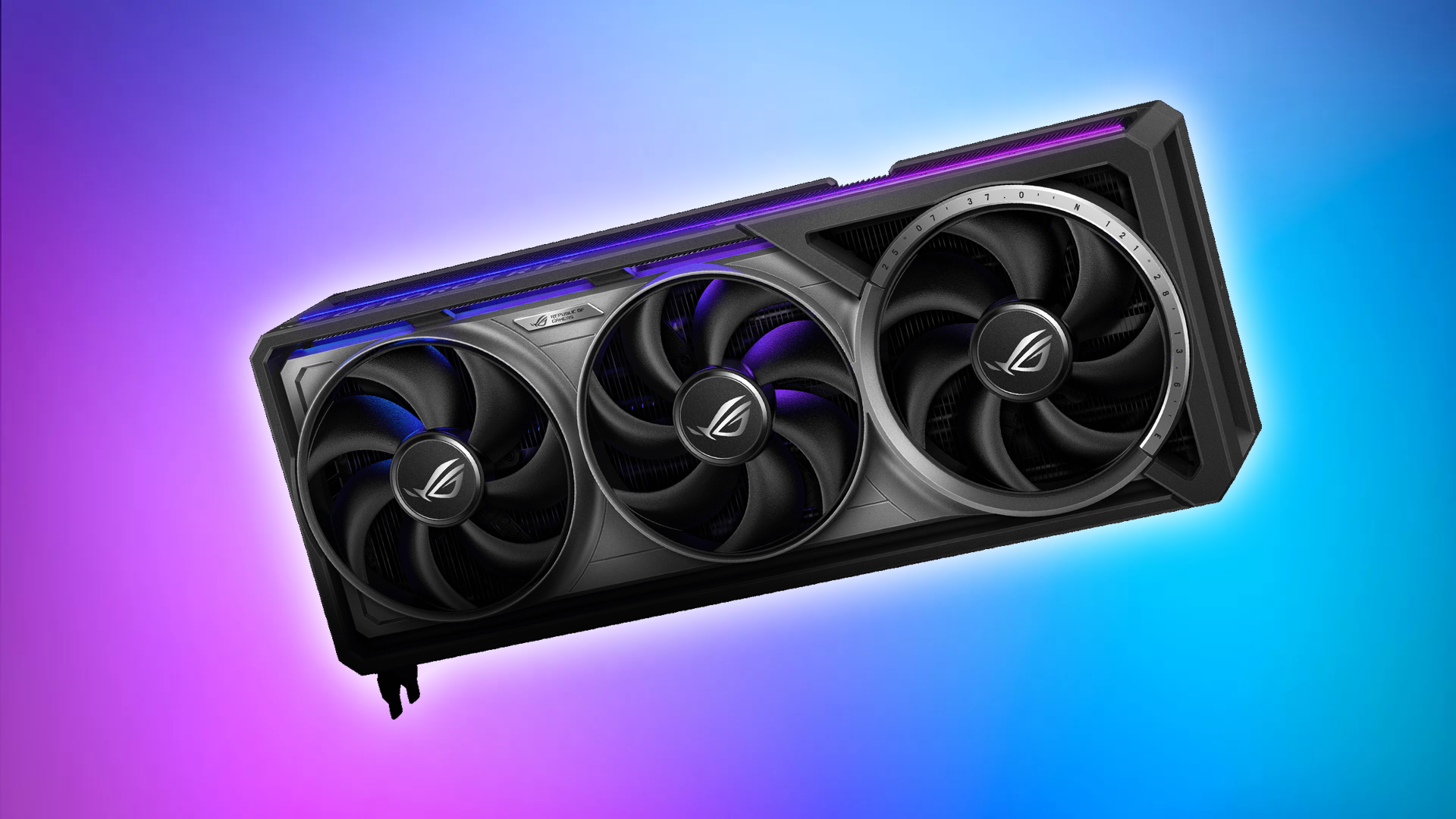
A single microscopic crack near the PCIe connector was enough for the manufacturer to refuse repair, quote a replacement price of more than three thousand dollars, and offer what it calls a generous discount that still runs close to the launch price of the card.
The saga surfaced on Reddit, where user kromz described how his ROG RTX 5090 Astral began throwing black screens and forcing random reboots. Fearing imminent failure, he did what any careful PC builder would do and opened a warranty claim with ASUS. The card was shipped back, reportedly installed with a support bracket to reduce sag, and the owner says he never noticed any physical damage beforehand. According to the RMA report, however, ASUS technicians found what they labeled a surface irregularity on the PCB, a tiny crack near the PCIe interface visible only under a microscope.
That hairline defect changed everything. Rather than treating the issue as a potential component or solder failure, ASUS classified the crack as consumer induced damage, the catch all phrase that moves a problem from warranty coverage to the customer's wallet. The company ruled the card non repairable and proposed a full replacement: about 4,661 Canadian dollars, roughly 3,340 US dollars, for a new RTX 5090 Astral. To soften the blow, ASUS offered a 50 percent discount, but even that leaves the owner paying around 1,700 dollars for a card that already cost a small fortune.
For many readers, the numbers are what make the case so infuriating. Even with the discount, the bill creeps close to what some regional stores charge for an RTX 5090 Founders Edition, and far above what most people consider reasonable for a defect that cannot be seen with the naked eye. Commenters argue that if damage is so minor that it only appears under a microscope, it raises questions about whether the card was designed with enough mechanical tolerance and whether such a flaw should automatically void the warranty on ultra premium hardware.
The backlash also taps into a wider frustration with ASUS customer service. Threads are full of long time PC enthusiasts vowing that this is the final straw and calling the company a garbage pick for high end builds, while reminiscing about brands like EVGA that built their reputations on no drama RMAs and even apologetic extras. Jokes about rich 5090 owners, Nvidiots and meme gifs fly around, but beneath the trolling is a serious point: if a flagship card at this price level can be written off over a microscopic crack, what chance does the average user have when something goes wrong.
There is a technical angle too. Modern GPUs like the RTX 5090 Astral are enormous, heavy slabs of metal and PCB, often hanging vertically off a single PCIe slot. Builders have begun to rely on support brackets, vertical mounts, or PCIe extension cables to relieve stress on the board. Several commenters questioned why any critical traces would run so close to the edge of the connector where weight, transport, or case movement can flex the card. If that area is truly so fragile that a barely visible crack kills a multi thousand dollar product, critics say the design itself is flawed, and customers should not shoulder the full risk.
On the other side, manufacturers will point to the fine print. Most GPU warranties explicitly exclude physical damage to the PCB, connectors, or components, and RMA departments are trained to look for signs that a card was bent, dropped, or improperly handled. The uncomfortable truth for PC gamers is that once damage is labeled user caused, arguing with support can become an exhausting, months long grind with little chance of success, especially when you do not have detailed photos of the card just before shipping.
That is why many enthusiasts now treat consumer protection as part of the build process. They document their hardware with high resolution photos before sending it for RMA, buy extended coverage from retailers that simply swap a dead card, and use credit cards whose purchase protection can step in when a manufacturer refuses to help. Others recommend changing how we mount these monster GPUs altogether, shifting toward horizontal case layouts or server style racks so gravity is not constantly pulling down on the PCIe slot.
Ultimately this RTX 5090 Astral dispute has become more than one unlucky owner's headache. It highlights how fragile trust has become between GPU makers and the people spending luxury money on their products. As prices climb ever higher, customers expect warranties that feel fair and transparent, not policies that appear to weaponize microscopic defects. If the industry wants buyers to keep paying four figure prices for graphics cards, it may have to rethink not only thermals and frame rates, but also how it handles RMAs when things go wrong.
3 comments
Why ppl still buy Asus blows my mind tbh. Been trash on RMAs for years, this is just the latest episode
Your article helped me a lot, is there any more related content? Thanks!
stories like this are why I only buy MC replacement plans now. No drama, they just hand you a new card