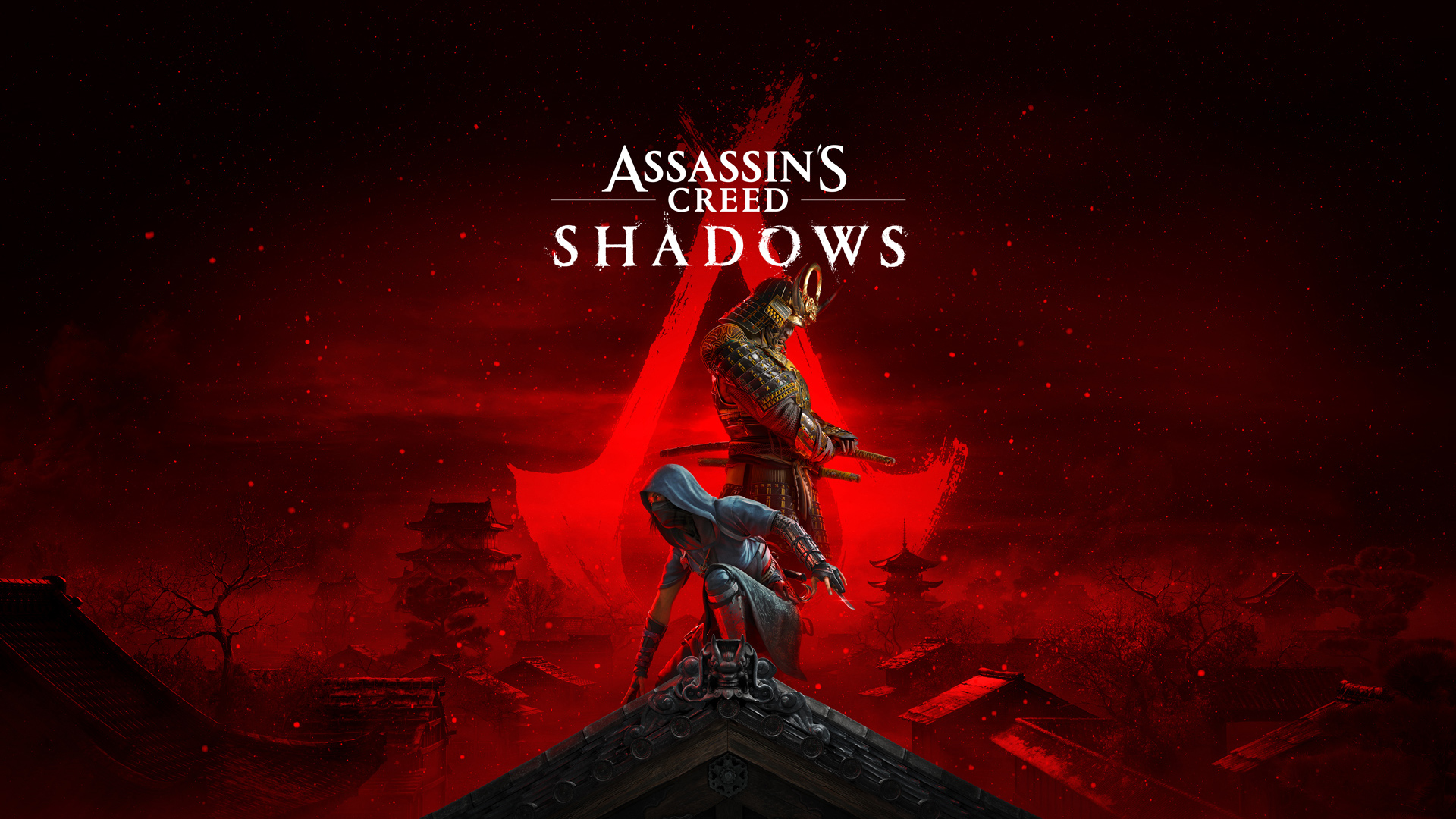
How Ubisoft Steered Assassin’s Creed Shadows Through a Culture War
Assassin’s Creed Shadows didn’t just launch into a crowded release calendar – it sailed straight into a culture war. From the moment early trailers and developer comments hit social feeds, the debate stopped being about skill trees or stealth routes and became a referendum on intent: was this entry a video game first, or a message wrapped in a video game? The volume of that argument shaped everything that followed, including how Ubisoft recalibrated its public messaging and its production timeline.
Insiders at Paris Games Week described a candid internal post-mortem: the team traced how a standard marketing cycle morphed into a rolling backlash, where every character, costume note, and historical interpretation became ammunition. The response, according to people in the room, was to stop chasing down every outrage beat and start rebuilding trust where it was most recoverable – among fans who still wanted to believe the game could be great. The shorthand inside Ubisoft became simple: prove, don’t proclaim.
That pivot produced two immediate consequences. First, the schedule breathed: more time for polish, stability, and balance. Second, the tone changed. Rather than spar with detractors, Ubisoft doubled down on materials that let play speak for itself – longer gameplay cuts, clearer systems explainers, and previews designed for the franchise faithful. Leadership distilled the goal in plain terms: make it unmistakable that Shadows is a game before it is anything else. Not a denial that themes exist, but a renewed hierarchy where mechanics and mastery sit at the top.
What did that look like on the production floor? Think hands-on work that players can actually feel: stealth reads that are easier to parse at a glance, enemy behaviors less prone to cheap spikes, smoother traversal lines, fewer immersion-breaking hitches, and UI prompts that get out of the way faster. The team’s mandate, sources say, was to remove places where intent might be misread as sermonizing simply because the experience stalled. If a stealth sandbox sings, the debate quiets. If combat flows, the timeline argues less.
Did it work? The signal is mixed but promising. Official global sales figures remain unannounced, yet European charts in late summer suggested Shadows was the continent’s best-selling new release of 2025 – no small feat given it launched alongside heavyweights like Monster Hunter Wilds and the ever-present kart competitor. At the same time, the online conversation never fully cooled. Some players still reject the protagonist choices or bristle at perceived historical liberties; others argue that the series has been iterating toward a richer RPG framework for years and Shadows is the cleanest version of that path.
There’s a second lesson tucked inside all this: communication discipline matters as much as creative conviction. Early taglines that sounded like thesis statements were catnip for bad-faith readings. By contrast, later materials foregrounded concrete features – mission variety, infiltration tools, build expression – and left the audience to infer the rest. That’s not erasing subtext; it’s respecting the player by letting the experience carry the meaning.
It’s also fair to say fans asked for actions, not statements. Some want the series to return to the modern-day mythology arc and artifacts; others pine for different Ubisoft priorities altogether (the never-ending “make The Division 3” chorus). Those sentiments aren’t trivial noise; they’re reminders that loyalty in live-service-adjacent ecosystems is earned repeatedly through support, options, and stability. When players see tangible updates and thoughtful quality-of-life fixes, defenses of the game become organic rather than orchestrated.
Assassin’s Creed Shadows will keep being litigated in forums and feeds, but the path out of the crossfire is clear: ship updates that improve the loop, keep performance tight, celebrate high-skill play, and let players tell your story for you. If Ubisoft’s bet pays off, the defining narrative won’t be the culture war at all – it’ll be the collective moment when more people realized they were talking less about discourse and more about the heists, escapes, and perfectly timed counters they pulled off the night before.