For a lot of people, the Apple Watch has quietly slipped into the background of Apple’s lineup. It still gets its yearly bump in processor speed, a few fresh watchOS tricks and some new band colors, but it has not felt truly new in a long time. The spotlight has moved to iPhones, Macs and even Vision Pro, so it is easy to think the watch is on autopilot. 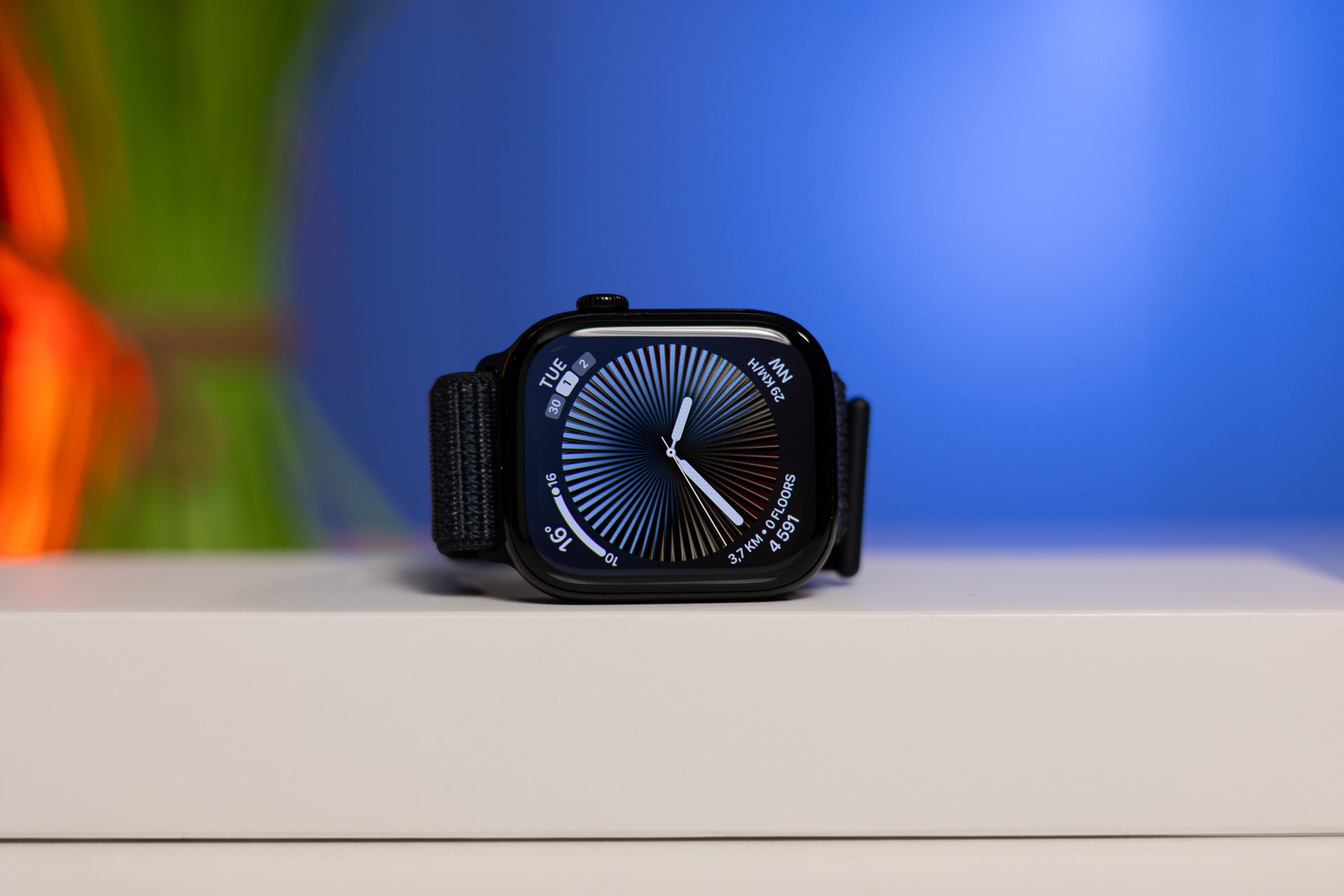
Behind the scenes, though, Apple is still working on a big update for its wearable, it just might arrive much later than early rumours suggested.
Redesign may slip to 2028
According to a fresh leak from usually reliable leaker Instant Digital, Apple is preparing to stick with the current Apple Watch design for a surprisingly long stretch. Instead of a dramatic redesign arriving in 2026, the company is said to be planning minor, familiar updates through at least 2027 and saving a far more radical overhaul for 2028. That date is not random, it lines up neatly with the twentieth anniversary of the first iPhone, a milestone Apple may want to celebrate with a broader ecosystem refresh.
The same leak, posted on Chinese social network Weibo, even describes Apple’s 2027 watch plans as uncertain. That single word opens a lot of possibilities. It could simply mean the company has not locked down the feature set, pricing or branding for that year’s model. But it also leaves room for something more unusual in Apple land, such as a year where the watch gets only a tiny internal bump, or in an extreme scenario, a year where there is no truly new Apple Watch at all.
Such a move would be a sharp break from the rhythm buyers have come to expect. Ever since the first Apple Watch launched, a new model has arrived almost every autumn next to the latest iPhone. Stretching the current industrial design all the way to 2028 suggests Apple is lining up more than the usual thinner bezels and slightly larger display. It hints that the next generation of health features and chips is complex enough that hardware designers, engineers and regulators all need extra time before Apple can confidently put a new shape on people’s wrists.
Why Apple might be waiting
Earlier reports painted a more aggressive timeline, claiming at least one of the 2026 Apple Watch models would look noticeably different thanks to brand new health hardware. That wish list has long included deeper blood pressure tracking, richer sleep and stress metrics and, in the most ambitious rumours, some form of non invasive glucose monitoring. These are not the kind of sensors you casually bolt into a product that millions of people rely on every day. They require years of research, clinical validation, regulatory approvals and smart battery management.
If those crown jewel features are taking longer than planned, it actually makes sense for Apple to slow the exterior redesign as well. Launching a bold new chassis without a truly next generation sensor suite inside it would deliver a flashy moment on stage but leave the product feeling hollow a year or two later. Instead, Apple appears to be squeezing as much value as possible out of its existing design language while it makes sure the next big step is a genuine leap, not just a cosmetic reboot.
We have already seen this pattern in miniature with Apple Watch Series 10 and Series 11. Series 10 brought a slimmer case, a more expansive screen and a more comfortable fit without ripping up the playbook. Series 11, in turn, behaved more like a classic spec bump year, keeping the same silhouette while boosting performance and under the hood efficiency. Extrapolate that rhythm across several more cycles and you get a picture of a company that is carefully pacing itself until all the pieces for a proper reinvention line up.
Rivals are pushing faster on design
While Apple plays the long game, rivals are not standing still. Samsung’s Galaxy Watch 8 arrived with a noticeable redesign, moving to a more pronounced squircle shape and a slimmer body that stands out immediately next to older Galaxy wearables. Google’s Pixel Watch line has doubled down on its minimalist round glass dome, but newer generations have aggressively improved displays, performance and battery life while keeping that distinctive look intact.
Set against that backdrop, the Apple Watch is starting to look conservative, even a little stale, to some long time owners. The screens have grown, the bezels have shrunk and the cases have become more refined, yet the core concept remains the same small rectangular slab with a Digital Crown and side button, focused on notifications, fitness tracking and bite sized apps. For everyday users that familiar approach is a strength, because the watch remains one of the most polished, reliable wearables on the market. For tech enthusiasts who swap phones every couple of years, however, the lack of a truly fresh design is beginning to feel like a stall.
What a 2028 Apple Watch could represent
This tension explains why reactions to the 2028 redesign rumour are so mixed. On one hand, a long runway gives Apple freedom to rethink what a computer on your wrist should be in an era of artificial intelligence, personalised coaching and always on health monitoring. On the other hand, telling people that the visually new watch is still several years away naturally nudges some of them to look over the fence at Samsung, Google and others who are already experimenting.
If Apple really is saving the boldest design for 2028, it will need to be more than a facelift. An anniversary Apple Watch could be the moment when advanced health sensors, a far more efficient chip, smarter on device AI and a battery that genuinely stretches into multi day use all arrive wrapped in a case that finally feels like a clear break from the first generation. That might involve thinner and lighter materials, a more flexible approach to straps and sensors or even a modular system that lets the watch evolve instead of being fully replaced every few years.
Should you wait or move on now
In the meantime, buyers face a familiar dilemma. If you want the best smartwatch experience with an iPhone today, the current Apple Watch models are still hard to beat. Seamless integration with iOS, Apple Pay on the wrist, Fitness rings that keep you moving and tight AirPods support remain powerful reasons to stay put.
At the same time, the mood in the community is shifting. One of the most common reactions when people hear that a major redesign might not arrive until 2028 is simple and blunt: just get a Pixel Watch or a Galaxy Watch if you are bored. For users who are not deeply locked into Apple services, modern Android compatible wearables can feel fresher on the wrist, even if they cannot replicate every Apple feature. Some ex Apple Watch owners already tell the same story, trading iMessage on the wrist for a new shape, bigger battery and a design that simply feels exciting again.
None of this means the Apple Watch is dead or forgotten. It is more likely that Apple is playing a longer, quieter game, lining up the kind of health, silicon and software advances that justify a once in a decade rethink. Until that day arrives, the device on your wrist will remain a snapshot of a maturing market, caught between a safe, refined classic and the promise of something more daring that may finally land around 2028.