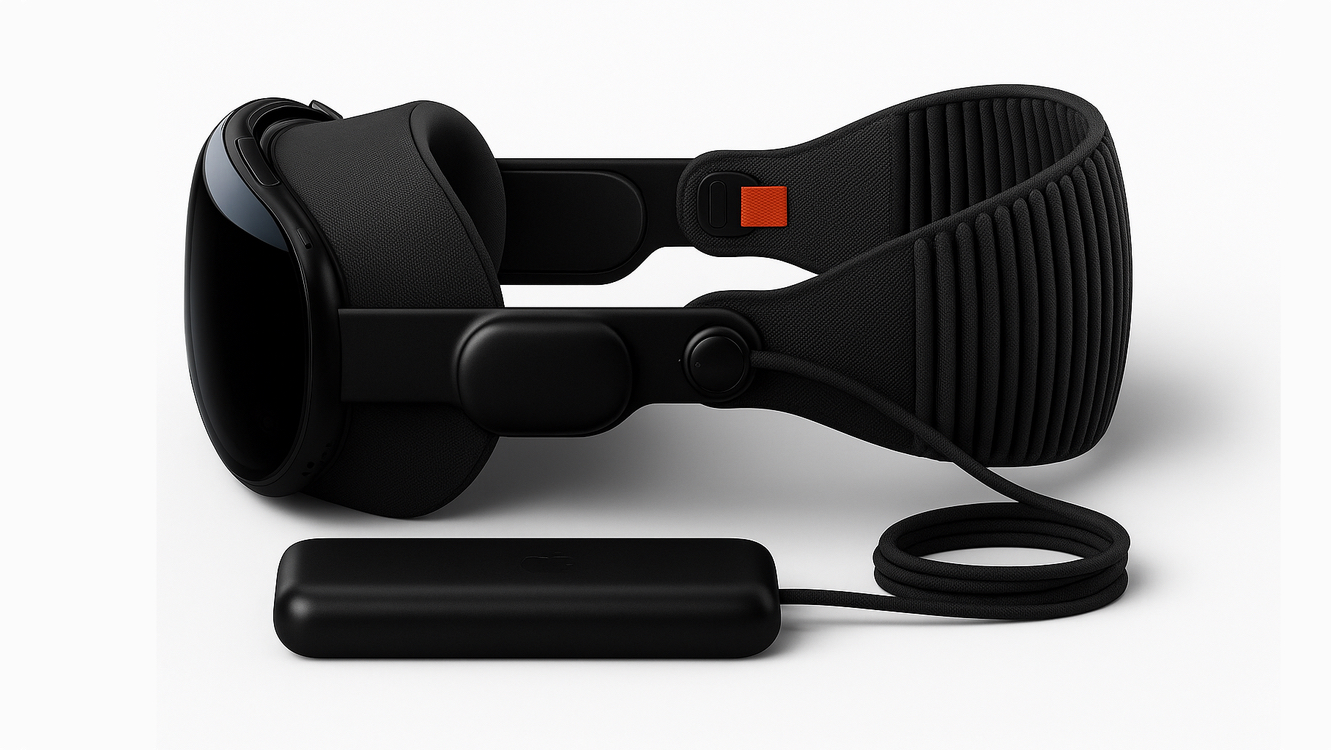
Apple Vision Pro 2: Refinement Over Revolution, But With Smarter Ambitions Ahead
When Apple first launched the Vision Pro in February 2024, the headset arrived with all the polish and marketing flair you would expect from Cupertino. Yet despite its bold promise of ushering in the era of spatial computing, the device landed with some hard-to-ignore caveats: high price, weight that made extended sessions tiring, and mixed reactions on whether it could justify its existence beyond early adopters. Now, Apple is preparing the Vision Pro 2, a refresh that may not be revolutionary but is aimed at fixing some of those pain points while laying the groundwork for bigger changes down the road.
According to reports from industry insiders such as Mark Gurman, Apple is keeping the focus of this update on refinements rather than a total redesign. The most notable upgrade will be a switch from the M2 chip to either an M4 or even M5 processor, dramatically improving performance for rendering spatial environments and handling AI-driven workloads. That leap in power won’t just look good on spec sheets – it should also make the headset feel smoother and more responsive in daily use, especially for applications that demand real-time rendering.
Apple is also looking at cosmetic tweaks, borrowing strategies it has used with the iPhone and Mac lineup. A Space Black finish is rumored to be in the pipeline, giving the Vision Pro 2 a sharper, more premium edge, much like the MacBook Pro and Apple Watch Ultra 2 already showcase. While subtle, this shift could help give the headset a distinct identity without alienating owners of the first model.
Comfort is another area Apple is targeting. The current dual-band strap system has received criticism for being clunky and heavy during long VR or AR sessions. For Vision Pro 2, a redesigned strap is expected, promising a better fit and more balanced weight distribution. Apple understands that immersion breaks the moment discomfort sets in, so this adjustment could have as much impact on adoption as raw performance boosts.
Beyond this specific update, Apple’s roadmap suggests something more ambitious. Reports hint at a lighter, more affordable mixed-reality headset that could bring the technology to a broader audience within the next two years. Alongside that, Apple is reportedly working on smart glasses, positioning itself against Meta and other players in the wearables market. This dual-track approach – premium Vision Pro models for enthusiasts and professionals, plus lighter and cheaper headsets for mainstream users – could finally move spatial computing out of the niche corner it currently inhabits.
Still, the Vision Pro 2 won’t land in the spotlight Apple reserves for the iPhone. The company will unveil its iPhone 17 lineup on September 9, alongside new Apple Watch and AirPods models. The Vision Pro 2 is expected later, likely in November, giving Apple a chance to separate its launches and let the headset breathe without competing against its own smartphone juggernaut.
Is this update enough to turn the Vision Pro into a must-have device? Probably not yet. But it’s a meaningful step in smoothing out the rough edges of the first generation, while signaling Apple’s long-term bet on spatial computing. For now, Vision Pro 2 is about refinement. The real revolution may come when Apple finds a way to deliver immersive tech at a price and weight ordinary users can live with every day.
1 comment
space black looks sick tho ngl, might be tempted just for the aesthetics 😅