Apple’s big bet on spatial computing is running into a familiar wall: price. The second-generation M5 Vision Pro is shaping up to be just as expensive and just as niche as the original, and for a while the rumored Apple Vision Air looked like the one product that could pull the platform closer to the mainstream. Now, fresh supply-chain chatter suggests that this more affordable headset may have quietly been pushed off the roadmap, and a key display project with Samsung is said to be on ice.
As always, it is important to remember that we are dealing with unannounced hardware and off-the-record supplier stories. 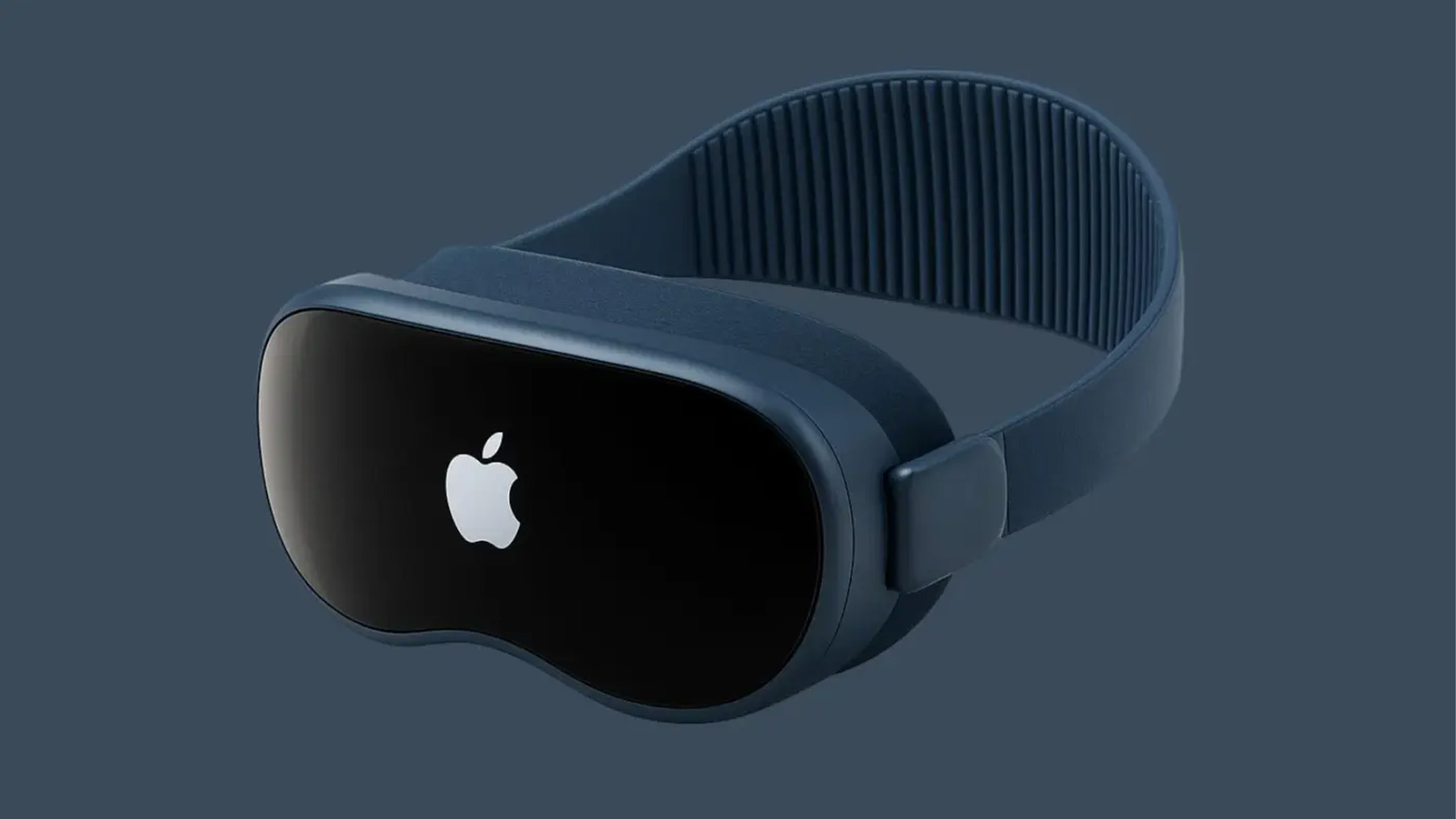
On our internal rumor scale, this leak sits in the middle of the pack. The sourcing is solid enough to call it plausible rather than wild speculation, but there are not yet enough independent confirmations to treat it as a done deal. Think of it as a coin that is slightly weighted toward cancelation, not a final verdict.
To understand why a cheaper Vision headset mattered so much, you have to look at the current state of the lineup. The original Vision Pro landed with a starting price of 3,499 dollars and a form factor that early adopters politely describe as substantial. The M5 revision is not expected to budge on that price, and while Apple continues to polish the software, add apps and tweak comfort, it is still a device that targets enthusiasts and professionals rather than the average iPhone owner.
The Vision Air concept was meant to address exactly that gap. Internally, it was framed as a lighter, simpler, more affordable companion to the Vision Pro rather than a full replacement. You can imagine fewer external cameras, slightly lower display specs, and more aggressive compromises on materials, all in exchange for bringing the price down to something closer to a premium iPhone. Crucially, that price drop depended on a new display technology that Apple was said to be co-developing with Samsung.
According to supplier reports, Samsung had been working with Apple on a glass-based micro-display for mixed reality, often referred to in leaks as G-VR. Instead of using a micro-OLED panel on an expensive silicon substrate, this approach mounts micro-OLED on glass. Glass is significantly cheaper and easier to manufacture at scale, and if the optics cooperate, it can still deliver sharp, bright visuals. In theory, that G-VR panel was the cornerstone that would make a low-cost Apple Vision Air economically viable without completely gutting the premium feel.
The twist is that this joint project now appears to be on hold. Industry chatter claims that Samsung has stopped active development on the G-VR panel because Apple told the company to stand down. The report does not offer a precise explanation. It could be that the cost savings were not as dramatic as hoped, that thermal or optical performance lagged behind expectations, or simply that the roadmap no longer justified the investment. When Apple pivots, it usually does so for multiple converging reasons rather than a single dramatic moment.
The most compelling theory is that resources originally earmarked for a budget headset have been shifted toward an entirely different category: smart glasses. Apple has long been rumored to be working on everyday eyewear that looks closer to normal glasses than a VR visor. The first generation, which some insiders expect as soon as 2026, is said to prioritize comfort and all-day wear over flashy augmented reality visuals. Think subtle notifications, audio features, and tight integration with the iPhone rather than full holographic windows floating in midair.
A follow-up model, tentatively aimed at 2027, is expected to push deeper into AR territory with more advanced displays built into the lenses. From Apple’s perspective, this might be the more logical place to invest. Heavy, expensive headsets like Vision Pro will always appeal to a relatively small group of users who are willing to strap a screen to their face for work, gaming, or media. Lightweight glasses that you can forget you are wearing have the potential to become as common as wireless earbuds, especially if the price stays closer to mainstream phones than to high-end laptops.
That strategic context helps explain why a Vision Air might suddenly feel less critical. If the endgame is a world where most people wear smart glasses and only power users own a full mixed-reality rig, then Apple’s energy is better spent making those glasses happen sooner, not diluting its engineering and supplier relationships across too many overlapping products. In that scenario, Vision Pro remains the halo device that shows what the platform can do, while glasses become the everyday gateway into Apple’s version of ambient computing.
Of course, from a consumer perspective this is frustrating. Many people were quietly hoping that Vision Air would do for headsets what the iPhone SE has done for smartphones: bring core features to a far more reachable price point. If these reports are accurate, the chances of buying an officially sanctioned budget Vision headset any time before the late 2020s are shrinking. Discounts, refurbished units, and older models could still soften the blow over time, but that is very different from a deliberately engineered low-cost product.
The rumor has also reignited long-running skepticism toward Samsung in some corners of the fanbase. One reader summed up the mood by joking that the Samsung cartel never wants cheap solutions, only high-margin luxury panels. In reality, both companies are fiercely protective of their profit per unit and both like premium price tags when they can get away with them. Still, that perception matters. If Apple cannot secure a truly affordable next-generation display, it will struggle to deliver the kind of price drop people expect from a product with the word Air in its name.
For now, all we can say with confidence is that the Vision Air project appears less certain than it did a few months ago, while Apple’s smart glasses ambitions seem to be accelerating. Until Apple takes the stage and draws the roadmap in its own words, Vision Air will remain in the gray zone between shelved prototype and future product. What happens around 2026 and 2027 will tell us whether Apple sees the future of spatial computing strapped to our faces like a helmet, or resting lightly on our noses like a regular pair of glasses.
2 comments
So basically no cheap Vision for us, just the 3.5k spaceship on your face… nice one Apple 😂
Vision Pro is already super niche where I live, I’ve literally never seen one in the wild. If they cancel Vision Air too, this whole platform stays a rich nerd toy