Apple’s first smart display is reportedly due in early 2026 – and it finally looks like a real smart-home plan
After a decade of half steps in the living room, Apple appears ready to ship something more ambitious than a premium speaker with voice control. Multiple reports point to early 2026 – think March to April – as the window for Apple’s first smart display, a product that would sit at the center of a renewed home strategy rather than orbiting it. If accurate, that timing lets Apple pair the hardware with a major AI refresh to Siri, the piece that has long limited Apple’s smart-home ambitions.
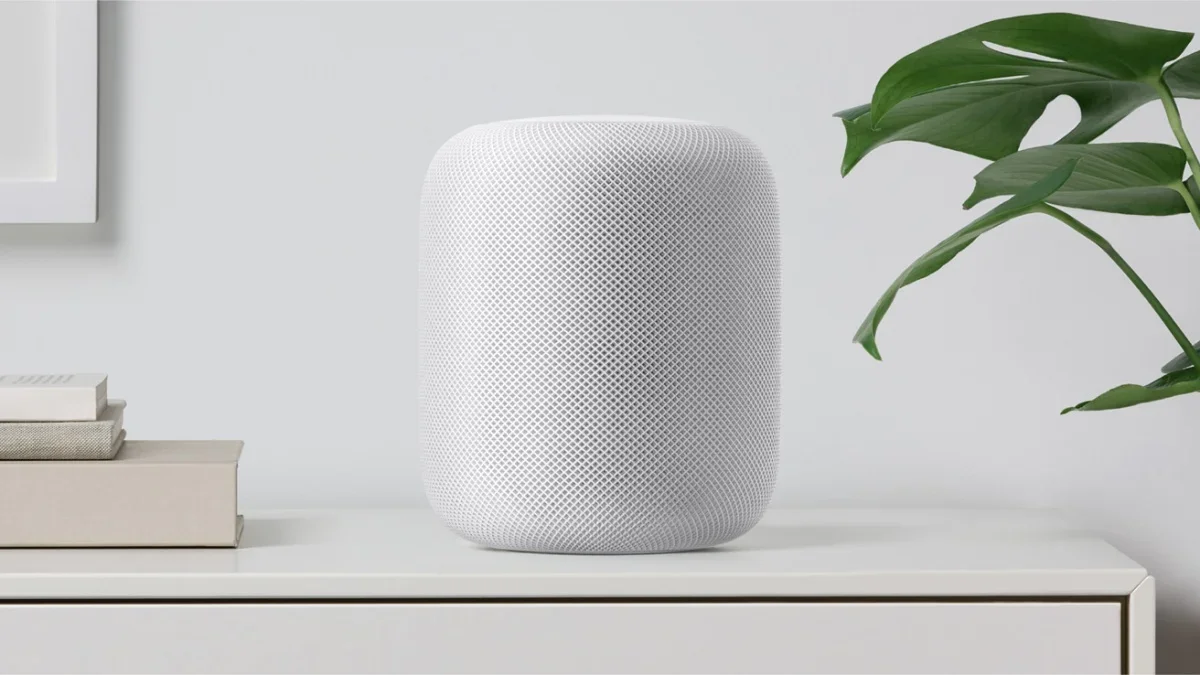
The device is said to arrive in two configurations. One resembles a compact home hub with a speaker base – picture a HomePod that grew a screen and learned new tricks. The other is a wall-mounted variant designed to live where families actually coordinate: kitchens, hallways, and entryways. The goal isn’t just to play music or show a slideshow of iCloud Photos. It’s to serve as a dashboard for scenes, automations, and security, with camera tie-ins expected later in the year. In other words, Apple wants this to be the face of your home, not just another screen.
The context matters because Apple is very late. Google’s Nest Hub and Amazon’s Echo Show have been the default choices for years, and those companies used the time to dig deep moats – skills, routines, partner integrations, and a long tail of inexpensive hardware. Millions of homes already default to “Hey Google” or “Alexa” for timers, lights, and doorbells. Winning in 2026 is not about shipping a pretty display; it’s about prying users away from habits and ecosystems they barely notice anymore.
That is why the rumored pairing with a much smarter Siri is pivotal. For all of Apple’s industrial design strengths, Siri has struggled at precisely the tasks that make a home hub feel magical: correctly understanding messy requests, keeping context across follow-ups, and handling nuanced controls (“set the nursery lamp to 35% until sunrise, then resume the reading scene”). The new plan reportedly layers Apple’s on-device intelligence with more capable cloud models – and, intriguingly, industry chatter suggests Apple is open to using third-party AI where it makes sense. If Siri can finally hold a conversation, understand the state of the home, and take initiative when routines break, Apple’s hardware instantly becomes more than a photo frame with a voice button.
Hardware still matters, of course. Expect Apple to lean into privacy and locality: on-device processing for sensitive commands, secure video handling for upcoming cameras, and tight permissioning inside HomeKit. A wall hub makes a perfect home for Thread and Matter control, potentially giving Apple a best-in-class dashboard for multi-brand devices, not just Apple-branded ones. If Apple nails the latency of local automations – think lights responding in under 100ms – people will feel the difference every single day.
But the toughest challenge isn’t features; it’s switching costs. Households sitting on years of Alexa Routines, Nest doorbells, or cheap smart plugs don’t want to start over. Apple must provide bridges: painless migration of scenes, credible support for popular accessories, and companion apps for Android family members who don’t carry iPhones. Without those bridges, Apple risks building a perfect island. With them, Apple can become the neutral traffic cop for homes that already blend brands.
Pricing could be another friction point. Reports suggest Apple is targeting a premium price for the 2026 hub, which tracks with the company’s history. That strategy only works if the experience is unmistakably better – screen quality, far-field mics, sound, responsiveness, and a UI that surfaces the right controls at the right moment. Apple can’t sell “parity plus polish” here. It needs moments that feel categorically new: proactive suggestions that don’t feel creepy, context-aware widgets that change with the room’s activity, and presence-based handoff between the wall display, the iPhone, and Apple Watch.
Security and cameras will be a litmus test. Apple’s privacy posture is a differentiator, but it must not come at the cost of basic convenience. People expect rich notifications, quick two-way talk, timeline scrubbing, and automatic event summaries (“package dropped at 14:06, person recognized as Sam”). If Apple’s forthcoming cameras skip obvious features or wall off clips behind awkward subscriptions, users will stick with the established players. If, however, Apple delivers fast, reliable, and private video with smart summaries that actually work, that could be the wedge to displace Nest and Ring in Apple-leaning homes.
So is it too late? Not necessarily. Apple has won late before by reframing the category: iPod wasn’t the first MP3 player, iPhone wasn’t the first smartphone, and Apple Watch wasn’t the first wearable. The question is whether Apple can define a distinctly Apple home experience – one that privileges coherence over checkbox features – while still respecting the messy reality of today’s mixed ecosystems. For loyal iPhone households who resisted Alexa and Google Assistant, this looks like an easy yes. For everyone else, Apple must earn a switch with tangible day-one value, not just beautiful hardware.
One more wrinkle: rumor mills also mention a pricier follow-on – a home robot exploration in 2027. That’s fascinating but hypothetical. The immediate test is simpler and harder: ship a screen-plus-Siri hub in early 2026 that feels indispensably helpful by week two. If Apple clears that bar, the rest of the roadmap suddenly sounds less like a gamble and more like momentum.