Apple is standing at a critical crossroads as the smartphone wars take another dramatic turn. 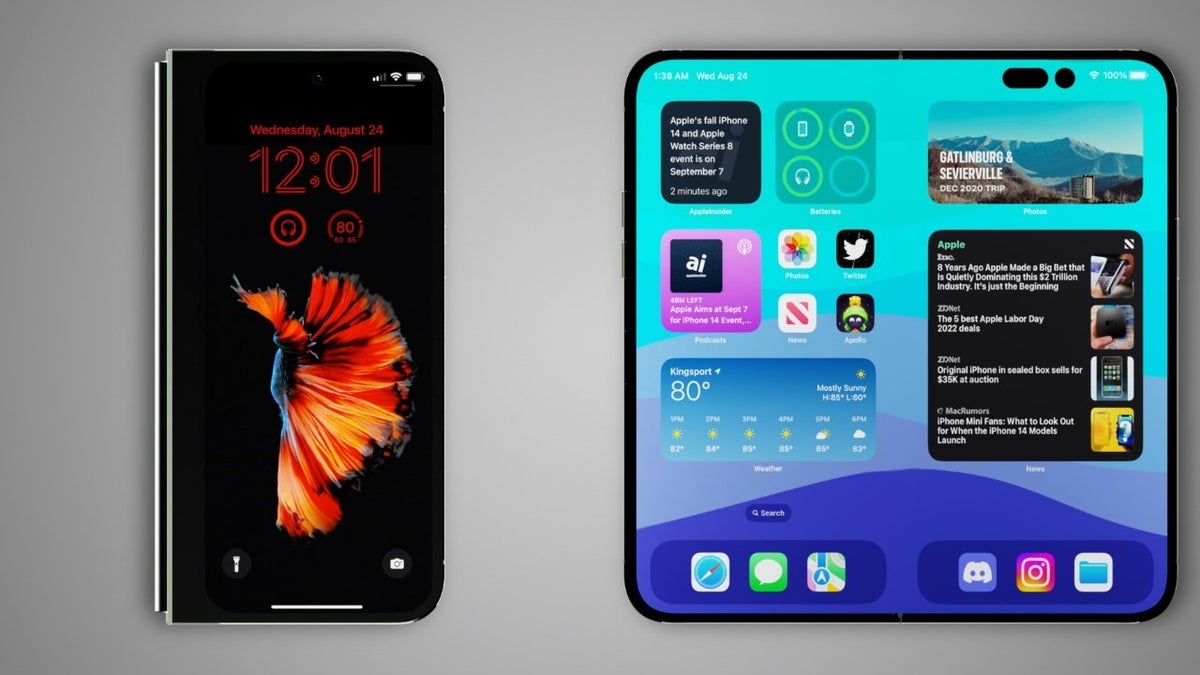
A new survey conducted by SellCell, a well-known U.S.-based price comparison platform for used electronics, reveals both encouraging and alarming signals for the tech giant just days before the unveiling of the iPhone 17 series. While interest in upgrading to Apple’s latest devices is climbing, the study highlights an undercurrent of discontent that could see nearly a third of iPhone owners defect to Android – specifically to foldable devices from Samsung and Google.
The survey, which polled 2,000 iPhone users, found that 68.3% of them are planning to upgrade to the iPhone 17 during launch week. This figure represents a significant increase compared to last year, when 61.9% said they would upgrade to the iPhone 16. On paper, that’s a 10.3% rise in upgrade enthusiasm. For Apple, this uptick suggests that anticipation is high, and many iPhone loyalists remain committed to staying within the ecosystem.
When digging deeper into which models users are eyeing, the numbers paint a more nuanced picture. Of those upgrading, 38.1% plan to buy the iPhone 17 Pro or Pro Max, the company’s high-performance flagships. Another 16.7% are leaning toward the standard iPhone 17, while 13.5% expressed interest in the ultra-thin iPhone 17 Air, a model expected to capitalize on sleek design. This variety underscores Apple’s strategy of segmenting its lineup to attract both power users and design-conscious buyers.
But alongside this apparent enthusiasm lies a worrying sentiment. The survey revealed that 27.1% of iPhone owners feel Apple has “lost its edge.” This perception of stagnation is nothing new; critics have long argued that innovation has slowed, particularly compared to rivals experimenting with foldables and AI-first features. Still, in contrast, 72.9% said they are more satisfied with their iPhones now than in previous years, showing that brand loyalty and user satisfaction remain resilient.
Price, however, remains the biggest stumbling block. A striking 68.9% of respondents said the high cost of the iPhone 17 would be the main barrier preventing them from upgrading. Another 16% believe Apple’s lack of breakthrough innovation is discouraging them from making the switch, while 5% openly admitted they are considering moving to Android. These statistics suggest that while Apple has a strong grip on its base, cracks are beginning to form.
So what would convince hesitant customers to take the plunge? Over a third of respondents (36%) said a bold new design – such as slimmer builds, fresh color palettes like lavender or orange, and a redesigned Dynamic Island – would be a strong motivator. Battery life was an even bigger factor, with 53% saying that a significant boost in battery capacity, particularly in the iPhone 17 Pro Max, would likely push them to upgrade. Meanwhile, 28% highlighted camera improvements as a decisive factor, though surprisingly, only 7% expressed interest in AI-powered features in iOS, suggesting Apple’s focus on machine learning may not yet resonate with the mainstream audience.
The most eye-opening takeaway from the SellCell report, however, is the risk of defection. Over 30% of current iPhone users admitted they would consider switching to a foldable from Samsung or Google if Apple delays launching its own foldable model. Specifically, 20.1% would look to Samsung’s Galaxy Z Fold or Z Flip, while 10.2% would move toward Google’s Pixel Fold. Only 3.3% of respondents said they would wait for Apple to finally release its rumored foldable. Given the growing momentum of foldable devices, this potential migration could represent billions in lost revenue if Apple doesn’t act quickly.
The survey also explored broader perceptions of Android. Interestingly, 49% of iPhone users said nothing about Android appeals to them, reaffirming the strength of Apple’s ecosystem. However, the remaining 51% pointed to specific Android advantages: AI integration (13%), competitive pricing (11%), superior camera systems (11%), and foldable technology (9%). These are not minor features but core selling points that could tempt users away from Apple if the company doesn’t respond with comparable innovations.
Even trade and tariff concerns made their way into the conversation. When asked about potential price hikes due to tariffs, 34% of iPhone users said they would purchase a new iPhone regardless of cost. In contrast, 37% said they would not buy under higher pricing, and 29% indicated they would make their decision depending on how steep the increase turns out to be. This split suggests that while some Apple fans are willing to “hold their nose” and pay, many others may simply bow out.
In the bigger picture, Apple’s upcoming iPhone 17 launch seems poised to generate strong initial sales, fueled by higher intent-to-upgrade numbers. But lurking beneath the optimism is a clear warning: innovation gaps, rising prices, and the absence of a foldable option could slowly erode Apple’s dominance. The fact that more than three in ten iPhone owners are eyeing a potential exit is not a statistic Apple can ignore. The company’s strategy in the next 12 months – particularly regarding foldable devices and price management – could very well determine whether it maintains its market-leading position or begins to cede ground to rivals.
Meanwhile, Apple enthusiasts and tech collectors can look forward to another piece of related news: the upcoming release of Iconic Phones: Revolution at Your Fingertips, a coffee table book celebrating the most significant mobile devices of the 21st century. While not a product launch, it’s another reminder of how deeply ingrained smartphones have become in modern culture, and how much Apple’s future choices will continue to shape that story.
3 comments
android cameras kill iphones now ngl
waiting for apple foldable, but not forever
still sticking to iphone, hate android ui