Apple is once again at the center of the silicon race, with the upcoming M5 chip reportedly set to debut this week alongside a trio of new devices. But in a twist that’s caught the tech community off guard, new leaks suggest the M5 won’t use TSMC’s latest and most advanced 3nm ‘N3P’ process, as many had expected. 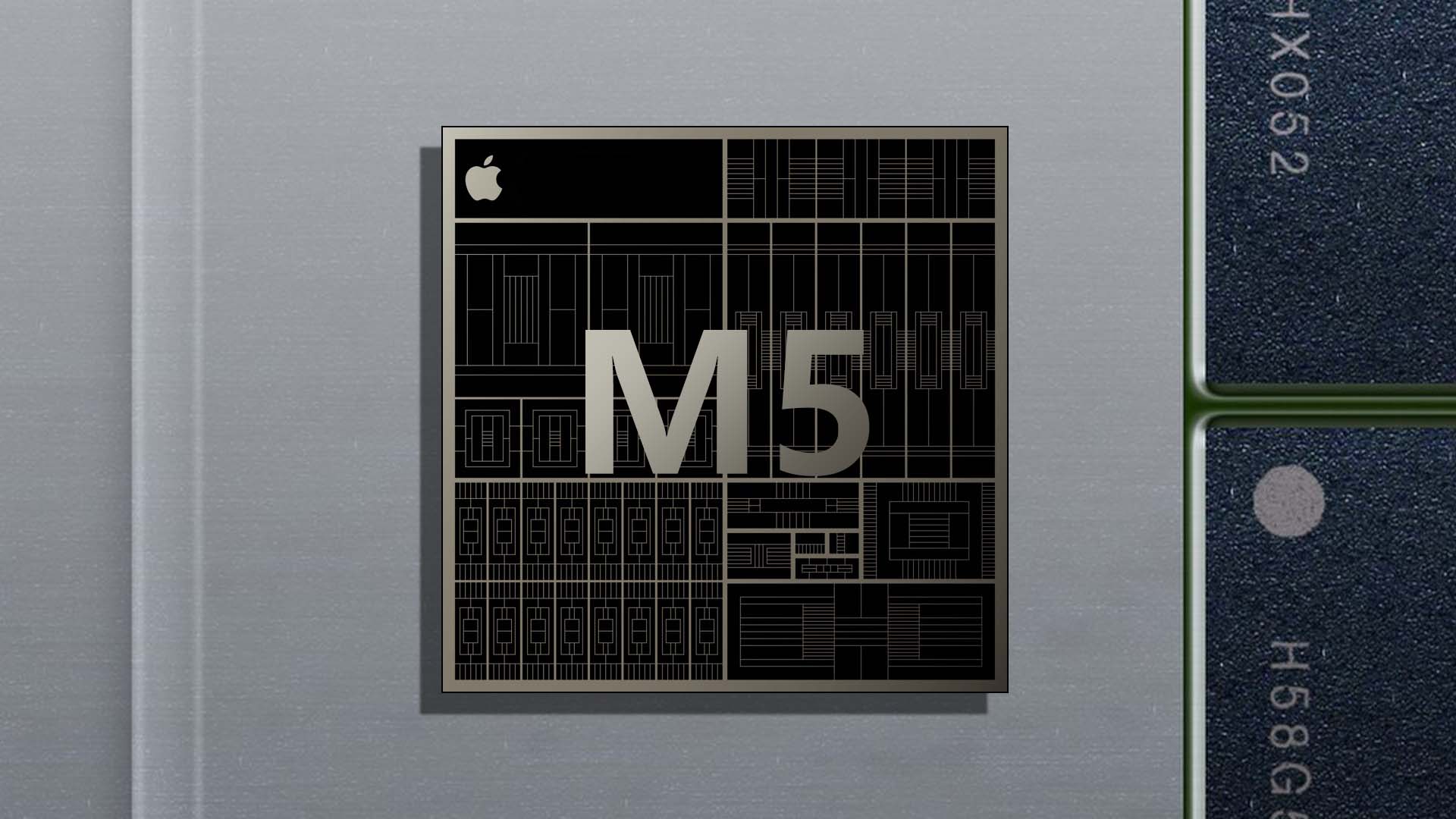
Instead, reports from Commercial Times indicate the company might be sticking with the slightly older ‘N3E’ node – the same process used for the M4.
The confusion stems from Apple’s long-standing reputation for embracing cutting-edge fabrication technologies early. Historically, the Cupertino giant has often been among the first to transition to new TSMC nodes, even when competitors hesitated. The M3 family – including the M3 Pro and M3 Max – was fabricated using TSMC’s 3nm ‘N3B’ process, a move that put Apple ahead of rivals like Qualcomm and MediaTek, which opted for the cheaper and more mature 4nm ‘N4P’ technology for their Snapdragon 8 Gen 3 and Dimensity 9300 chipsets.
This history makes the claim about the M5’s older process puzzling. If the A19 and A19 Pro – expected to share core design elements with the M5 – are built on the N3P node, then reverting to N3E for the Mac lineup would seem counterintuitive. The N3P process brings not only power efficiency and transistor density improvements but also better thermal stability – crucial for devices like MacBooks and iPads that rely on fanless designs for silent operation.
However, the financial angle might explain Apple’s rumored choice. TSMC has reportedly raised prices on both its N3E and N3P wafers, to approximately $25,000 and $27,000 per unit, respectively. With production costs already sky-high and the more powerful M5 Pro and M5 Max not expected until early 2026, Apple could be playing the long game – optimizing its cost-to-performance ratio while reserving the newer node for the high-end variants.
Still, many industry watchers suspect the report could simply be the result of a mistranslation or typographical error. Apple’s track record suggests a near-obsessive commitment to using the latest semiconductor processes for its flagship products. The company spent an estimated $1 billion just on the M3 family’s tape-out process, a sign that cost-saving compromises rarely come at the expense of innovation.
Given the tight relationship between Apple and TSMC, it’s also possible that Apple is using an enhanced version of N3E – a customized hybrid process optimized for its own designs. This wouldn’t be the first time the two firms collaborated to create a bespoke node for Apple’s unique performance-per-watt targets. Meanwhile, competitors like Qualcomm and MediaTek are only now approaching Apple’s performance efficiency, despite using supposedly newer nodes.
In short, the M5’s rumored use of the older N3E process may not be the downgrade it initially appears. Apple’s in-house design efficiency and system integration often outweigh the benefits of raw lithography upgrades. Whether this report proves true or not, Apple’s silicon strategy remains unmatched – balancing performance, battery life, and software optimization in ways few can replicate. When the M5 finally arrives, it will likely reaffirm Apple’s dominance in the laptop and tablet chip arena, regardless of which 3nm flavor it’s built upon.
1 comment
bro people really think apple cutting corners… y’all forgot M3’s $1B tape-out cost?? 😂