Apple’s latest round of quiet restructuring shows that even the world’s most profitable tech giant is not immune to cost-cutting pressure. Behind the glossy keynotes and record-priced gadgets, Apple is going through a slow but deliberate clean-up of internal roles that executives now see as nice to have rather than essential. 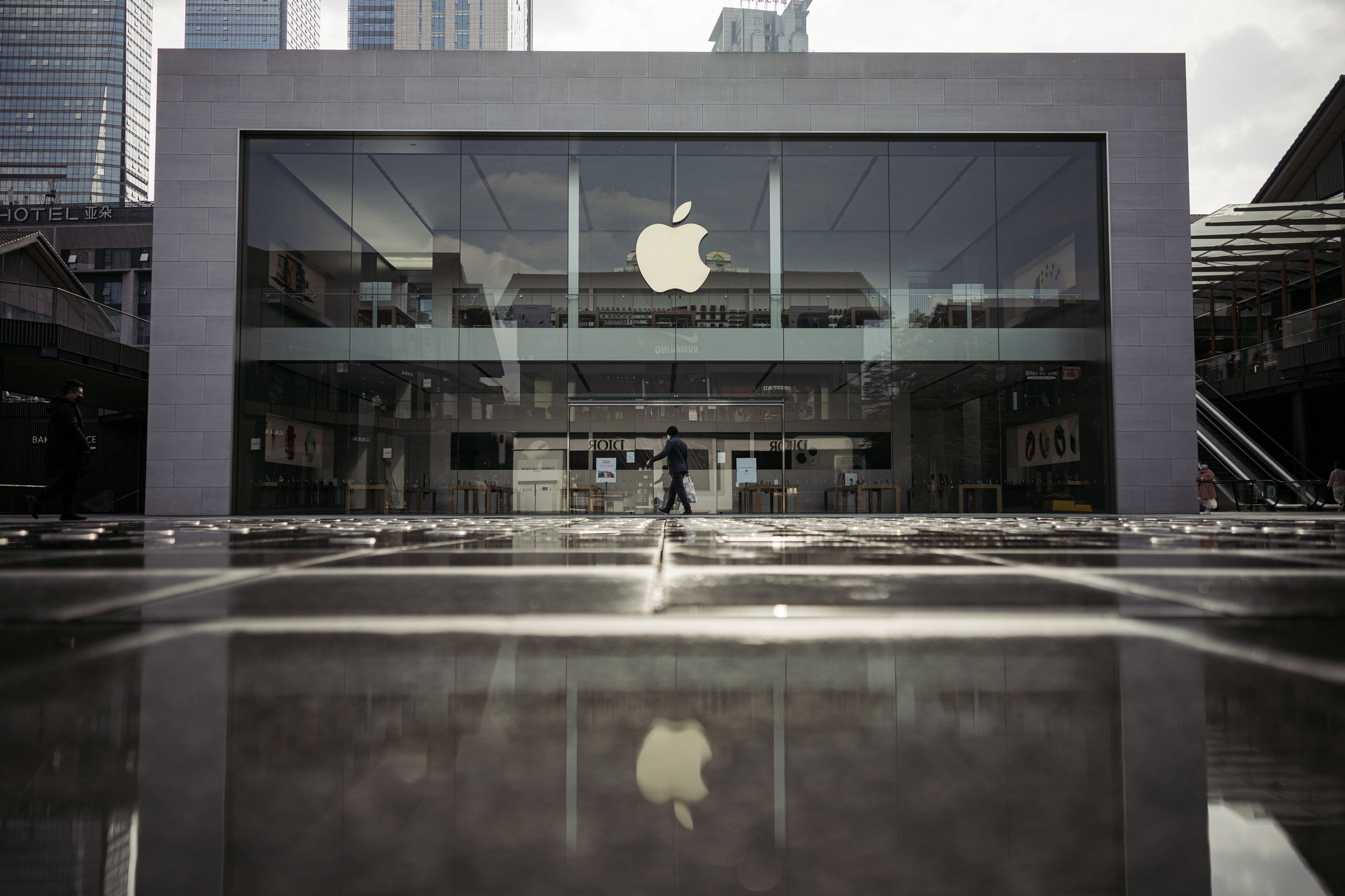
The latest target: parts of the company’s sales organization that deal directly with institutions instead of everyday consumers.
According to internal briefings described by people familiar with the matter, Apple has eliminated dozens of positions in the group that sells hardware and services to schools, large corporations, and government agencies. These are not frontline retail workers in Apple Stores, but experienced account managers who handled big clients, nurtured long-term relationships, and hosted high-touch briefings for major customers at dedicated centers. In many cases, those employees were told their current role is being dissolved but that they can try to land elsewhere inside the company.
Staff affected by the move have been given a tight deadline: they have until January 20 to secure another position at Apple. Those who fail to find a new internal home will receive severance and see their Apple chapter closed for now. Officially, the company stresses that it is continuing to hire, framing the shake-up as a reallocation of resources rather than a classic mass layoff. For the people whose jobs suddenly vanished, the distinction feels mostly semantic.
Strategically, the message is clearer. Apple is shifting more of the heavy lifting in institutional sales to third-party retailers, resellers, and carrier partners that already move huge volumes of iPhones, iPads, and Macs. If a university or a ministry can place a bulk order through an external partner, Apple can save on the cost of maintaining its own dedicated account managers and briefing staff, while still collecting premium margins on high-priced devices and lucrative upgrades.
That logic is precisely what irritates many customers and observers. When a company that sells smartphones approaching $2,000, charges eye-watering premiums for extra RAM, and asks hundreds of dollars more for an additional terabyte of storage starts trimming staff, it is hard not to see it as pure financial optimization. Online, users joke that the people behind those $1,500 RAM options and $700 SSD bumps have somehow decided that profits still are not enough, so somebody in sales has to go. There is a growing feeling that Apple is happy to keep raising the bill for buyers while quietly cutting back on the people who support those deals.
Yet Apple’s approach to job cuts does stand out from the mass layoffs that have swept through Silicon Valley since 2022. While other tech giants chopped tens of thousands of workers in one swing, Apple has preferred a scalpel to a chainsaw. It shuttered its long-delayed electric car effort, Project Titan, in 2024, costing around 700 roles tied to that initiative. Later that year, it trimmed roughly a hundred positions across Apple News and Apple Books, and in early 2025 about 185 employees at its headquarters were dismissed following an internal fraud investigation. There has been pain, but nothing like the industrial-scale layoffs at rival firms.
For employees in the sales organization, however, the latest cuts are a cultural shock. Apple has long enjoyed a reputation as a relatively stable place to build a career compared with more chaotic competitors. Being told to scramble for a new role within weeks – or accept severance – clashes with that image of security. Some insiders worry that experienced enterprise salespeople, who know how to navigate complex, slow-moving deals with big institutions, will simply walk away rather than fight for a different desk in a completely new division.
The risk for Apple is that ceding too much of the relationship to third-party partners erodes the tight control it likes to have over the customer experience. Universities and government agencies that once had a direct line to a named Apple manager may now find themselves dealing with an external reseller whose incentives, training, and after-sales priorities do not always match Apple’s own. In the short term, the change will likely look like a clean saving on spreadsheets. Over time, the loss of direct feedback, nuanced understanding of institutional needs, and loyalty from big customers could prove more expensive than it appears today.
Still, for investors, the move will be framed as another example of Apple getting leaner without touching its most glamorous teams. Product design, chip development, and flagship software projects remain the crown jewels, while support functions and back-office operations are quietly re-evaluated line by line. The lesson in Cupertino’s latest shuffle is simple: even in a company famous for premium prices, towering margins, and enormous cash reserves, there is always another corner of the org chart that can be trimmed in the name of efficiency.
2 comments
Bro, if you can’t afford to keep account managers after selling $2k iPhones, maybe the problem isn’t costs, it’s greed. Those margins gotta be wild
So let me get this straight… they sell phones close to 2k and charge like another kidney for RAM and SSD, but somehow the solution is firing sales ppl? 😂 ok Apple