Apple’s First Foldable iPhone: Bigger Screens, 24MP Under-Display Selfie, and a Bold No-FaceID Choice
Apple’s first foldable iPhone is shaping up to be the company’s most radical hardware departure since the original notch. According to specification sheets circulating among investors and supply-chain watchers, Apple is targeting the second half of 2026 for a book-style foldable – often dubbed the iPhone Fold. The headline is eye-catching: a 24-megapixel under-display selfie camera (UDC) and, just as notably, no FaceID. 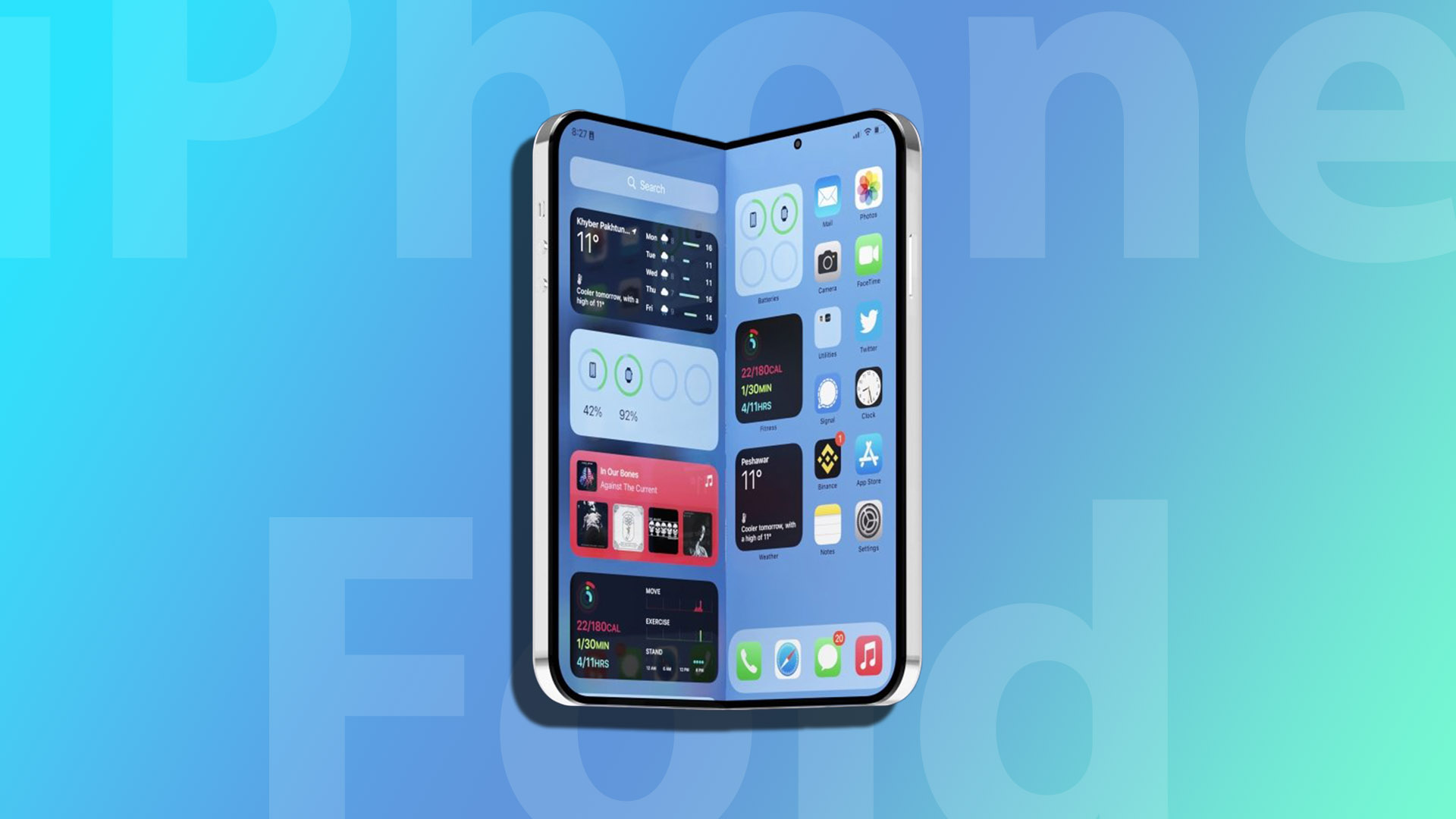
That pair of decisions hints at a camera-first approach to the inner display and an authentication rethink tailored to the realities of folding glass.
Let’s start with the design blueprint. The device reportedly folds like a book, with a sub-10mm profile when closed – ambitious for a hinge-based phone where thickness easily balloons. Inside sits a 7.8-inch primary panel meant for apps, media, and multitasking; outside, a 5.5-inch cover screen provides quick interactions without unfolding. If Apple sticks close to those dimensions, the inner canvas will rival a small iPad mini experience while the outer screen remains one-hand friendly.
The camera stack is unusual by current iPhone standards. Around back, Apple is said to be opting for a dual-camera arrangement rather than the usual triple array. One of those lenses is a 48-megapixel ultra-wide, a resolution bump that suggests Apple is prioritizing landscape, travel, and video creators who live on that wider perspective. There’s no telephoto, no time-of-flight (ToF) depth sensor, and no variable aperture on the spec sheet – decisions that keep weight and complexity down, and likely help hit the thinness target. If you’re a heavy portrait shooter at 2–3×, Apple may lean more heavily on computational zoom instead of optics on this first-gen foldable.
The most intriguing component is up front. A 24MP under-display selfie camera means the pixels of the inner screen sit above the sensor, letting Apple deliver a full, uninterrupted canvas for video calls and creative work. UDC tech has historically struggled with haze and softness because light must pass through the display matrix; a higher-resolution sensor helps by oversampling and binning for cleaner results. Apple’s image pipeline – Smart HDR, Deep Fusion, and adaptive sharpening – will need to do the rest. The tradeoff appears to be FaceID. With no dedicated dot projector and infrared stack peeking through a notch or Dynamic Island, Apple is rumored to skip FaceID entirely on this model. Expect either a sophisticated in-display Touch ID, a power-button capacitive reader, or a refined passcode-plus-biometrics flow. It’s a brave call that keeps the inner panel pristine and the hinge engineering simpler.
Under the hood, Apple’s in-house C2 modem and an A-series chipset labeled A20 are on the cards, paired with 12GB of RAM and up to 1TB of storage. Those numbers align with a device pitched at power users who render video, juggle Stage Manager-style multitasking, and move large ProRes files around. A battery reportedly up to 5,500mAh should help offset the demands of two high-refresh displays and a desktop-class processor. Even so, thermal balance and endurance will be the tightrope any foldable must walk – particularly one this thin.
On price, prepare for a premium. Early guidance pegs the MSRP near $2,000, landing the iPhone Fold squarely against ultra-flagship foldables already on the market. Apple’s differentiator, if it follows the company’s usual playbook, will be long software support, deep ecosystem integrations (continuity camera, AirDrop, Universal Clipboard), and a first-party accessories story that actually embraces folding ergonomics rather than merely tolerating them.
Beyond 2026, there’s a second camera storyline brewing for the conventional slab iPhone roadmap. A reliable industry watcher suggests the 2027 iPhone 20 family will adopt LOFIC – short for Lateral Overflow Integration Capacitor – within its CMOS sensors. In plain English, LOFIC is designed to capture both very dim and very bright detail simultaneously, expanding dynamic range dramatically. Current iPhones hover around 13 stops; the LOFIC approach is said to target roughly 20 stops, pushing the imaging envelope toward cinema-grade territory for both photos and video. Think sunsets where the sky retains texture and the foreground doesn’t collapse into shadow, or concerts where specular highlights don’t smear while faces stay clean. The technology mitigates the classic tradeoff between sensitivity and saturation, and could reduce the need for heavy multi-frame HDR blending in fast-moving scenes.
Taken together, the iPhone Fold and the LOFIC-equipped iPhone 20 sketch Apple’s two-track camera strategy: remove physical intrusions on expansive displays by hiding the selfie camera under the panel, and elevate image quality on the mainstream line by rewriting the sensor’s dynamic range economics. If Apple nails the hinge feel, crease management, and durability – still the make-or-break for any foldable – its first model could be less about chasing specs and more about delivering a convincing, everyday tablet-phone hybrid that finally feels “Apple simple.”
One final note for roadmap watchers: whispers around an iPhone Air 2 and iPhone Air 3 suggest Apple is also experimenting with lighter, more affordable tiers elsewhere in the lineup. That context makes the Fold’s choices easier to parse. The foldable can be unapologetically premium and experimental, while the Air line carries the mass-market volume. 2026–2027 could therefore be the moment Apple redraws the iPhone family tree with clearer roles for each branch.
For now, all of this remains pre-launch guidance and well-sourced rumor. But the picture is becoming coherent: a thin, book-style foldable with a 7.8-inch inner display, 5.5-inch cover, 24MP UDC, dual rear cameras led by a 48MP ultra-wide, A20 silicon with 12GB RAM, up to 1TB storage, a big 5,500mAh battery, no FaceID – and a price tag that makes a statement. If Apple sticks the landing, 2026 could be the year the foldable category moves from curiosity to default option for power users in the ecosystem.
2 comments
24MP UDC sounds great, but will it still look foggy under the screen?
If it’s really under 10mm folded, that hinge better be magic