Apple has officially unveiled the iPhone 17 series, and the spotlight this year falls on an entirely new model: the iPhone Air. At just 5.6mm thick, it is not only the thinnest iPhone ever made but also one of the slimmest smartphones in the industry. Apple achieved this razor-thin profile by taking a bold step: the iPhone Air ships without a physical SIM slot. 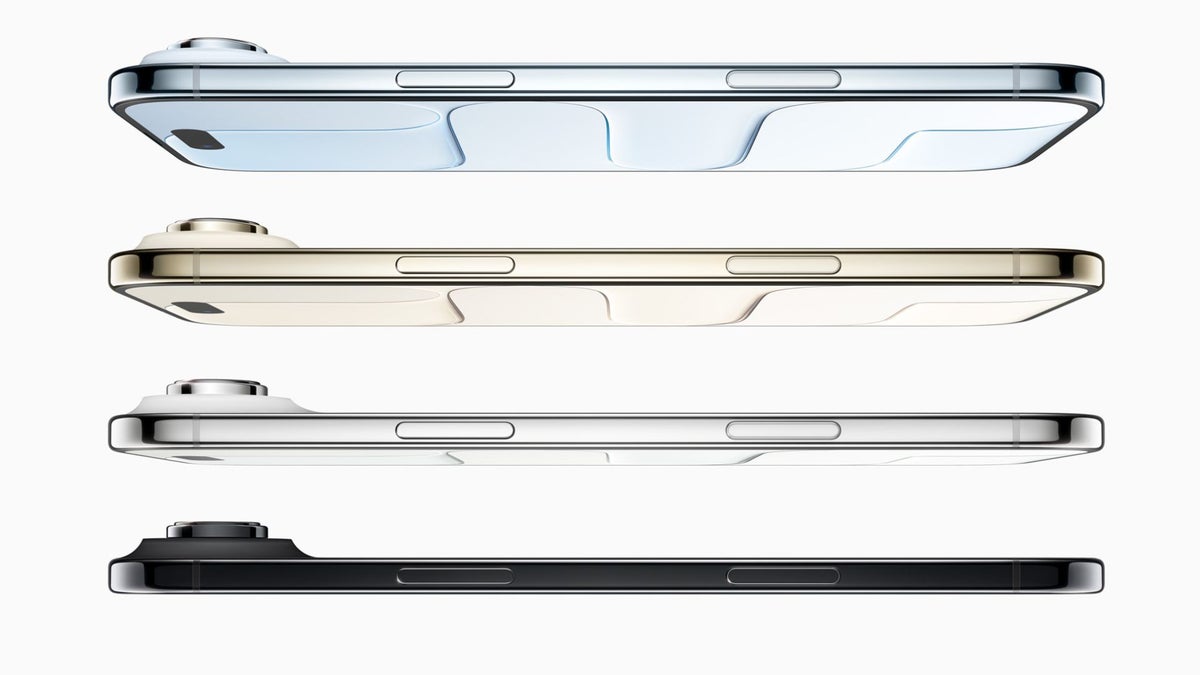
Instead, it relies entirely on eSIM technology, a move that’s both forward-thinking and controversial.
Why Apple went all-in on eSIM with iPhone Air
The decision to eliminate the SIM tray isn’t just about aesthetics. By removing the slot and its ejector mechanism, Apple reclaimed precious internal space. That freed-up area has been allocated toward slightly increasing the battery size – an upgrade customers have been demanding for years. The absence of a physical SIM port also reduces dust and water entry points, contributing to stronger durability and a higher IP rating for the iPhone Air.
Apple positions eSIM as the logical next step in mobile connectivity. Unlike traditional SIM cards, eSIMs are embedded directly into the device. They can be activated instantly with carriers around the world, without the need for a plastic card. Apple says more than 500 carriers globally, including AT&T, Verizon, T-Mobile, Vodafone, and Orange, now support eSIM. For travelers, this is especially handy – local prepaid eSIMs can be purchased digitally, making it easy to hop onto a foreign network without visiting a shop or fumbling with SIM ejector tools.
The pros of eSIM adoption
The advantages of eSIM technology go beyond convenience. Security is one of the biggest talking points: because an eSIM cannot be physically removed, a lost or stolen iPhone Air remains connected and trackable through Find My iPhone, offering an extra layer of protection. For frequent travelers, the ability to store multiple eSIM profiles and switch between them in iOS 26’s redesigned interface removes the hassle of carrying multiple SIM cards.
From a design perspective, Apple’s elimination of the SIM tray aligns with its broader vision of seamless, minimalistic hardware. Just as the company phased out headphone jacks and USB-A ports, Apple is betting that eSIM will soon be seen as the natural and inevitable future of mobile connectivity.
Concerns and limitations of eSIM-only devices
Not everyone is convinced this transition is painless. A physical SIM card has always offered a simple, universal backup. If your phone fails, you can insert the SIM into another device and be up and running within minutes. With eSIM, that process is tied to software activation and account management, which can be less intuitive for some users, especially outside the US and Europe where carrier adoption may lag. In certain regions, support for eSIM remains limited, meaning Apple’s aggressive shift could cause headaches for travelers or residents relying on smaller, regional providers.
Privacy advocates also point to a drawback: removing a physical SIM previously allowed users to quickly disconnect from networks, limiting traceability. With eSIM permanently embedded, cutting off connectivity is no longer as straightforward. While such cases may be niche, they highlight that the trade-off for thinness comes with subtle compromises.
How iPhone Air compares to competitors
Other manufacturers have taken more flexible approaches. Samsung’s Galaxy S25 Edge, for example, includes both an eSIM and a physical SIM tray, letting users choose what works best. That dual support proved invaluable for some travelers, who could use eSIM for roaming while still swapping a local SIM when needed. Google is also leaning into eSIM, with the Pixel 10 series going eSIM-only in the US, although the foldable Pixel 10 Pro Fold still retains a tray. Apple, however, has committed fully – if you buy an iPhone Air, eSIM is your only option.
The bigger picture
Ultimately, the iPhone Air signals Apple’s long-term strategy: slim down hardware while pushing the market toward digital-only standards. For many users in the US and Europe, the transition will be seamless, thanks to broad carrier support and Apple’s intuitive software setup. For others, especially in countries with slower eSIM adoption, this shift might feel premature. But Apple has never been shy about forcing change, and just as it once nudged the world away from physical keyboards, optical drives, and headphone jacks, it’s now betting that eSIM is ready to replace the plastic SIM card entirely.
Whether you see it as liberation or limitation, one thing is clear: the iPhone Air is a bold experiment in how far Apple is willing to go to reshape the smartphone experience in the name of design and future-forward thinking.
2 comments
Security part is nice tho, no thief can just pop ur sim n vanish, it stays trackable 👍
Tbh I get the point, less holes = less dust n water in, makes sense for thin phone design