The iPhone has gradually evolved from being a high-end smartphone into a cultural symbol, and with that status comes an inevitable shift in pricing. What once sounded like an exaggeration – an iPhone hitting the $2,000 threshold – has now become reality, not because of American manufacturing pressures, but because Apple itself has chosen to expand its lineup and normalize premium pricing.
Back in the days of President Donald Trump’s push for Apple to build its devices in the United States, speculation ran wild. Commentators warned that tariffs, higher wages, and logistics could push iPhone costs sky-high, with some even forecasting models at $2,500 or $3,000. 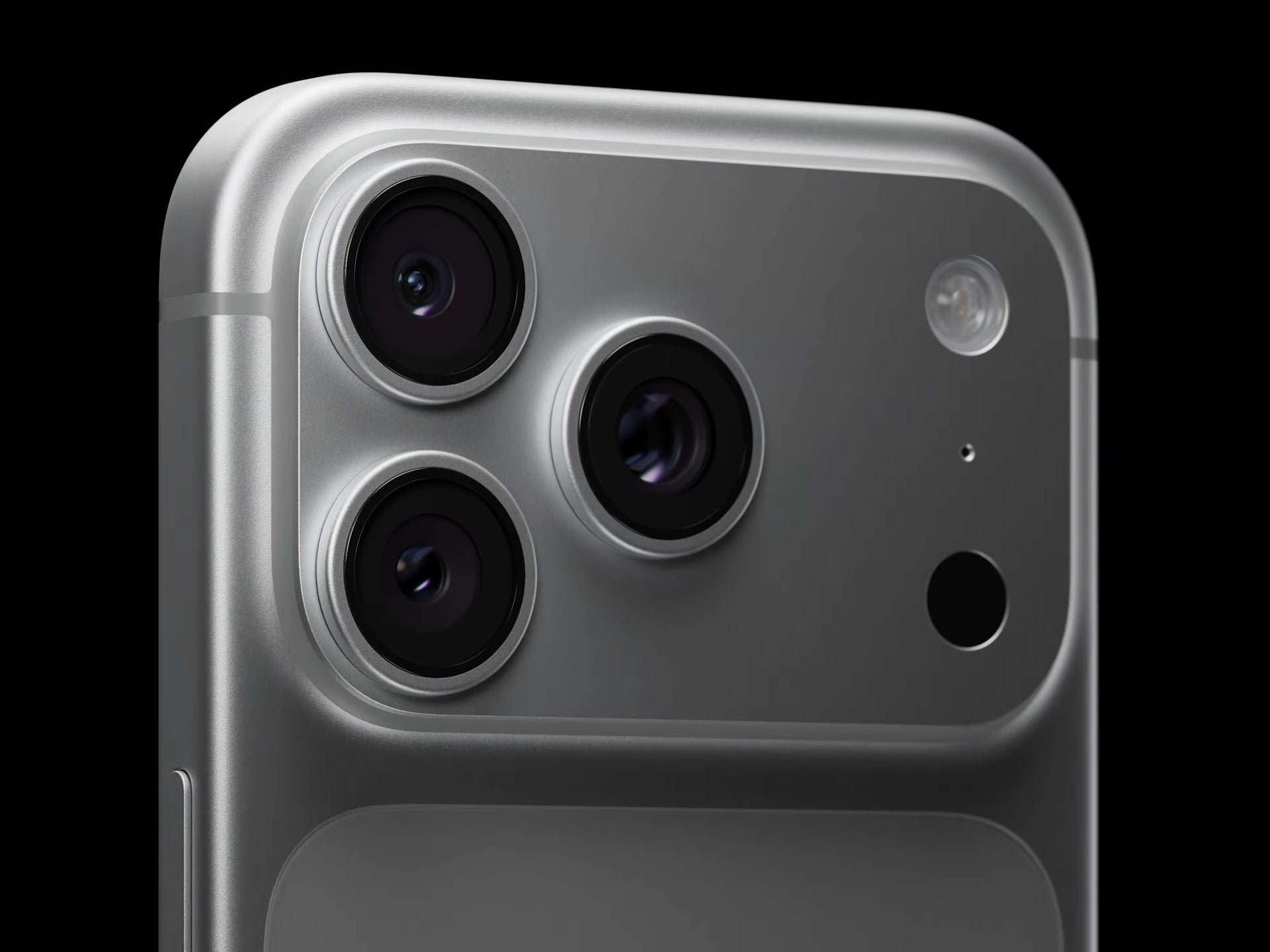
While those scenarios never materialized, the arrival of the iPhone 17 Pro Max with a 2 TB storage option has effectively brought us to the $2,000 era anyway. That particular model is designed for a niche group – professionals capturing massive amounts of high-resolution video – but its existence sets a precedent. Consumers now see the $2,000 label as a legitimate part of Apple’s catalog rather than a shocking outlier.
Industry expert Mark Gurman recently highlighted this development in his Power On newsletter, noting that Apple’s strategy is deliberate. By introducing ultra-expensive models, the company shifts expectations. Customers accustomed to buying the Pro or Pro Max variants are now confronted with price brackets once considered impossible for mainstream smartphones. Apple’s aim seems clear: condition its loyal audience to accept $2,000 as a standard high-end price point.
The timing aligns with Apple’s ambitious roadmap. Over the next three years, the company plans to unveil two major devices: a foldable iPhone and the 20th anniversary iPhone Pro. Both products are expected to redefine what an iPhone can be, from form factor to performance, and neither will be cheap. Analysts believe even the base configurations may begin near $2,000, making the once-farfetched prediction a baseline reality.
Several forces are pushing Apple toward this pricing strategy. Global supply chains remain unstable, advanced semiconductor nodes such as 2 nm chips cost more to produce, and inflation affects nearly every component in consumer electronics. Tariffs and geopolitical frictions add further uncertainty. Combined, these factors create the perfect storm that nudges premium devices higher.
The real question is how consumers will respond. On one hand, a portion of the audience might delay upgrades, stretching their devices for four or five years instead of upgrading every two. On the other hand, Apple has a proven history of maintaining strong demand even with rising prices. When the $1,000 iPhone X debuted in 2017, critics predicted market rejection – but instead, it became one of Apple’s best sellers and redefined the premium category. The same may happen again with the $2,000 generation, and once Apple normalizes the pricing, rival manufacturers like Samsung are almost certain to follow.
In the end, Apple is betting that brand loyalty, the ecosystem lock-in, and the allure of cutting-edge innovation will outweigh sticker shock. For many consumers, an iPhone is no longer just a phone – it’s a central tool for work, entertainment, communication, and identity. That makes the leap to $2,000 not just possible, but likely to become the new normal.
3 comments
Apple just testing how far they can push us 💸
ngl if its foldable and anniversary edition I might cave
they always said 3k was fearmongering but we almost there