As Apple approaches the 20th anniversary of the iPhone, the company appears to be planning a milestone worthy of the occasion – a radical transformation of its camera technology. According to early leaks from reliable sources, Apple may finally step away from third-party camera sensors and introduce its own proprietary imaging hardware: the LOFIC sensor. 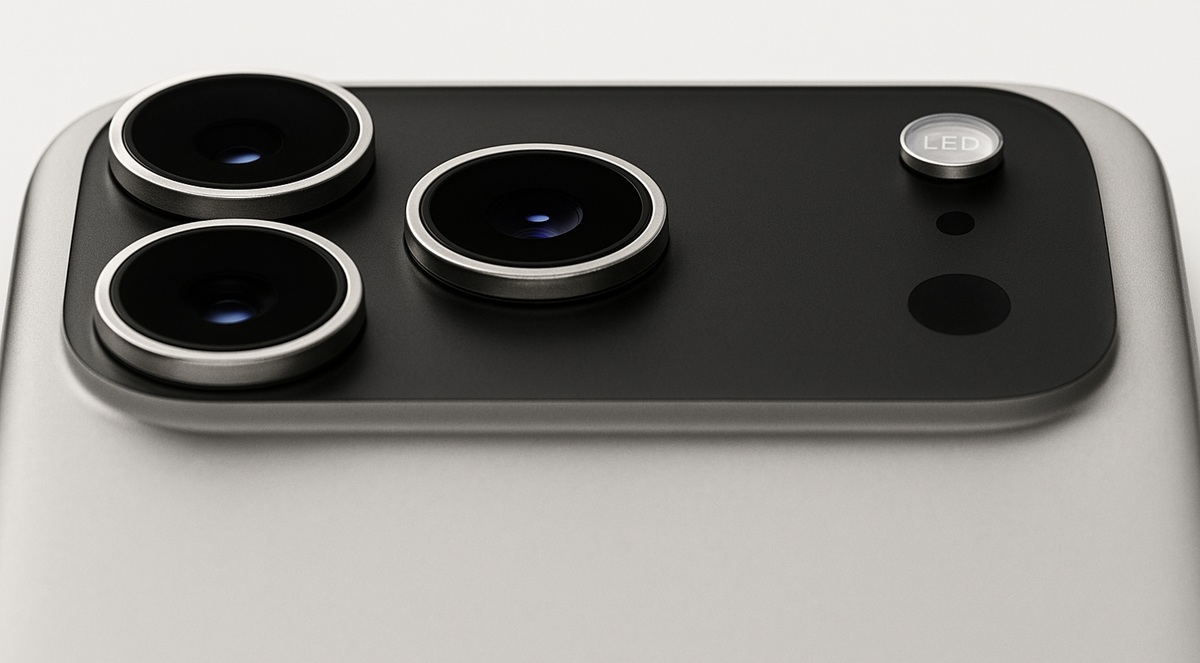
If true, this move could redefine mobile photography once again, positioning the iPhone 20 as one of the most significant camera upgrades in Apple’s history.
The acronym LOFIC stands for Lateral Overflow Integration Capacitor, a sophisticated sensor design that dramatically expands a camera’s dynamic range. In simple terms, it captures more detail in both shadows and highlights by storing excess light instead of letting it wash out the image. The result? Sharper contrasts, richer colors, and film-like exposure control previously reserved for professional cinema cameras. If Apple can refine this technology in-house, the iPhone 20 may leap ahead of its rivals in image realism and low-light performance.
The leak originated from Korean leaker yeux1122 via Naver, who claimed that Apple’s engineers are already testing prototype LOFIC sensors for use in the 2027 flagship iPhone lineup. While the Cupertino company is known for its incremental updates, this would mark a rare moment of full hardware reinvention – one that Apple itself designs from silicon to software. Given that Chinese competitors such as Xiaomi, Huawei, and Honor have already deployed LOFIC-based sensors in their high-end models like the Xiaomi 17 Pro and Huawei Pura 80 Ultra, Apple’s entry signals not imitation but optimization. As always, Apple’s approach is not to be first – but to be best.
Meanwhile, the rest of the smartphone industry isn’t sitting still. OPPO and Vivo reportedly plan to launch their own LOFIC-equipped phones in 2026, powered by Sony’s new LYT-838 and LYT-910 sensors. Sony, still the dominant force in mobile imaging, intends to supply these to its long-term partners. That puts Samsung in a curious position: despite leading the pack in display technology and processing, it may actually lag behind in adopting LOFIC sensors. The Galaxy S26 series, rumored to launch without the technology, could mark a turning point where Apple regains its image-quality advantage.
For Apple enthusiasts, the iPhone 20 could symbolize both nostalgia and innovation – the culmination of two decades of evolution since the first iPhone redefined what a smartphone could be. Many users have long praised Apple’s color science and computational photography but also criticized its relatively conservative hardware. A new sensor developed entirely in-house could close that gap, giving the iPhone a genuine leap forward instead of another small step. If the LOFIC sensor lives up to expectations, Apple’s anniversary device might not just take better photos – it could mark the dawn of a new imaging standard for the next decade.
Of course, there’s one caveat most fans already anticipate: the price. Revolutionary technology has never come cheap in Apple’s ecosystem. With rumors swirling about the cost of custom sensor manufacturing and new optical modules, it wouldn’t be shocking to see the iPhone 20 come with a premium price tag. Still, for many loyal fans and professional creators, that price may feel justified if the payoff is DSLR-level quality in a phone that fits in your pocket.
1 comment
ngl if it really hits cinema-level quality i might finally ditch my camera 🎥