Apple’s upcoming iPhone 20 may mark one of the boldest hardware redesigns in the company’s history – especially when it comes to its buttons. According to new reports from Chinese social media, Apple is preparing to abandon mechanical buttons altogether in favor of solid-state, haptic-based controls. 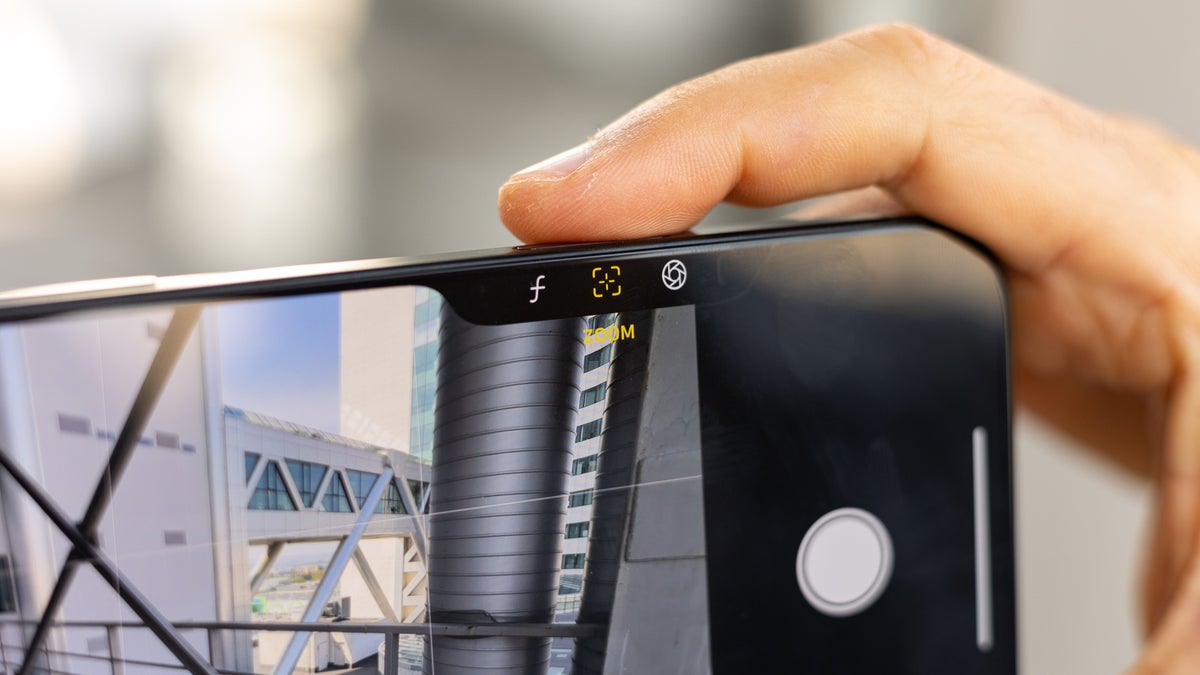
Yet, ironically, even as Apple prepares to revolutionize its interface, one of the least exciting buttons – the Camera Control – is set to stay right where it is, albeit in a refined form.
The shift toward haptic feedback isn’t entirely new territory for Apple. The company has already perfected this illusion of motionless mechanics with its MacBook trackpads, which haven’t had physical clicks for years but still manage to deliver a convincing tactile response. The upcoming iPhone 20, reportedly scheduled for release in 2027, is expected to extend that illusion to every button on the device – including the power key, volume rockers, Action button, and Camera Control button. In essence, the iPhone’s buttons could become entirely static surfaces, responding only through subtle vibrations that mimic physical feedback.
The source, a Weibo leaker known as Instant Digital, claims that Apple has already completed functional verification tests for this new system and that it’s ready for mass production. If true, the iPhone 20 could arrive as a kind of spiritual successor to the iPhone X – a device that once redefined Apple’s design philosophy by eliminating the home button. Now, history may be repeating itself as Apple seeks to erase the last vestiges of traditional mechanical input.
Interestingly, before this complete transition happens, Apple is reportedly planning to test the waters with a redesigned Camera Control button on the iPhone 18. This button, which currently uses a mix of capacitive and pressure sensors beneath a sapphire surface, will lose its capacitive layer in favor of a pressure-only design. The result should be a simpler, cheaper component that maintains nearly the same responsiveness while lowering manufacturing costs – a win for Apple’s supply chain optimization efforts.
While some might expect groundbreaking functionality from the iPhone 18’s button refresh, industry experts suggest that the change will be more about refinement than innovation. Competing flagships like the Oppo X8 Ultra and Vivo X200 Ultra already manage multiple touch gestures using just pressure sensors. Apple, however, tends to polish such technologies to perfection, ensuring that even the most skeptical users forget they’re not pressing a real button. Given the company’s track record, few doubt its ability to make haptic buttons feel more premium than physical ones ever did.
It’s a curious move: Apple is simultaneously simplifying its hardware and advancing its sensory illusion. The future iPhone may have no moving parts on its exterior, yet feel more alive than ever. And while the Camera Control button might not be the most glamorous feature on the device, its evolution symbolizes Apple’s broader design philosophy – minimalism powered by intricate engineering.
1 comment
gonna miss the satisfying click tho, not sure haptics can replace that