Apple is about to change one of the most predictable rituals in consumer tech: the annual iPhone launch. According to reports from carrier partners and detailed in Mark Gurman’s Power On newsletter, the company is preparing a staggered release strategy that will debut with the iPhone 18 generation. 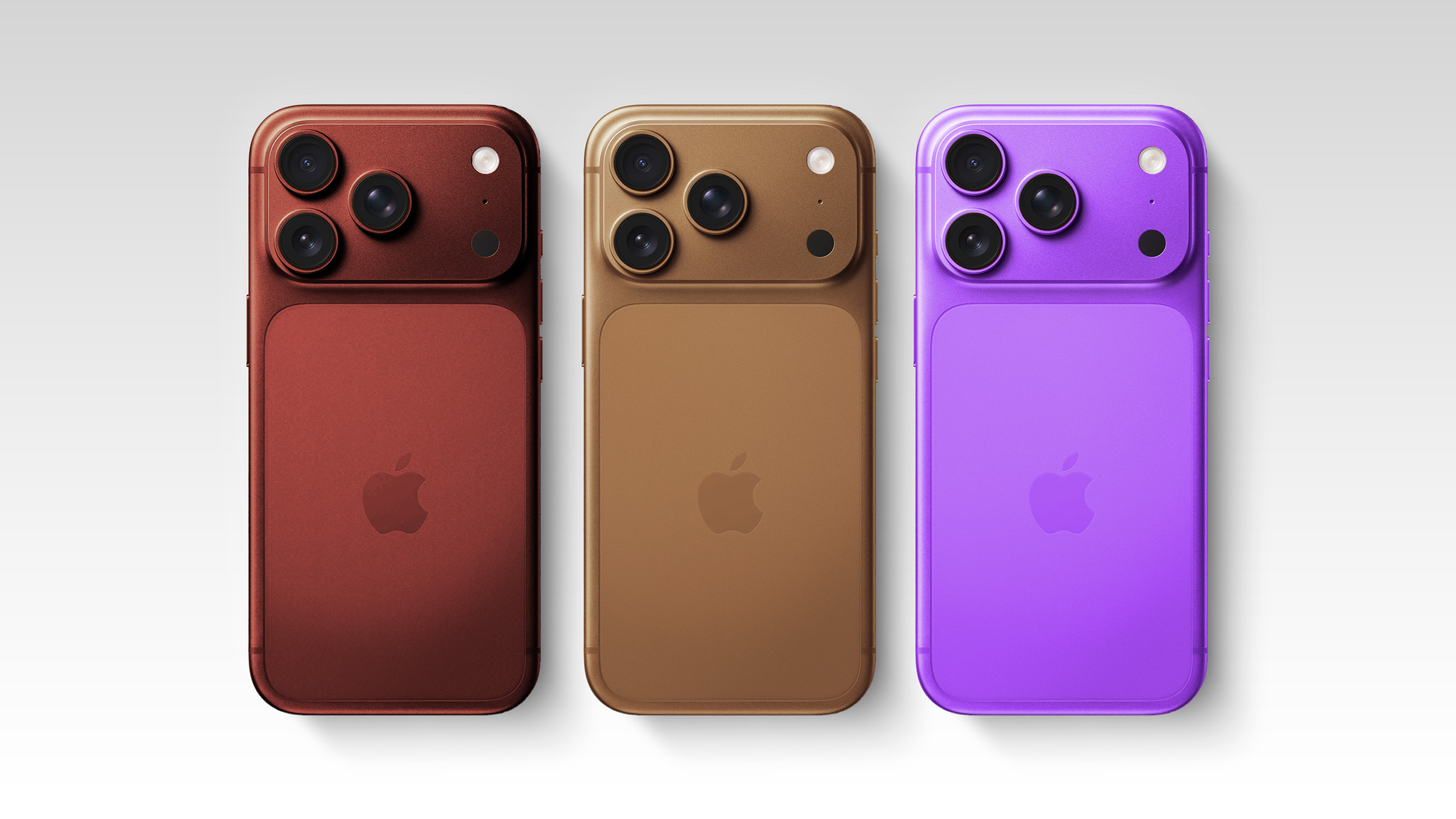
Instead of dropping an entire family of phones in a single September event, Apple plans to spread its biggest launches across different moments in the year.
On paper it sounds like a simple scheduling tweak. In reality, it reshapes how Apple positions the iPhone against Samsung Galaxy and Google Pixel devices, how often you are nudged to upgrade, and even how much pressure is placed on factories and engineers behind the scenes.
How the new iPhone 18 calendar works
From the iPhone 18 cycle onward, Apple’s flagship hardware will effectively be split into two waves. The high-end models – iPhone 18 Pro, iPhone 18 Pro Max and Apple’s first mainstream foldable iPhone – are still expected to land in the classic fall window of 2026, lining up with the company’s traditional back-to-school and holiday push.
The second wave is where things get interesting. The standard iPhone 18, the more affordable iPhone 18e and the second-generation iPhone Air are now tipped to arrive several months later, in the first half of 2027. Before that, early 2026 should bring a lone budget launch in the form of the iPhone 17e, acting as a bridge between the current lineup and Apple’s new rhythm.
This means iPhone season will no longer feel like a single, one-night-only show. Instead, Apple will have multiple anchor moments: one focused on premium tech and bleeding-edge design, another centred on value, mainstream buyers and aggressive carrier deals.
Why Apple is staggering iPhone 18 launches
There is a clear competitive logic. Samsung has long used its Galaxy S and foldable launches to dominate different parts of the year, while Google is increasingly aggressive with its Pixel flagships and the budget-friendly a-series, including the upcoming Pixel 10a. By staggering its iPhone 18 launches, Apple can meet each of these rivals on more even footing: Pro and foldable models versus Galaxy Ultra and foldables; e-series and Air models versus affordable Galaxy and Pixel devices.
It also unlocks a true annual cadence for Apple’s cheaper phones. The e-series can become a reliable once-a-year update aimed at price-sensitive buyers and emerging markets, instead of feeling like an afterthought that appears whenever it fits the main keynote. For the first time, Apple’s budget users get a predictable calendar, not just whatever is left over after the Pro spotlight.
Supply chains, software and breathing room
Beyond marketing, the new calendar gives Apple extra breathing room behind the scenes. Spreading manufacturing across two major windows should reduce peak stress on suppliers, logistics partners and retail channels. Fewer products rushing through the pipeline at the same time means more flexibility to respond to component shortages or unexpected demand spikes, and less risk that one delayed part quietly wrecks the entire launch.
There is a software angle too. After several rocky iOS releases in the mid-2020s, with bugs lingering for months, any move that gives engineers more time to stabilise features before they ship on millions of new iPhones is welcome. A staggered rollout makes it easier to prioritise core features for the Pro line first, then refine them before they reach the wider iPhone 18 and 18e audience. In theory, fewer last-minute hardware surprises should also mean fewer emergency software patches.
The risk of too many iPhones
Not everyone is cheering. Some long-time users already feel overwhelmed by Apple’s naming scheme and dense lineup. With iPhone 17e, iPhone 18, iPhone 18e, iPhone Air and multiple Pro and foldable variants, it is easy to imagine shoppers standing in a store thinking, ‘Which one am I supposed to buy?’ Expanding the range risks diluting the iPhone brand, complicating manufacturing and making comparison shopping harder for normal people who just want a good phone.
Each extra model adds cost and complexity: more components to track, more configurations to test, more marketing messages to explain. The benefit of a split schedule will only be fully realised if Apple draws much sharper lines between tiers, instead of leaving everything to fine print.
What it means for everyday buyers
Apple will need to counter that risk by making the differences between models painfully obvious. That means clearer marketing, simpler carrier plans and honest explanations of who each device is for: Pro and foldable for enthusiasts and early adopters; iPhone 18 and Air as the mainstream choices; 18e and 17e for buyers who care more about price than pixel counts.
The old rule of thumb – wait for the big September keynote – is about to expire. If you care about cameras, displays and cutting-edge features, the iPhone 18 Pro, iPhone 18 Pro Max and foldable iPhone will still be the main event in fall 2026. If you mainly look for the best balance of price and modern hardware, it may make more sense to watch the first half of 2027, when the iPhone 18, 18e and next-gen iPhone Air are expected to arrive.
I will miss the simplicity of one giant iPhone day as much as anyone. But judged purely as strategy, spreading launches across the calendar, easing supply-chain pressure and turning budget models into predictable annual products might be one of Apple’s smartest moves in years – as long as it does not drown us in so many options that the old magic of just getting the new iPhone does not disappear completely.
1 comment
Tbh spreading the launches might be smart, i always hated when everything dropped in Sept and my carrier deals were trash by December