Apple’s next-generation iPhone 18 lineup is shaping up to introduce one of the most significant camera upgrades in recent years – variable aperture technology. According to new reports, this feature will allow the iPhone’s camera to automatically adjust the lens opening, balancing light intake and depth of field depending on the shooting environment. In simpler terms, it means users could achieve sharper photos in bright sunlight and better low-light performance without relying solely on software tricks. 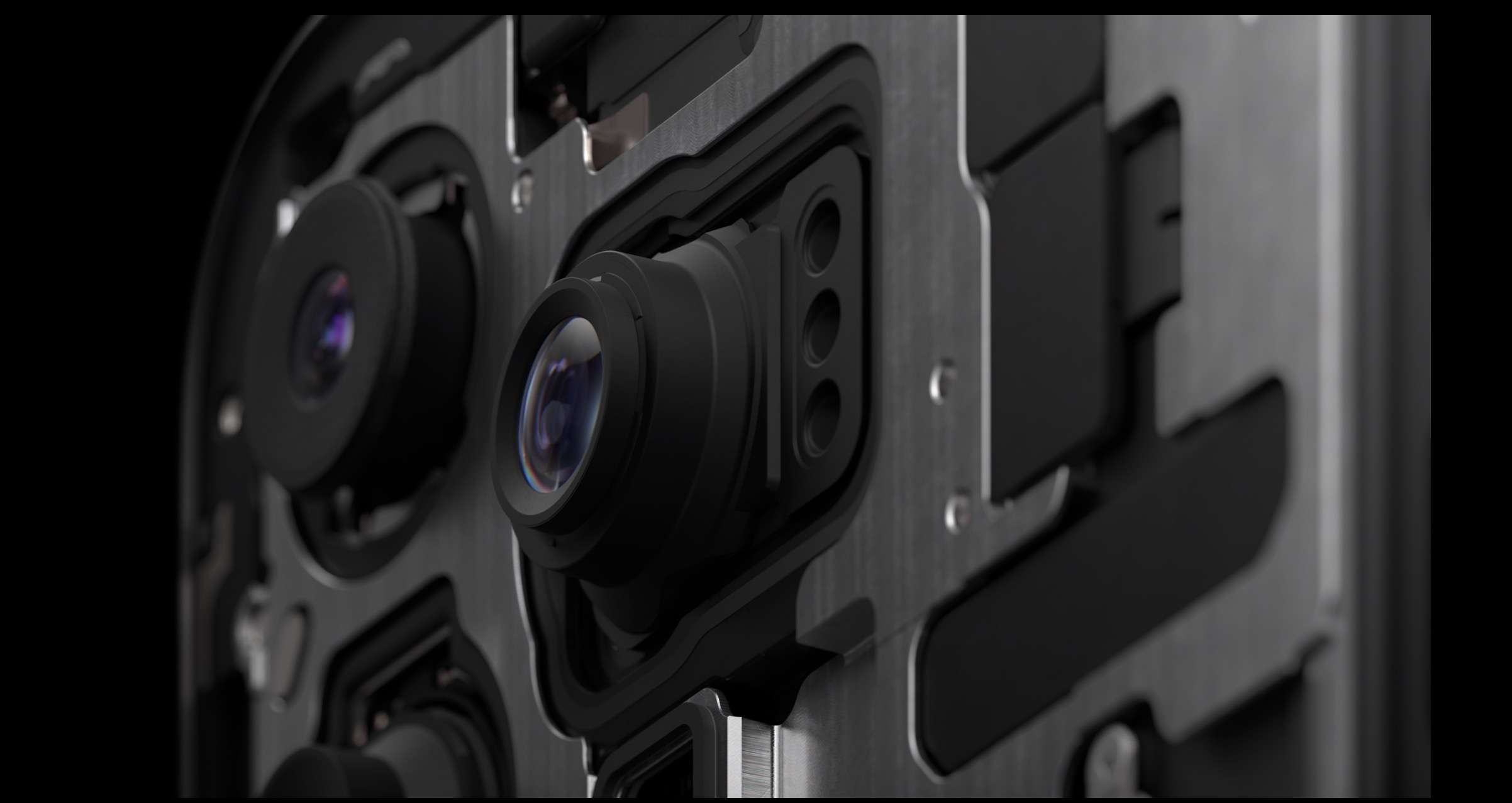
However, as with most cutting-edge Apple features, the innovation will likely be reserved for premium buyers. Only the iPhone 18 Pro and iPhone 18 Pro Max are expected to receive the variable aperture system, leaving the standard models out once again.
This marks another chapter in Apple’s gradual but deliberate approach to camera innovation. Critics have often pointed out that Apple tends to arrive late to the party when it comes to certain technologies. For example, the company only introduced a true periscope telephoto lens with the iPhone 15 Pro Max – years after Samsung and Huawei made it standard on their flagship models. Interestingly, Samsung was also among the first to experiment with variable aperture technology, having launched it with the Galaxy S9 series back in 2018. Despite the initial excitement, the feature disappeared in subsequent generations due to engineering complexity, added cost, and the challenge of maintaining compact designs.
The latest report from ETNews suggests that Apple is finalizing component production for the feature, signaling that mass manufacturing is on the horizon. Ming-Chi Kuo, a well-known analyst, has previously mentioned that Taiwanese optics firm Largan will serve as a secondary supplier for Apple’s variable aperture system, while Sunny Optical will be the main manufacturer. Dutch company Besi is reportedly providing the precision blades responsible for opening and closing the aperture, ensuring mechanical reliability and consistency. Additional supply chain partners include LG Innotek and Foxconn, who are expected to handle assembly, with Luxshare contributing actuators to control the aperture movement.
Apple’s decision to implement this technology seems driven by more than just photography improvements. With the smartphone market reaching maturity, innovation has shifted toward refinement and exclusivity. Apple appears to be leveraging its software ecosystem, computational photography, and hardware design to create meaningful distinctions between its models. The introduction of variable aperture on higher-end iPhones not only enhances professional-grade camera performance but also strengthens Apple’s positioning in the luxury tech segment, where subtle yet impactful differences define user choice.
Interestingly, Samsung’s earlier abandonment of this feature was reportedly due to increased camera module thickness and high component costs. However, if Apple succeeds in commercializing the technology efficiently, it may push competitors to revisit old ideas. Industry watchers even speculate that Samsung might reintroduce variable aperture in its upcoming Galaxy S27 Ultra as a counter to Apple’s new iPhone 18 Pro and Pro Max. With Apple rumored to move away from titanium in favor of lightweight aluminum for the next generation, the brand could be freeing up both design flexibility and internal space to accommodate this sophisticated optical mechanism. One thing is clear: the iPhone 18 series could redefine mobile photography once again – but only for those willing to pay the premium.