Apple has finally shaken up its iPhone lineup in a way many long-time users were hoping for. At its latest “Awe Dropping” event, the company announced that every single model of the iPhone 17 family – from the entry-level base edition to the ultra-thin iPhone Air – will now feature the long-coveted 120Hz ProMotion display. For years, this silky-smooth screen refresh rate was locked behind the expensive Pro models, leaving standard buyers with less fluid visuals. 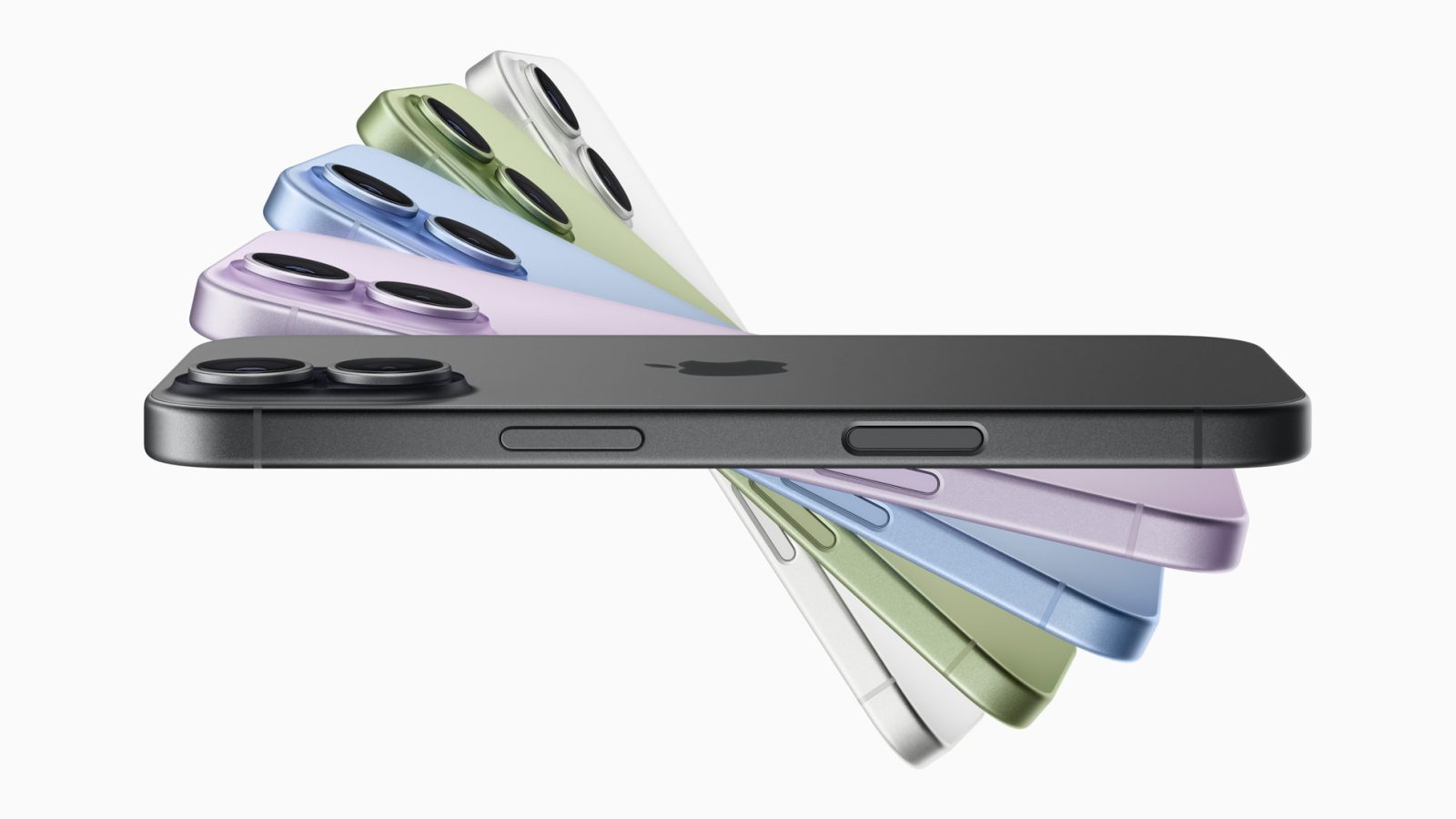
The decision to democratize ProMotion signals Apple’s recognition that high-refresh displays are no longer a luxury, but a necessity for modern smartphones.
Equally impactful is the across-the-board jump in storage. Apple is raising the baseline capacity to 256GB for every iPhone 17 model, including the Air. This is a significant shift from previous years, when the non-Pro phones lagged behind with smaller starting storage. For everyday users, this means more breathing room for photos, apps, and videos without immediately worrying about space management or constant reliance on cloud storage. In many ways, the new baseline finally acknowledges how quickly digital content fills up phones in 2025.
What makes this generation particularly interesting is how much value is now concentrated in the standard iPhone 17. Despite the upgrades, it retains the same price tag as last year’s iPhone 16. That means buyers get double the storage, ProMotion with Always-On display (a first for non-Pro models), a beefed-up A19 chip, and improved cameras, all without crossing into the $1,000-plus territory of the Pro series. The 6.3-inch display mirrors the smaller Pro model’s size, but the standard edition now feels much less compromised, especially with its 48MP Dual Fusion Camera and upgraded 18MP selfie shooter with Center Stage.
For Apple, this strategy helps smooth the traditional gap between tiers. But for consumers, it could change upgrade patterns. Many users have expressed frustration over diminishing returns in performance improvements and the hassles of device migration. The A19 chip may be faster, but the truth is that even chips from three years ago remain more than capable for most tasks. This year’s appeal lies less in raw power and more in quality-of-life upgrades: smoother displays, bigger storage, and features like Always-On that make the phone feel more modern and future-proof.
Pre-orders for the iPhone 17 family begin September 12, with deliveries starting September 19. For those debating whether it’s time to retire their aging devices, the blend of display, storage, and practical enhancements might finally tip the balance. And for anyone wary of paying Pro prices, the base iPhone 17 looks set to become the sleeper hit of the lineup.
3 comments
same here bro, the upgrade from 11 to 16 felt meh, the chips are already fast enough so you dont really feel the new one tbh
pro motion on all models should have happened years ago, took em long enough lol
i went from iphone 11 to 16 and ngl it was a pain, barely noticed speed diff, just lots of hassle moving accounts 😒