Is Apple simply stumbling into technical missteps, or is it carefully orchestrating an upgrade cycle that nudges – or outright pushes – users into buying a new iPhone every single year? That’s the debate swirling yet again as the iPhone 17 makes its debut, complete with a vapor cooling chamber that Apple insists is a leap forward. Critics, however, see a familiar pattern: create circumstances where last year’s model suddenly feels outdated, if not downright broken, so consumers feel compelled to spend again.
Over the past several years, Apple’s cadence has been remarkably predictable. 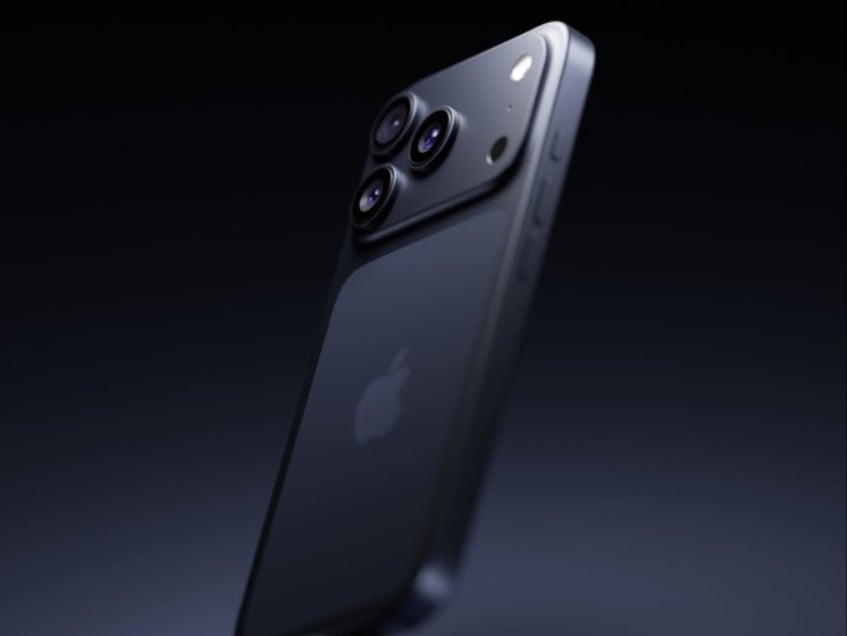
The iPhone 15 was a solid device, yet it was quickly branded obsolete the moment Apple unveiled Apple Intelligence – its headline AI suite – and then insisted that only the iPhone 15 Pro and higher-end variants had the hardware required to run it. The story unraveled when hobbyists demonstrated that even non-Pro models could handle the software with relative ease once jailbroken. Whether this was deliberate gatekeeping or corporate incompetence, the outcome was the same: consumers who wanted the full experience had to buy a more expensive device.
The iPhone 15 to iPhone 16 shift
The move from the iPhone 15 to the iPhone 16 exemplified Apple’s strategy of engineering obsolescence. By withholding key features, the company set up a situation where even people who had purchased a flagship device less than a year earlier suddenly found themselves behind the curve. Apple Intelligence became a status symbol feature, and if you owned an iPhone 15 or iPhone 15 Plus, you were excluded unless you shelled out for an upgrade. This exclusionary cycle turned innovation into a paywall, training users to expect their devices to wither prematurely.
Of course, critics will note that Apple’s AI rollout wasn’t exactly flawless. Many users have described Apple Intelligence as half-baked and confusing rather than revolutionary. The irony here is that while the software itself might not have been worth an upgrade on its own, the artificial limitations imposed on older hardware created the impression of necessity.
The arrival of the iPhone 17
Fast-forward to today, and Apple has once again delivered a mix of genuinely useful improvements and features that look suspiciously like engineered obsolescence. The iPhone 17 brings better RAM configurations, ProMotion displays finally across the entire lineup, and the headline-grabbing vapor cooling chamber in the iPhone 17 Pro. For anyone who’s wrestled with overheating iPhones in recent years – particularly when running demanding apps or games – this sounds like a godsend. But the timing and context matter. The company is introducing this hardware fix at the exact moment when its new iOS 26 software and its flashy Liquid Glass visual overhaul are creating fresh overheating problems on existing devices.
Liquid Glass, which was supposed to be the next big leap in iPhone aesthetics, has instead turned into a battery-draining, performance-crushing disaster for older models. Users of the iPhone 13 and earlier have reported severe overheating and UI stutters. Even the iPhone 16, which seemed well-equipped at launch, now appears poised to struggle as the iPhone 17 establishes a higher bar with its improved thermals and more capable internals. In other words, Apple creates the problem and sells you the cure a year later.
A cycle of frustration for loyal customers
Apple fans are used to dealing with the occasional buggy software release, but the pattern has grown hard to ignore. Glitchy updates, weak AI offerings, controversial design changes, and now Liquid Glass throttling performance have made owning an iPhone feel like an exercise in patience. Yes, the iPhone 17 Pro Max with its vapor chamber promises to run cooler and handle intensive tasks without cooking itself. Yes, it’s a relief that Apple is finally dumping 60 Hz displays in favor of smoother refresh rates across the lineup. But those bright spots don’t erase the sense that every new upgrade comes bundled with a hidden penalty for anyone who dares to stick with an older device.
Apple’s defenders argue that hardware naturally ages and that innovation cannot stand still. And while that’s true, the issue isn’t that devices become outdated over time – it’s that Apple seems to deliberately accelerate the process. Few companies are as skilled at turning customer frustration into record-breaking sales. Planned obsolescence isn’t a new accusation for Apple, but each cycle makes it harder to dismiss. The overheating tied to Liquid Glass feels less like an accident and more like a strategy that funnels users toward the shiny new iPhone 17 Pro.
The bigger picture
All of this raises questions about consumer trust and sustainability. Apple markets itself as environmentally conscious, yet its yearly upgrade treadmill encourages massive consumption and waste. Devices that could remain perfectly functional for years are subtly nudged into irrelevance. And for users, the psychological effect is clear: if you want to stay in Apple’s ecosystem and enjoy the “full” experience, you’re expected to keep your wallet open. What used to be seen as premium longevity – iPhones lasting multiple years with strong resale value – now feels like an illusion undermined by software-induced decay.
The iPhone 17, with its vapor chamber cooling, may indeed solve some genuine problems. But at the same time, it illustrates Apple’s uncanny ability to turn technical shortcomings into selling points. If your iPhone 16 starts running hot and lagging on iOS 26, there’s an easy solution – but it’ll cost you upwards of a thousand dollars. Planned incompetence or masterful marketing? Either way, Apple keeps winning, while users keep upgrading.
One thing is certain: in Cupertino, nothing is ever entirely accidental. Whether you call it incompetence or genius, Apple has perfected the art of making its customers feel just uncomfortable enough to justify that next purchase.
2 comments
bro just wait 2 years n buy used, problem solved 😂
finally 120hz everywhere took them long enough