Is Apple Fitness+ living on borrowed time or simply entering its next phase? The latest buzz, sparked by Apple watcher Mark Gurman, suggests the latter. While Fitness+ may not be the blockbuster revenue driver that Apple Music or iCloud are, insiders say the fitness service is far from a dead end. 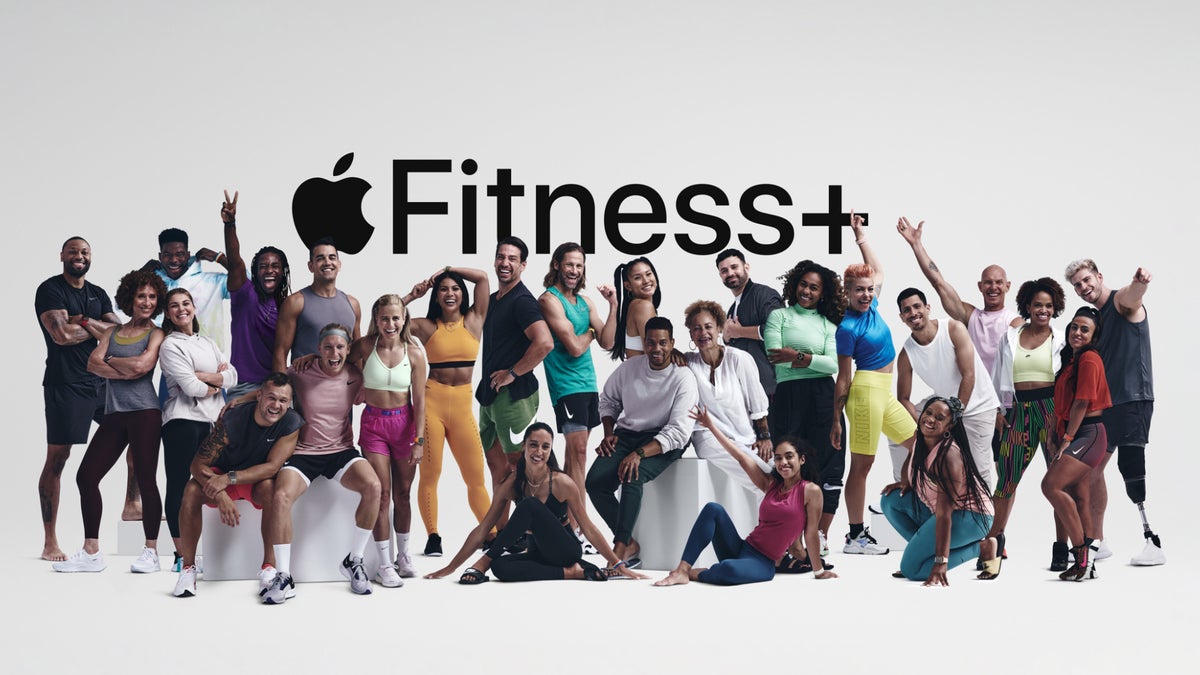
In fact, it sits in a delicate but strategic spot: important for Apple’s long-term health ambitions, yet under clear pressure to prove its worth.
Why a shutdown is unlikely
For a company that positions the Apple Watch and the Health app as anchors of personal wellbeing, abruptly shuttering Fitness+ would undermine years of brand-building around health. Killing the service would not only upset paying subscribers; it would also send a message that Apple is retreating from a category it helped popularize. The cost in publicity, trust, and ecosystem momentum could outweigh the savings from trimming a non-core profit line. Put bluntly: the optics would be worse than the balance-sheet bump.
There’s also an ecosystem effect to consider. Fitness+ reinforces hardware sales (especially Apple Watch), strengthens Services retention, and keeps users engaged daily. Even if it isn’t a cash cow on its own, it supports Apple’s broader strategy of sticky, subscription-driven experiences.
New oversight, new expectations
Here’s where things get interesting. Sumbul Desai, Apple’s Head of Health, is taking Fitness+ under her wing and will report into Eddy Cue, who oversees Apple’s Services empire. That org chart shift is a signal. When a product moves closer to the Services engine room, it usually means tighter accountability, clearer metrics, and a push for faster iteration. Expect tougher questions about engagement, conversion, churn, and – crucially – how Fitness+ can showcase Apple’s unique strengths across devices and software.
In practical terms, that can manifest in two complementary ways. First, marketing: positioning Fitness+ more sharply so the value is unmistakable to casual users who have never tried a guided workout. Second, product: evolving the service in ways that make it feel indispensable rather than optional.
What meaningful improvement could look like
The low-hanging fruit is breadth. Some users adore Fitness+ for its upbeat coaching and polished studio sessions; others bounce off the vibe. Apple can address this with more variety in coaching styles, pacing, and soundtrack choices, plus clearer on-ramps for absolute beginners and deeper progressions for intermediate athletes. Think multi-week programs that layer skills, not just standalone classes.
Next is personalization. Apple already owns the wrist with Apple Watch; deeper integration could make every session feel tailored. Smarter recommendations based on recovery trends, heart-rate zones, or consistency streaks would turn abstract metrics into concrete guidance. Weekly plans that adapt to missed days, gentle “return” flows after illness, or goal-based tracks – 5K prep, mobility month, core stability – would serve different motivations without overwhelming users.
Community and accountability are another lever. Lightweight challenges with friends, meaningful badges tied to health milestones (not just streak length), and respectful social features could boost retention. Internationalization – more languages, localized coaches, culturally relevant playlists – would expand Fitness+ beyond its current core.
The pricing calculus
Fitness+ currently sits at about $10 per month in many regions. Gurman’s read is that the service isn’t delivering eye-popping financial gains. If Apple succeeds in making it more valuable, a price hike is plausible. That said, Apple would need to walk a tightrope: any increase must be justified by unmistakable upgrades – richer programs, smarter guidance, or expanded content that genuinely changes outcomes. Otherwise, the risk is simple: higher price, lower goodwill.
Bundling will remain an ace card. Keeping Fitness+ compelling inside wider subscriptions helps absorb perceived cost increases and reduces churn. If Apple leans into bundles while dialing up the product’s usefulness, most subscribers will see more value than pain.
So, should you prepare for a cancellation?
No. All signs point to refinement, not retirement. The more realistic scenario is a year of steady evolution: broader programming, smarter personalization, and stronger ties to Apple’s health stack. If the service lands those upgrades, a modest price adjustment may follow – but only with a clear story about what’s better and why it matters.
For users, the takeaway is simple: enjoy Fitness+ as it improves. If prices move, reassess based on the new feature set. For Apple, the mission is even simpler to state – though harder to execute: make Fitness+ so helpful that it feels like a natural extension of the devices people already love, not just another subscription in the drawer.
1 comment
ngl i actually like the current coaches, just want more chill vibes sometimes lol