After years of dismissing the idea as impractical, Apple has finally decided to make a touchscreen MacBook – a move that marks a major philosophical shift for the tech giant. This surprising pivot comes after decades of the company resisting an idea that competitors embraced long ago. 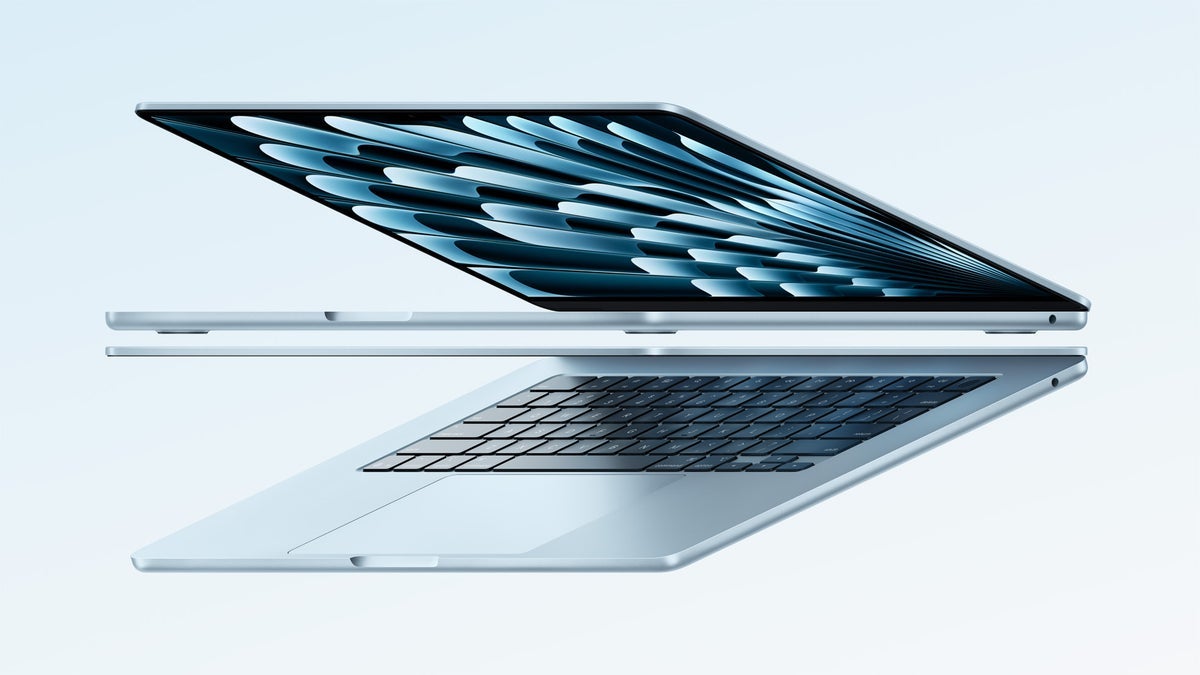
But as history shows, Apple’s resistance to change often gives way to reinvention when the market forces its hand.
Tech journalist Mark Gurman, in his Power On newsletter, recently highlighted that Apple’s new direction is part of a recurring pattern: mocking certain technologies before ultimately adopting them. The list of past reversals is long and ironic. Steve Jobs famously ridiculed styluses, insisting that fingers were all anyone needed, yet Apple now sells the Apple Pencil as a key iPad accessory. Likewise, the company initially dismissed music streaming, only to later build Apple Music into one of its most profitable services. Even virtual reality headsets and RCS messaging – both of which Apple once ignored – have since found their way into Cupertino’s ecosystem plans.
The touchscreen MacBook joins that club of ‘ideas Apple once laughed at.’ Both Jobs and Tim Cook called it inefficient and gimmicky, arguing that users wouldn’t want to reach across the keyboard to touch the screen. But consumer habits and competition have changed. Touch interfaces have become so intuitive that for many people, they’re now second nature. Windows laptops, Chromebooks, and hybrid tablets have blurred the line between touchscreen devices and traditional computers. Apple, long the holdout, has realized it can’t ignore that trend forever.
So why now? Gurman suggests that declining iPad sales may have forced Apple’s hand. For years, the iPad was marketed as a halfway point between a phone and a computer. But with iPad sales plateauing and MacBooks using the same Apple Silicon chips, the line between both platforms has already blurred. The introduction of iPadOS 26 made the iPad feel even more Mac-like, supporting trackpads, multitasking windows, and advanced desktop-grade features. The transition toward a touchscreen MacBook seems less like a revolution and more like the next logical step in this convergence.
In many ways, this move is Apple admitting that user behavior – not corporate ideology – dictates the future. People want flexibility. They want to swipe, tap, and type interchangeably. Ignoring that reality risked making the Mac feel outdated. Apple’s decision to move forward shows that the company has learned from past missteps: sometimes, the best way to innovate is to embrace what users already expect.
Whether this upcoming model debuts alongside the M5 chip or after, it’s clear the era of the non-touch MacBook is nearing its end. Apple loyalists who once accepted that ‘Macs don’t do touch’ will soon be part of a new chapter where the line between iPad and Mac finally disappears. It’s about time.
1 comment
Guess my M2 MacBook just got outdated overnight..