Apple’s App Store has once again landed in the middle of an antitrust storm – this time in China, a market where regulatory processes can be both slow-moving and unpredictable. A coalition of 55 Chinese consumers has officially lodged a complaint with the State Administration for Market Regulation (SAMR), alleging that Apple’s App Store practices amount to monopolistic behavior in the Chinese market. 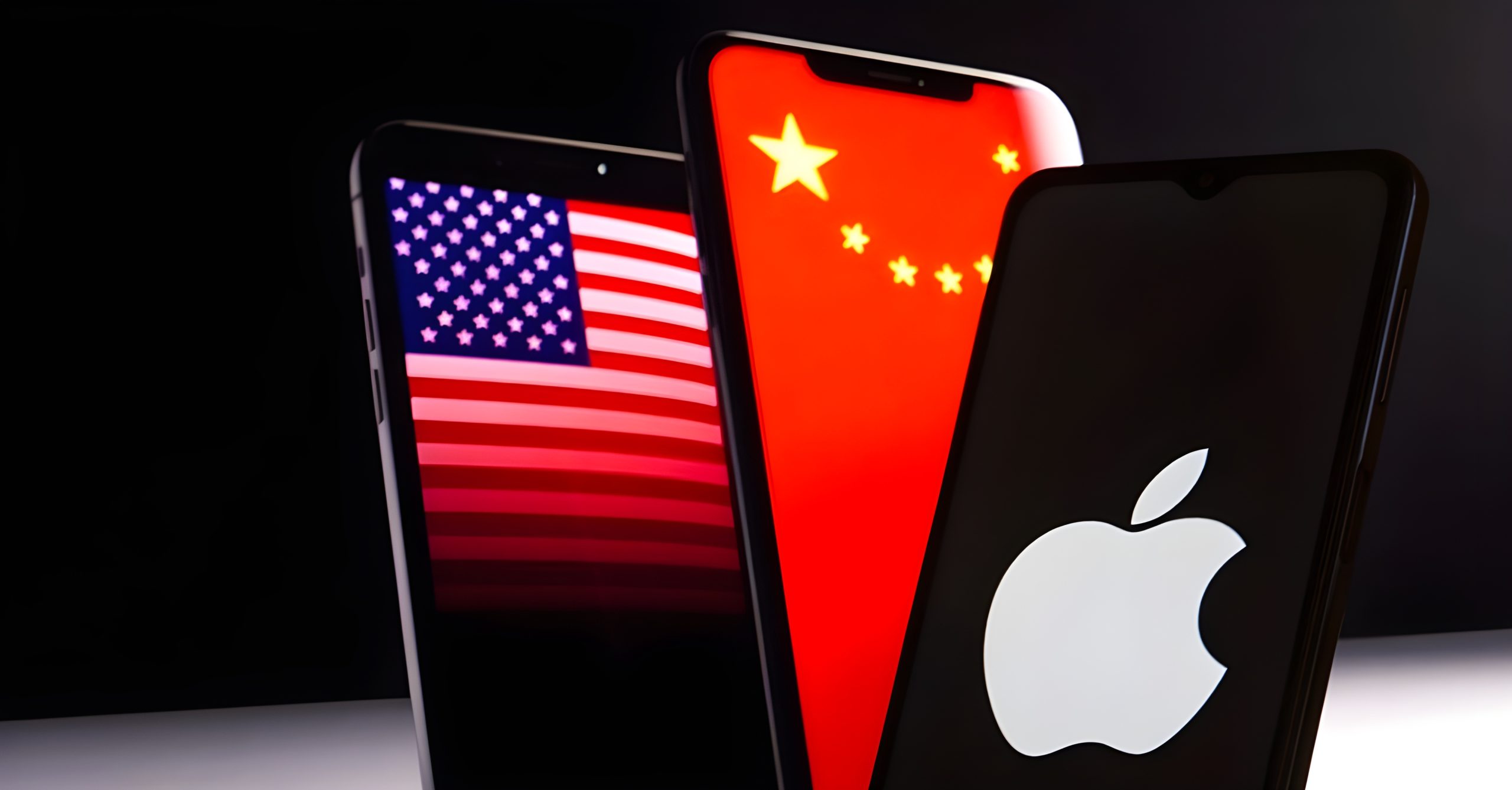
According to the complaint, Apple unfairly restricts app distribution on iOS devices and enforces its own payment system, effectively blocking competition and innovation.
The group’s accusations focus on three key issues. First, Apple allegedly forces users in China to buy digital goods and services only through its proprietary in-app payment platform, excluding other payment options widely used in China such as WeChat Pay or Alipay. Second, Apple’s commission – ranging up to 30% – is deemed excessive and unfair. Third, Chinese iPhone users are limited to the official App Store for downloading apps, while users in regions like the European Union and the United States have more flexibility under recent legal rulings.
Interestingly, this isn’t Apple’s first encounter with Chinese legal challenges. A similar lawsuit was dismissed by a Shanghai court in 2021, but global shifts in regulatory attitudes have since emboldened new challenges. In Europe, for example, the Digital Markets Act (DMA) has forced Apple to open its ecosystem, allowing third-party app stores and alternative payment methods. Meanwhile, in the United States, Apple has been locked in a high-profile legal battle with Epic Games, where the court ruled that Apple must allow developers to inform users about external payment methods and restore Fortnite to the App Store. Despite compliance, Apple continues to charge commissions on those external transactions – a move that has already triggered judicial warnings of possible contempt charges.
Legal experts suggest that these international precedents could influence the Chinese regulator’s approach. Epic Games, for instance, has already petitioned Australian courts for permission to sideload apps without paying Apple’s commission. As legal pressure builds across multiple jurisdictions, Apple finds itself under increasing scrutiny worldwide. The company’s strict control over its ecosystem – once hailed as a pillar of its quality and security – has now become its biggest legal liability.
With geopolitical friction between the United States and China intensifying, analysts warn that Beijing might seize this opportunity to assert regulatory control over an American tech giant. If SAMR decides to pursue the case aggressively, Apple could face not just a hefty fine but also a potential order to open its App Store ecosystem in China, mirroring the reforms seen in the EU. The result could mark a major turning point in how global tech monopolies are policed in the world’s largest smartphone market.
1 comment
Wonder if this will make apps cheaper for us 🤔