Apple is preparing to launch the iPhone 17 lineup this September, and one of the biggest behind-the-scenes changes isn’t just about the design or features – it’s about how the company is managing its supply chain. Rising costs, especially in memory components like DRAM and NAND, combined with looming tariffs, have put Apple in a tight spot. 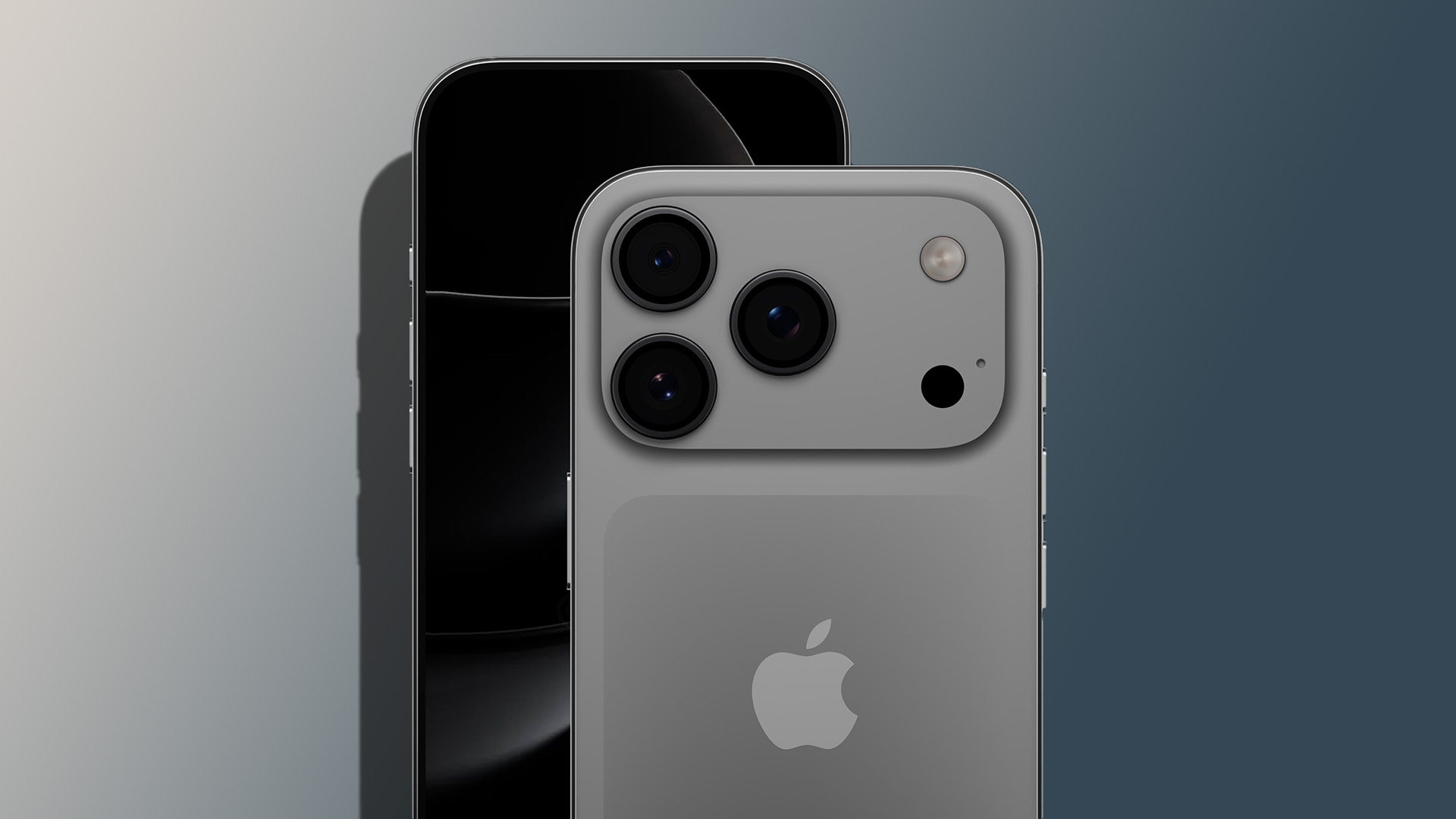
To offset these pressures, Apple has expanded its memory suppliers to five different companies, a move designed to bring more competition and flexibility to its procurement strategy.
Industry analysts have long speculated that the iPhone 17 series would come with a significant price hike, potentially up to $200 more compared to the iPhone 16 models. This increase stems not only from higher production costs but also from geopolitical pressures such as former President Trump’s tariffs, which Apple can’t sidestep. Memory components in particular have seen price increases that threaten Apple’s already thin margins on hardware. By adding more suppliers, the company can negotiate better deals and ensure a steady flow of parts.
According to a detailed breakdown shared by Citi analysts and circulated on X by @Jukanlosreve, Apple’s supplier list for the iPhone 17’s memory components is now more diversified than ever. Samsung and SK hynix remain the two most prominent names in the DRAM and NAND market. Samsung is reported to control roughly 37 percent of Apple’s DRAM and NAND orders, while SK hynix follows closely with about 33 percent. Micron has carved out a 30 percent share, making the trio dominant in the DRAM sector.
For NAND flash memory specifically, Apple has widened the field by including SanDisk and Kioxia. Kioxia appears to have emerged as a major beneficiary of this strategy, securing around 35 percent of Apple’s NAND orders. SK hynix comes in second at 30 percent, with the remainder split among Samsung and SanDisk. This diversification doesn’t just guard against shortages – it also gives Apple more leverage in price negotiations.
One interesting element is the growing prominence of SK hynix. Industry watchers note that the company has been gaining ground on its domestic rival Samsung, offering highly competitive pricing and reliable production capacity. This has made SK hynix an increasingly vital partner for Apple, with a strong position across both DRAM and NAND allocations. Samsung, however, still plays a critical role beyond memory chips. It remains one of Apple’s most essential partners thanks to its massive supply of LTPO OLED panels, which are expected to power the iPhone 17 Pro and Pro Max models.
Ultimately, while Apple’s multi-supplier strategy cannot completely shield customers from price increases, it is a clear sign of how seriously the company takes cost control at scale. By balancing orders among five different manufacturers, Apple reduces its dependence on any single supplier, strengthens its bargaining power, and potentially trims its Bill of Materials. The final pricing for the iPhone 17 lineup will be announced during Apple’s highly anticipated “Awe Inspiring” keynote event on September 9, where the company is expected to justify how it is navigating economic pressures while still delivering premium devices.
2 comments
kioxia coming out of nowhere big W
at least they’re not locked into just samsung anymore