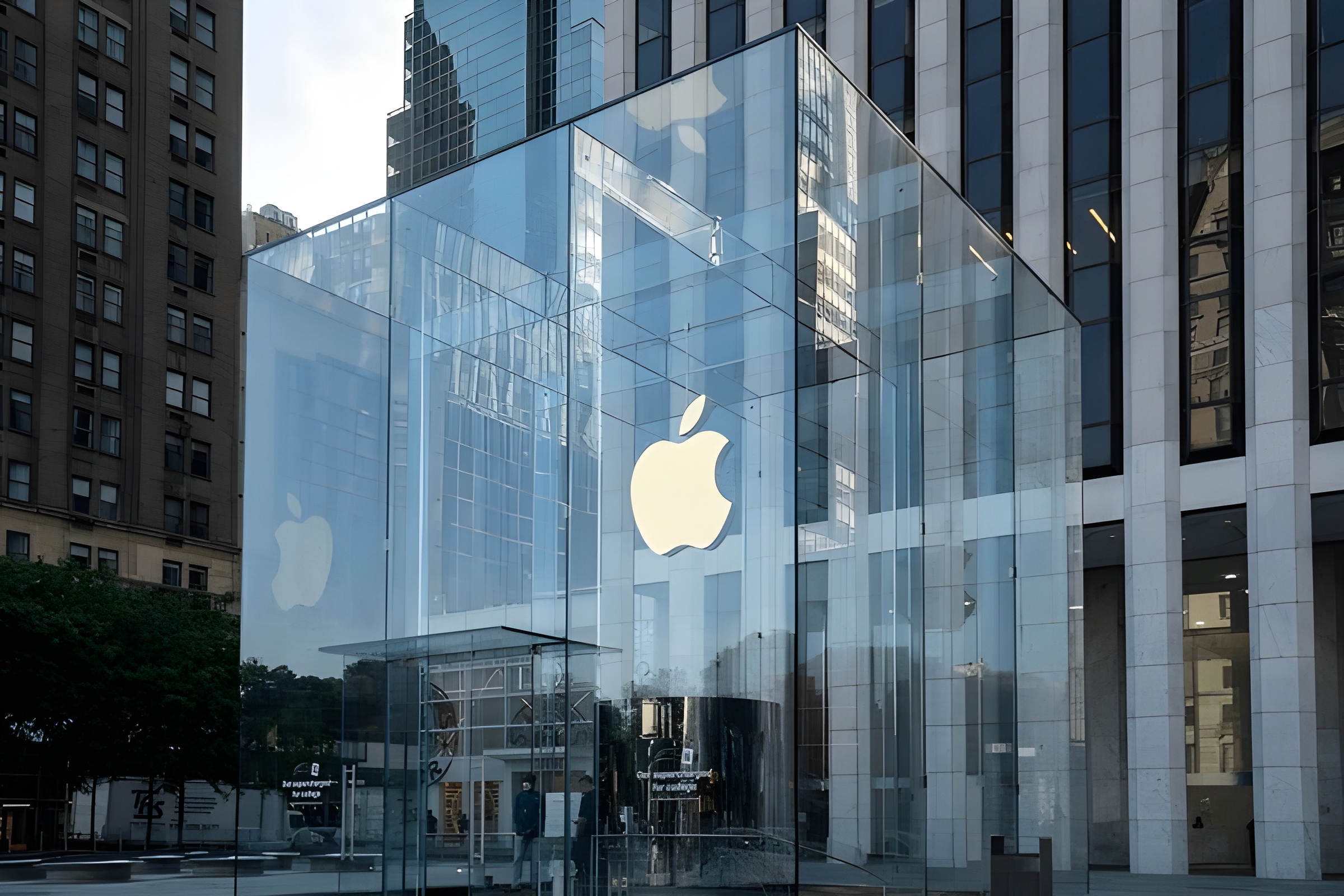
Apple’s 72-Hour Executive Exodus: AI, Design and the Battle for Talent
Apple has been through plenty of high-profile departures over the years, but the past three days look different. Four senior leaders spanning artificial intelligence, design, legal and environmental policy have either walked away or announced firm plans to leave. In the middle of an aggressive AI arms race, the timing has turned a normal reshuffle into a full-blown debate over whether Apple is quietly rewiring its leadership team for a new era, or simply losing the talent war to its biggest rivals.
A sudden cluster of exits
The sequence started with John Giannandrea, the company’s longtime AI chief and one of the most influential voices behind Apple’s machine-learning push. His role is now set to be taken over by Amar Subramanya, an AI veteran coming in from Microsoft. On paper, that swap alone would be a headline, one tech giant effectively handing part of its AI brain trust to another. Inside Apple, it signals that the company wants someone who can move faster and ship visible AI features, not just build elegant systems deep in the stack.
Design was next on the chopping block. Alan Dye, who has been central to Apple’s user interface decisions since the mid-2010s, is leaving for Meta. If you have used an iPhone X, flicked around watchOS, or played with the pill-shaped Dynamic Island on recent iPhones, you have lived with Dye’s work. He also helped shape the glossy Liquid Glass look in modern iOS and the Vision Pro spatial interface that lets apps float in front of your living room. Losing him to a direct rival that is pouring billions into mixed reality is not just a symbolic blow, it is a transfer of institutional memory about how Apple thinks users should touch, swipe and glance at their devices.
Legal and green pillars in motion
The story does not stop with product and design. Apple has confirmed that its general counsel, Kat Adams, and its long-time environmental and policy chief, Lisa Jackson, are on their way out as well. Jackson, the public face of Apple’s green agenda and social initiatives, is expected to depart in January 2026. Adams will temporarily absorb her responsibilities before handing the general counsel role to Jennifer Newstead in March 2026 and then leaving herself later that year. On a spreadsheet, these are carefully staged transitions, but in the headlines they stack up as part of the same wave.
Moves in these quieter parts of the org chart matter. The general counsel sets the tone for how aggressively Apple fights regulators, antitrust cases and privacy rules. The environment and social initiatives team shapes everything from supply chain emissions to the recycled materials in an iPhone Air. Changing the people at the top of those teams at the same time that Apple is promising deeper AI integration into its products is a reminder that the next few years will not just be about smarter software but about how that software is governed.
OpenAI, Jony Ive and the hardware talent war
At the same time, Apple’s legendary hardware and interface teams are being quietly drained by Jony Ive’s design outfit, now working closely with OpenAI on what many are already calling an iPhone killer. Industry reporting suggests around forty Apple engineers have jumped ship in just a few weeks, including manufacturing specialist Matt Theobald, human-interface lead Cyrus Daniel Irani and Abidur Chowdhury, a rising designer behind the ultra-light iPhone Air. Their departure underlines that the new status symbol in Silicon Valley is no longer shipping a sleek phone every September, but building the first AI-native device that makes smartphones feel old.
This is the backdrop against which the four high-profile Apple exits land. When you combine them with the steady trickle of engineers and designers heading to OpenAI, Meta and other AI-focused players, it starts to look less like random churn and more like a structural shift. The gravity that once pulled ambitious hardware talent toward Cupertino is now split between several competing poles.
Crisis or generational reset
Online, the reaction has been split. Some see the list of names and immediately predict doom, arguing that you cannot rip out this much experience without hollowing out the magic that made Apple feel different. Others take a darker, more cynical view, saying this is what happens when a company moves too slowly on AI and lets competitors define the story. One commenter joked that the Steins and Baums, shorthand for the next wave of hungry, metrics-driven managers, are already queued at the door, so the old guard had to go sooner or later. In that reading, the departures are less a shock than a delayed house-cleaning.
The truth, as usual, is probably somewhere in the middle. Apple has always been a company that refreshes itself from within, promoting lieutenants who have spent years learning how products are made, not just how they are marketed. Every departure on this list creates an opening for a younger leader steeped in Apple’s culture but far more native to the world of generative AI, large language models and spatial computing. The risk is not that no one is left to drive, it is that the replacements may pull the wheel in slightly different directions, fragmenting what used to be a single, obsessive design philosophy.
What it means for Apple users
For users, nothing changes overnight. The iPhone you buy this year will still look and feel like an iPhone, the Vision Pro will keep evolving, and Apple’s privacy-centric take on AI will roll out in its usual controlled, incremental way. The real impact of this 72-hour exodus will be felt a few product cycles from now. If the new leadership bench can turn Apple’s vast hardware base into a genuinely smart, AI-rich ecosystem, instead of a collection of pretty screens with clever marketing, today’s churn will be remembered as the painful but necessary start of that shift. If they fail, people will look back at this week as the moment Apple ceded the future of personal computers to its former employees.
Right now, the only certainty is that the calm, slow-moving Apple of the past decade is gone. In its place is a company being forced to move at the speed of AI headlines and talent offers. Whether this is a crisis or a long-overdue generational reset depends on who ultimately fills the empty chairs and on whether the next great device is unveiled in Cupertino, or on a stage hosted by the companies currently raiding Apple’s top talent.
2 comments
Your article helped me a lot, is there any more related content? Thanks!
lol the Steins and Baums already lined up for those chairs, old guard had to bounce 😂