The long-anticipated arrival of Apple’s iPhone Air in China is not just another product launch – it’s a landmark moment for the country’s telecom ecosystem. 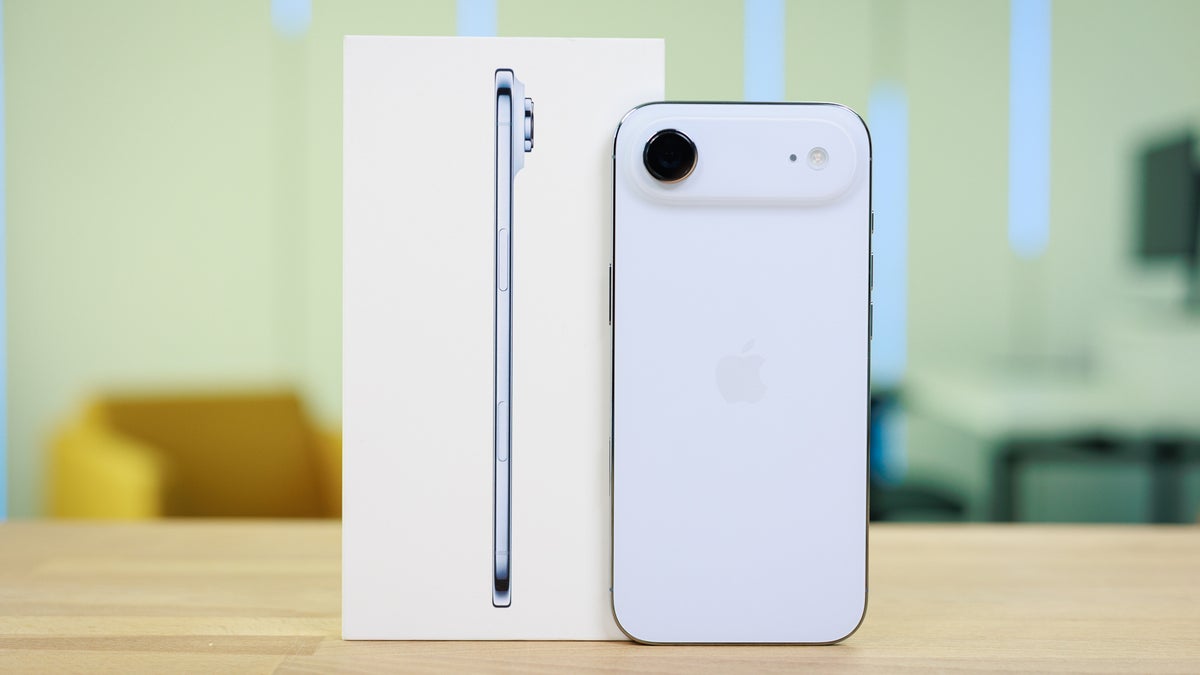
For years, China’s massive mobile market has thrived on dual-SIM convenience and traditional SIM card flexibility. But now, with the iPhone Air arriving as an eSIM-only device, Apple is setting the stage for a new era of digital connectivity that will test how ready Chinese consumers and carriers really are for the next big shift.
After months of speculation and a delay attributed to carrier readiness, Apple has confirmed that preorders for the iPhone Air in China will open on October 17, with in-store availability following on October 22. The holdup wasn’t about hardware – it was all about infrastructure. Bloomberg reports that Apple held back the launch until major Chinese carriers, including the telecommunications giant China Mobile, could properly implement eSIM support. Only recently did China Mobile receive final government approval to deploy eSIM services, clearing the way for this rollout.
Unlike other iPhone 17 models still shipping with physical SIM trays, the iPhone Air takes a bold leap: no SIM slot at all. This allowed Apple to reclaim valuable internal space for a larger battery, contributing to the phone’s impressively slim and lightweight design. But beneath the sleek surface lies a significant cultural and technical shift. Chinese users have long relied on dual-SIM setups – a convenience that allows them to manage work and personal lines or use local SIMs while traveling. With the Air, Apple is essentially telling users that the future is digital, and the days of swapping tiny bits of plastic are ending.
This move places enormous pressure on Chinese telecom providers to accelerate eSIM adoption, a process previously hampered by bureaucracy and regulatory caution. While Android competitors such as Huawei’s Pura 70 Pro and Xiaomi’s flagships have started experimenting with eSIM support, most domestic phones still depend on physical dual-SIM cards. By introducing a high-profile device that completely eliminates that option, Apple is using its global influence to push the entire ecosystem forward – ready or not.
For Apple, this is a calculated risk. China is not only one of its largest markets but also one of the most complex. The country’s tech regulations, combined with consumer habits shaped by years of flexibility, make the eSIM transition a potential minefield. Still, Apple’s confidence is rooted in its history of driving technological change, even when users initially resist. The removal of the headphone jack, the shift to Face ID, and the elimination of the home button all faced backlash – but ultimately became industry standards. The eSIM-only design is poised to follow that same trajectory.
Of course, not everyone is thrilled about the change. Many users have voiced frustration over losing the simple convenience of physically swapping SIM cards – especially frequent travelers who rely on local prepaid options abroad. The process of transferring numbers and profiles through digital menus and QR codes still feels less intuitive. Yet, as eSIM networks mature, the potential benefits – instant carrier switching, improved security, and better integration with global roaming plans – will likely outweigh the early friction.
Symbolically, this launch is Apple’s final declaration that the physical SIM era is drawing to a close. China, despite its unique telecom environment, will now join the rest of the world in adapting to this digital-first approach. It’s a major test for both Apple’s influence and China’s technological flexibility. And while some may grumble about the inconvenience, it’s hard to deny that this marks a decisive turning point in how we connect our devices. Whether consumers embrace it immediately or reluctantly, the iPhone Air’s eSIM-only design ensures one thing: there’s no going back.
In short, Apple isn’t just releasing another phone – it’s redefining how mobile connectivity operates in one of the most important markets on the planet. The iPhone Air’s launch will be studied not just as a business move, but as a technological inflection point, forcing carriers, regulators, and consumers to catch up with the future.