Apple’s surprising decision to exclude the discontinued M2 Vision Pro from its trade-in program has left many users frustrated and uncertain about the company’s long-term vision for spatial computing. Traditionally, Apple’s trade-in policy has acted as a cushion for its loyal customers, allowing them to recoup some of their investment while promoting sustainability. 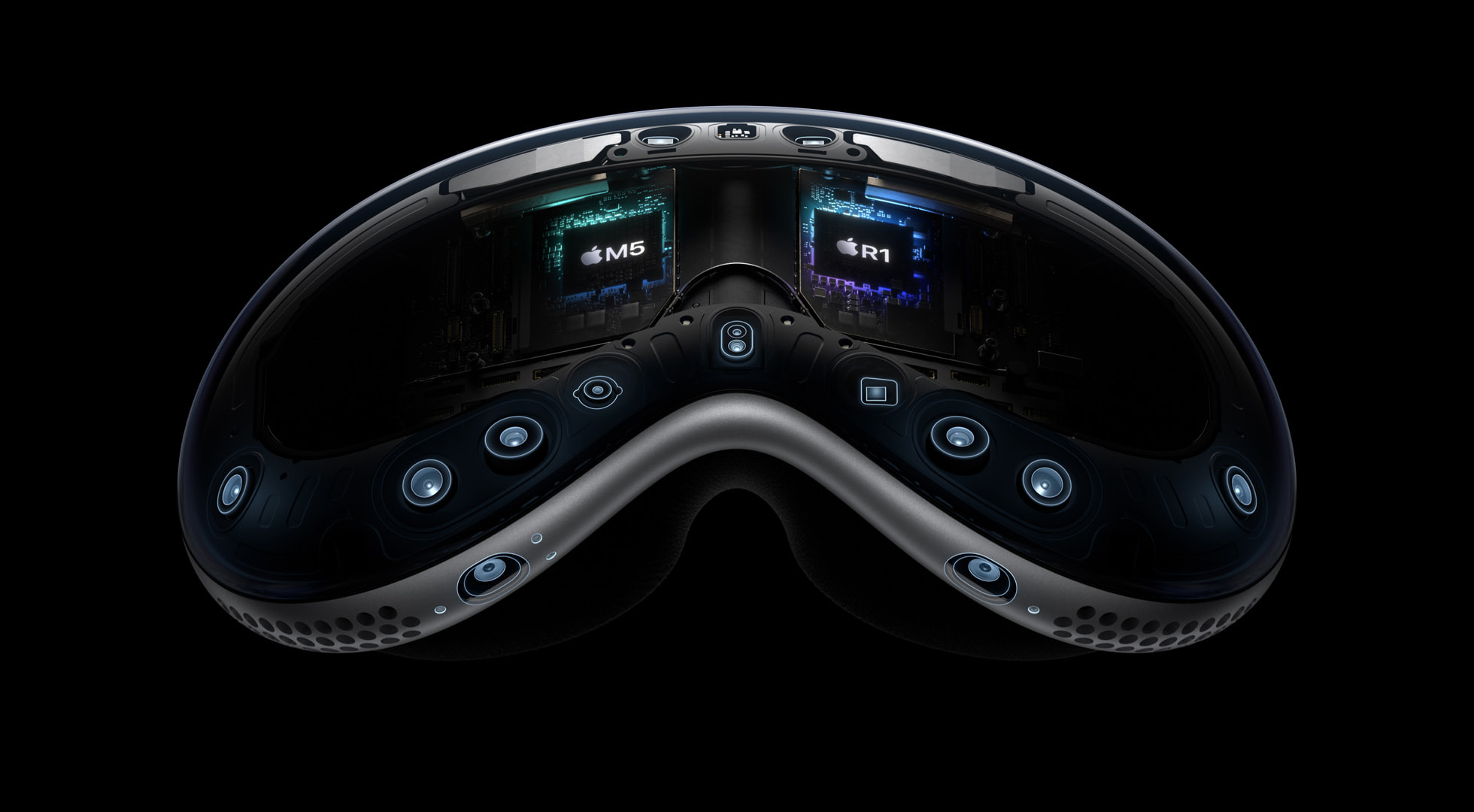
But this time, the tech giant seems to have stepped away from its own playbook, and that move is sparking debate about what it means for the future of the Vision Pro lineup.
The original M2 Vision Pro, launched as Apple’s most ambitious device yet, represented a bold leap into mixed and augmented reality. However, the fact that it’s now ineligible for trade-in signals that Apple may view it as an experimental, first-generation product rather than part of its mainstream upgrade ecosystem. The headset’s intricate structure – featuring custom-fit designs, ultra-high-resolution displays, and advanced sensors – likely makes refurbishing for resale both logistically complex and economically unviable. In other words, Apple might simply find it easier to push users toward buying the newer M5 Vision Pro instead of attempting to recycle the old one.
The timing is also strategic. With the arrival of the M5 Vision Pro, Apple has introduced significant performance improvements, driven by a next-generation chip that offers enhanced neural processing for AI tasks and better energy efficiency. The M5 chip’s Neural Accelerators are designed to perform on-device AI computations, suggesting Apple is preparing for a more intelligent, context-aware future across its ecosystem. In this light, discontinuing support for the M2 model could be a calculated move to avoid fragmentation and ensure software consistency going forward.
Yet, for those early adopters who paid the full $3,499 price tag, Apple’s stance feels like a betrayal. Many expected the Vision Pro to enjoy the same trade-in benefits as iPhones or MacBooks – an assumption that now feels naive. Without an official path to recoup any value, users are left to resell their headsets privately, an especially difficult task given the product’s limited niche audience and steep entry cost. The situation highlights an uncomfortable truth about cutting-edge tech: being first often means being left behind.
Apple’s decision also raises broader questions about its confidence in spatial computing. The Vision Pro was marketed as the dawn of a new computing era, yet excluding it from trade-in eligibility hints at hesitation. Is Apple still testing the waters before committing to a long-term roadmap? Or is it signaling that the Vision Pro, despite its innovation, will remain a luxury experiment rather than a mass-market staple?
In the end, the M2 Vision Pro might become a collector’s item – a reminder of Apple’s early steps into the immersive world it hopes to perfect. But for now, early adopters may feel like beta testers in an expensive experiment. The Vision Pro may represent Apple’s vision of the future, but its current policies make that future feel a little less inclusive.
3 comments
still love the tech tho, vision pro feels like magic even if it’s experimental
m5 chip sounds cool but i’m not trusting them again anytime soon
apple wants us to buy new headsets instead of giving back a bit, greedy af